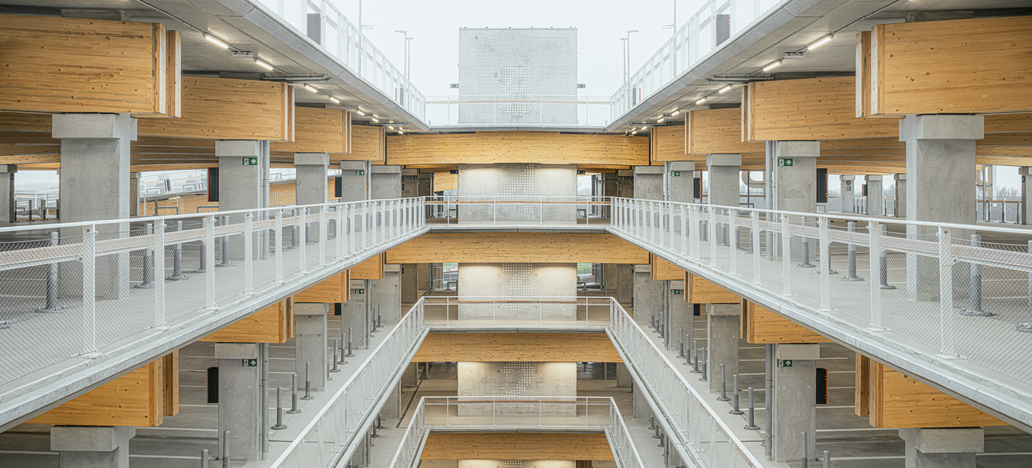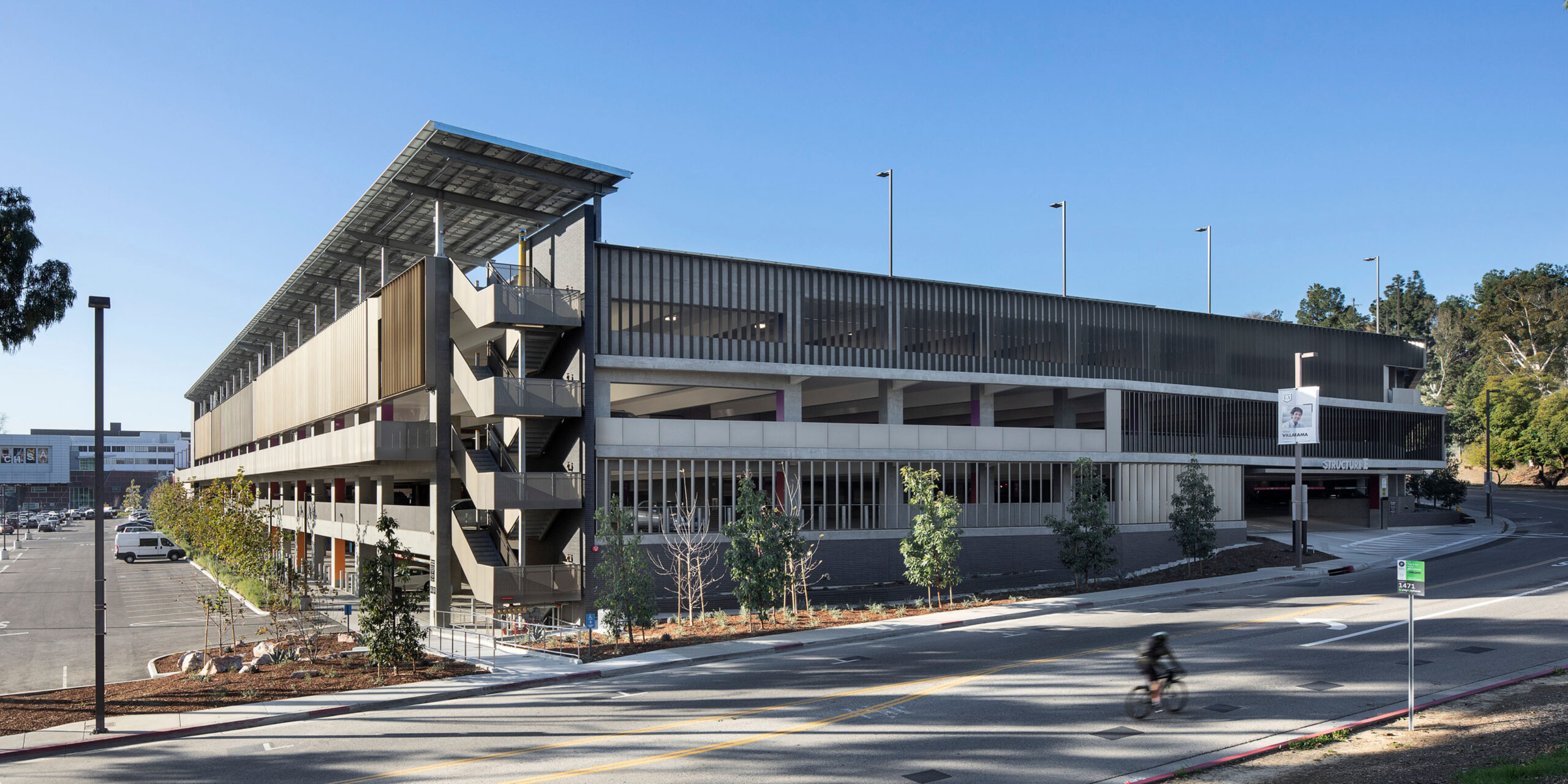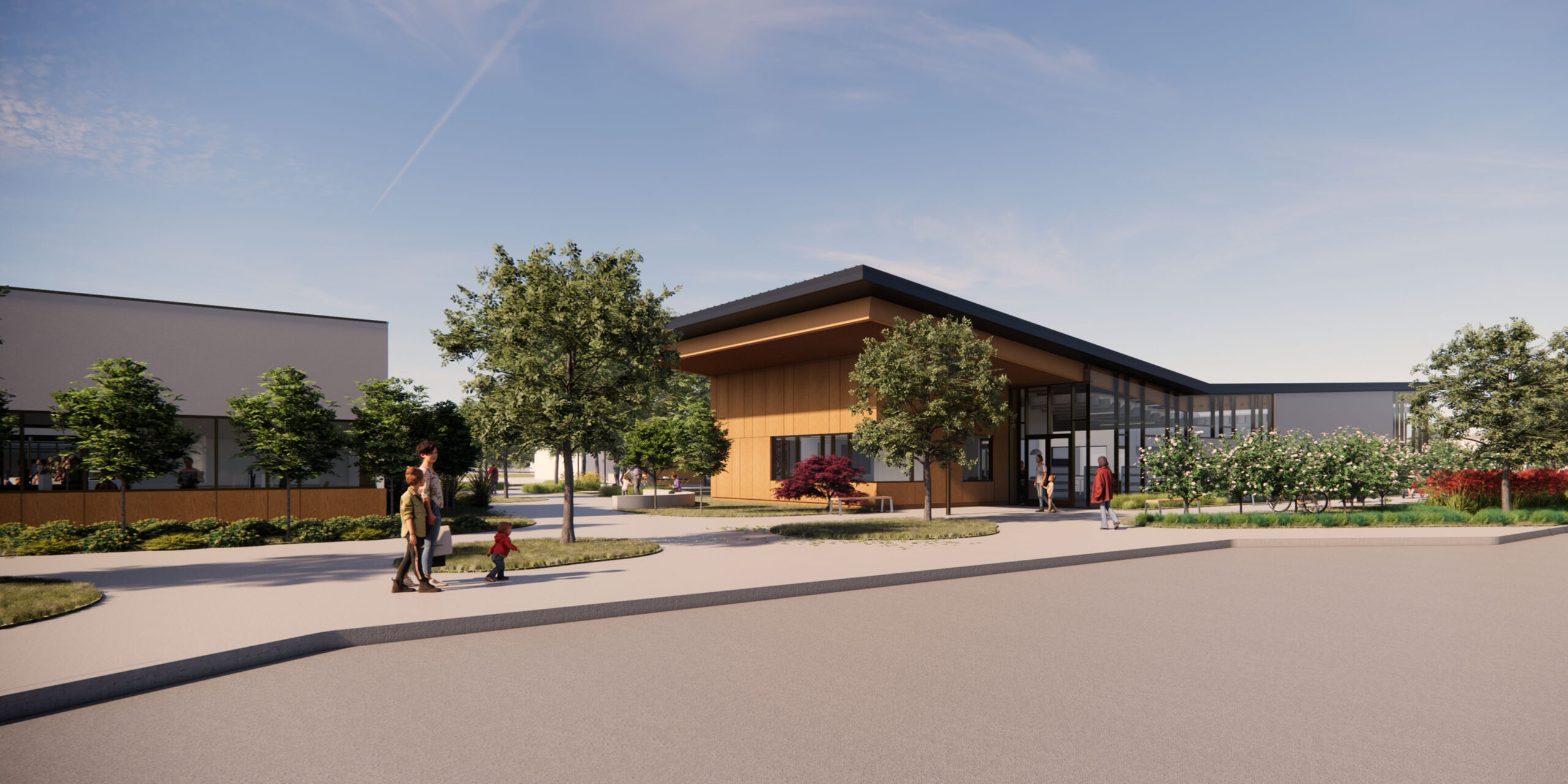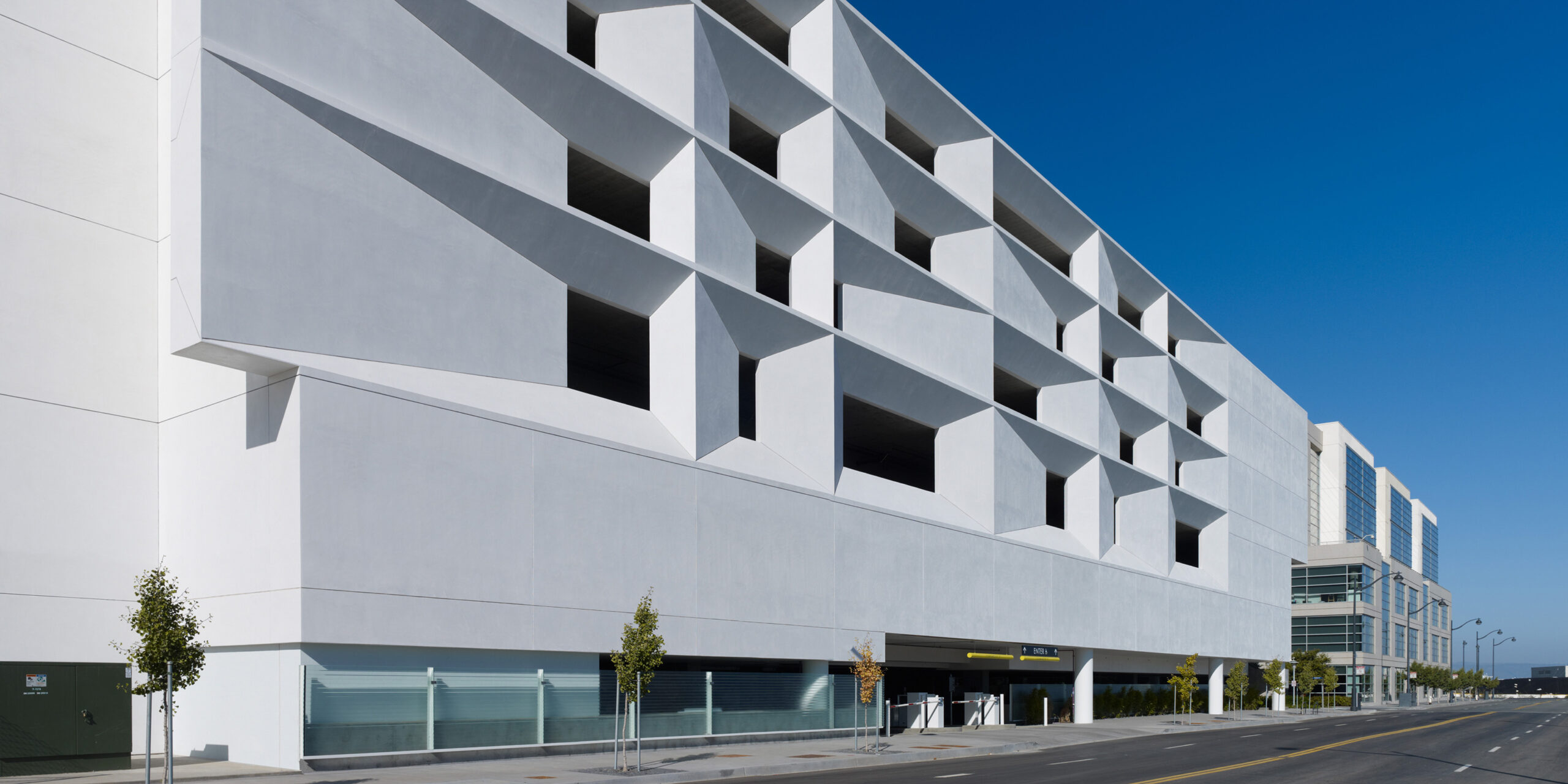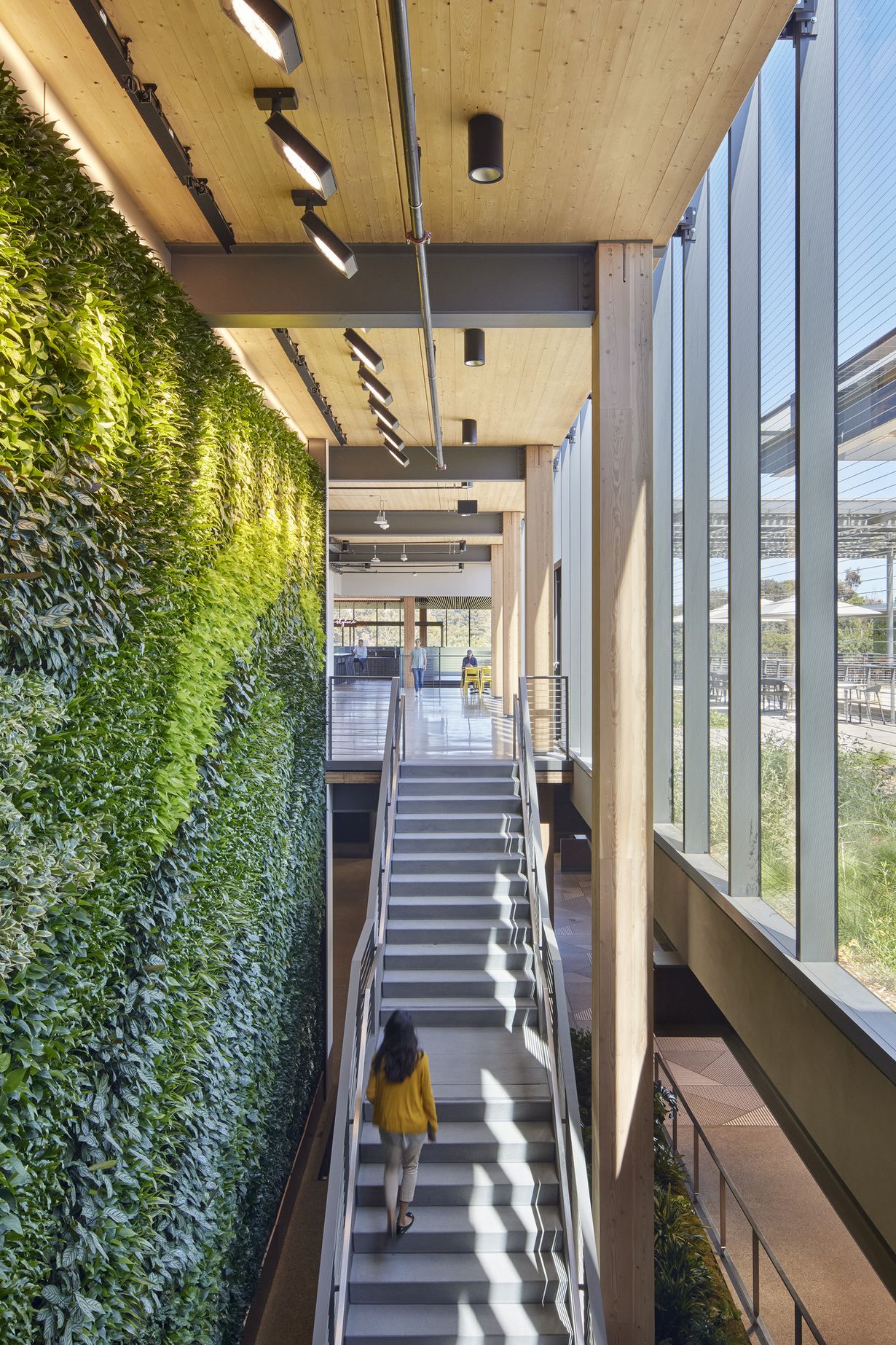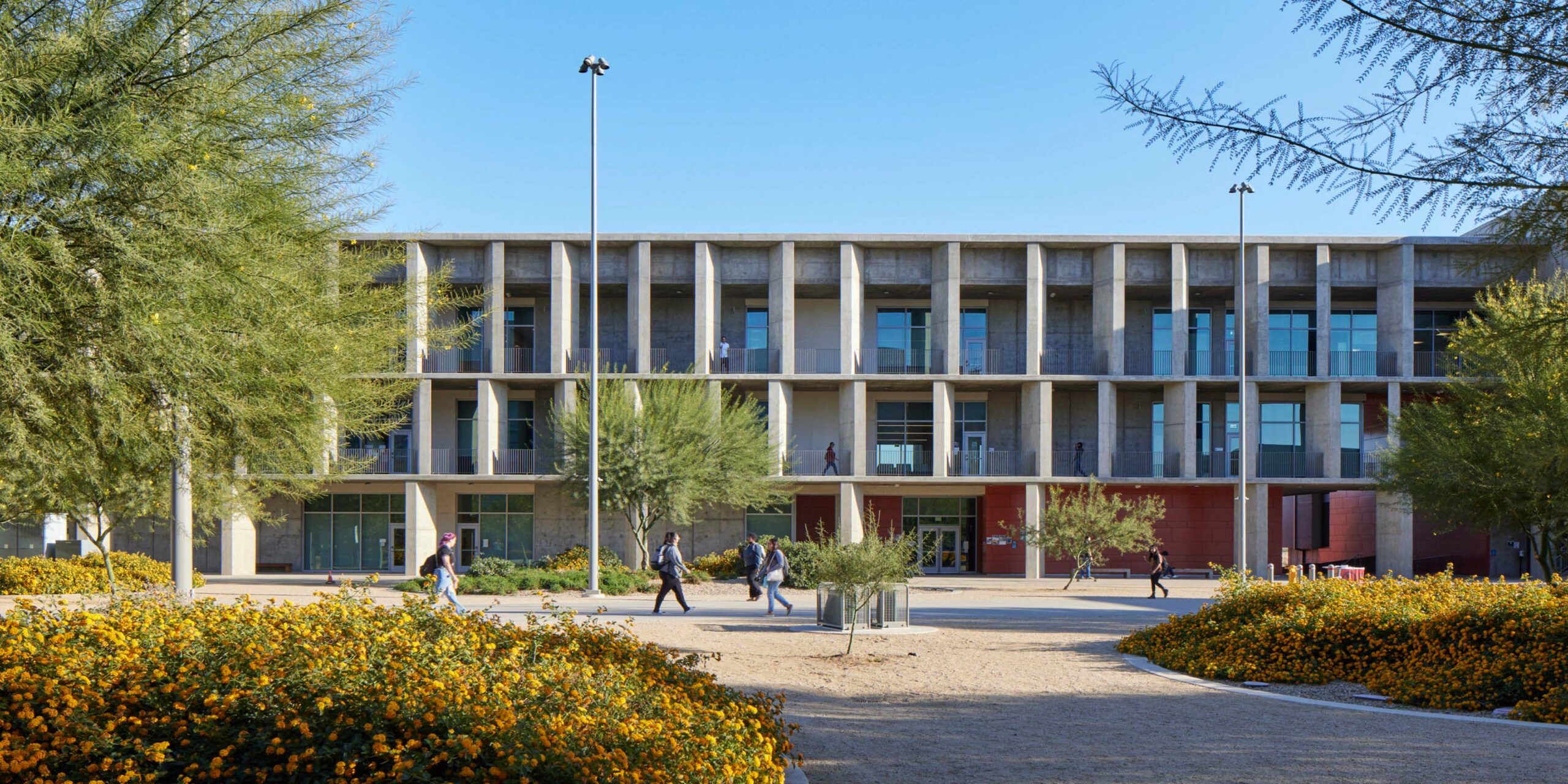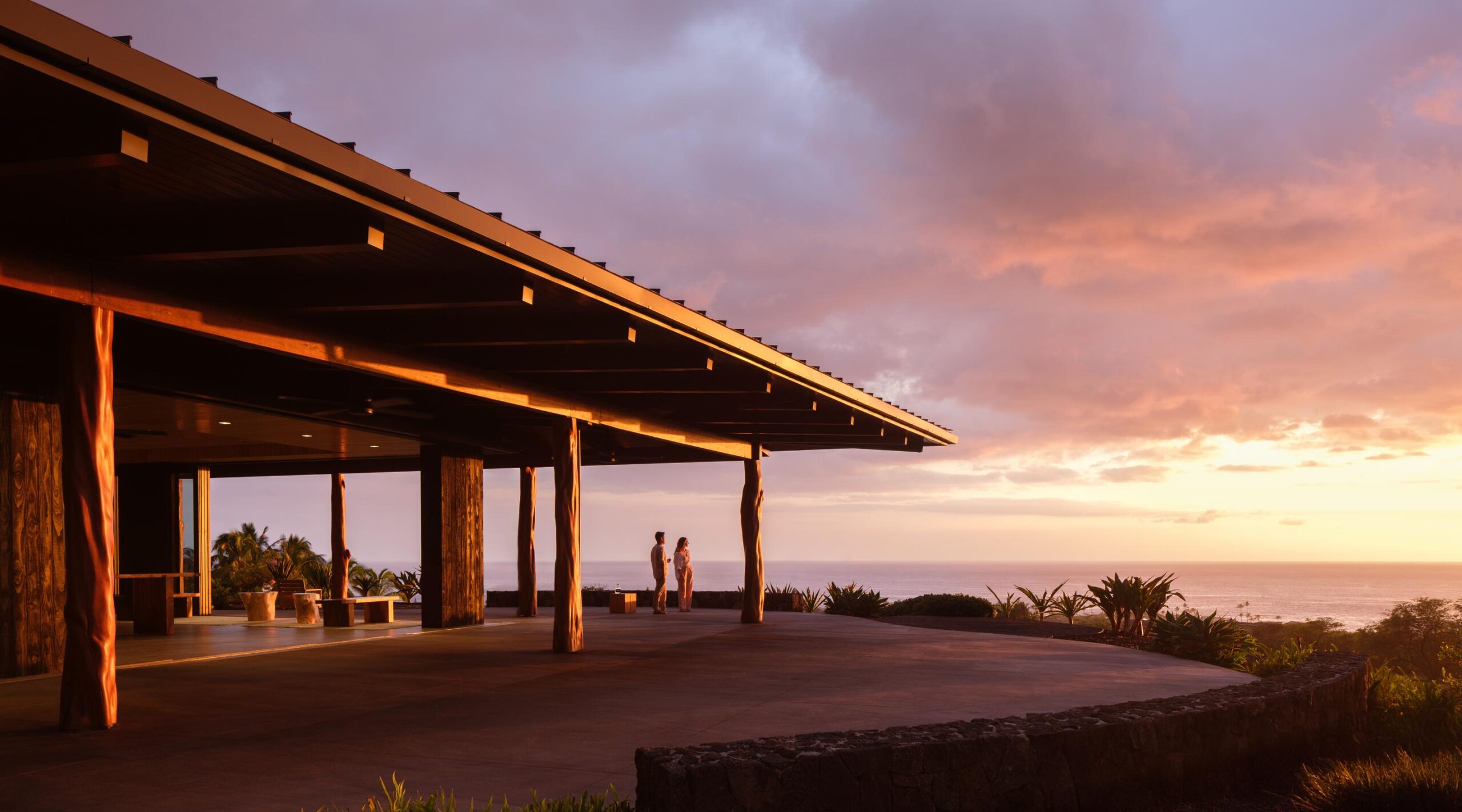
Princeton_South Entry

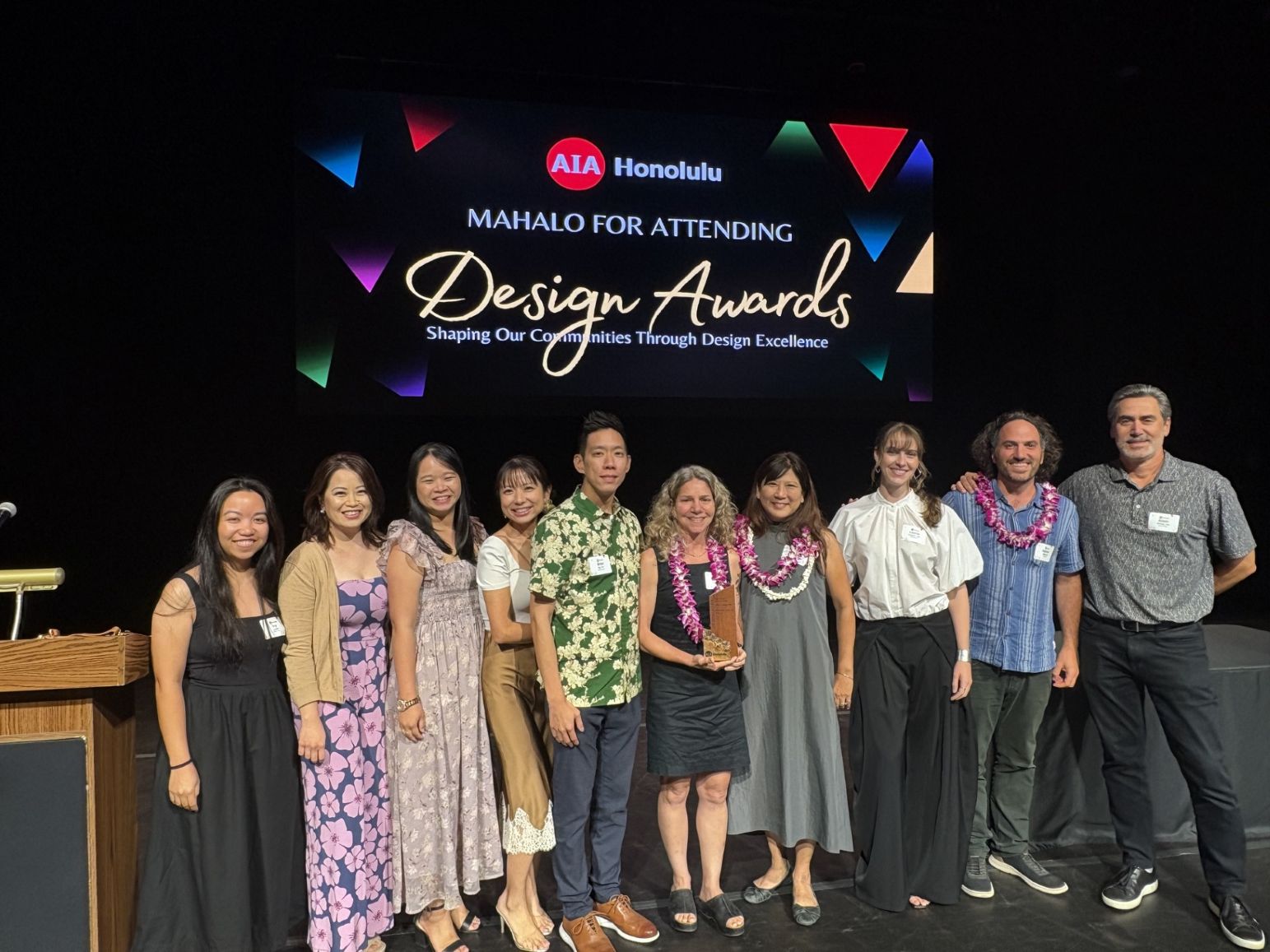
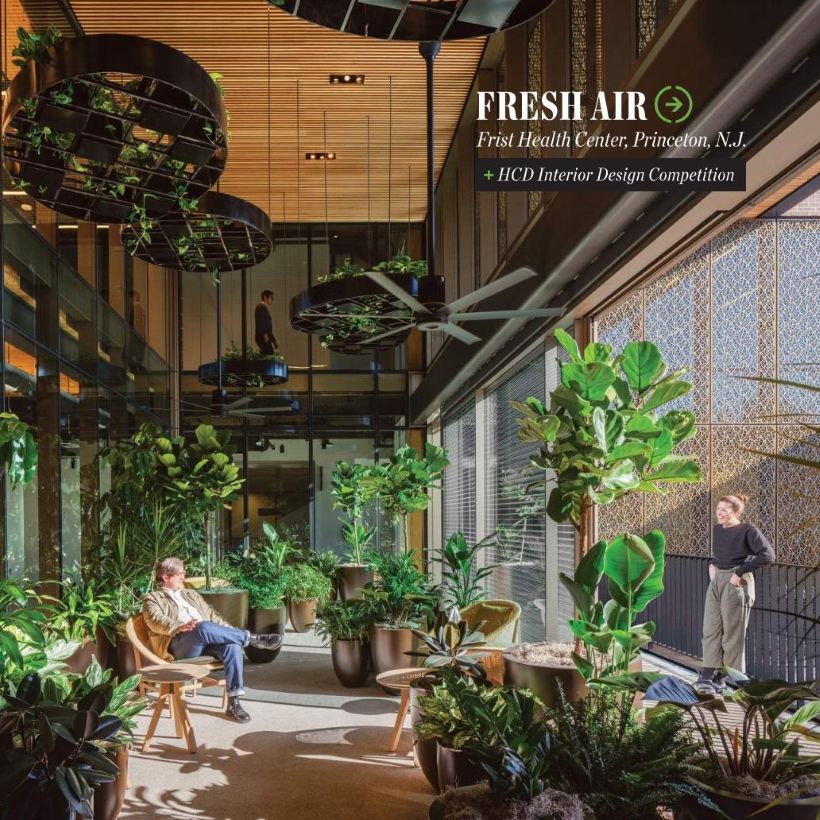
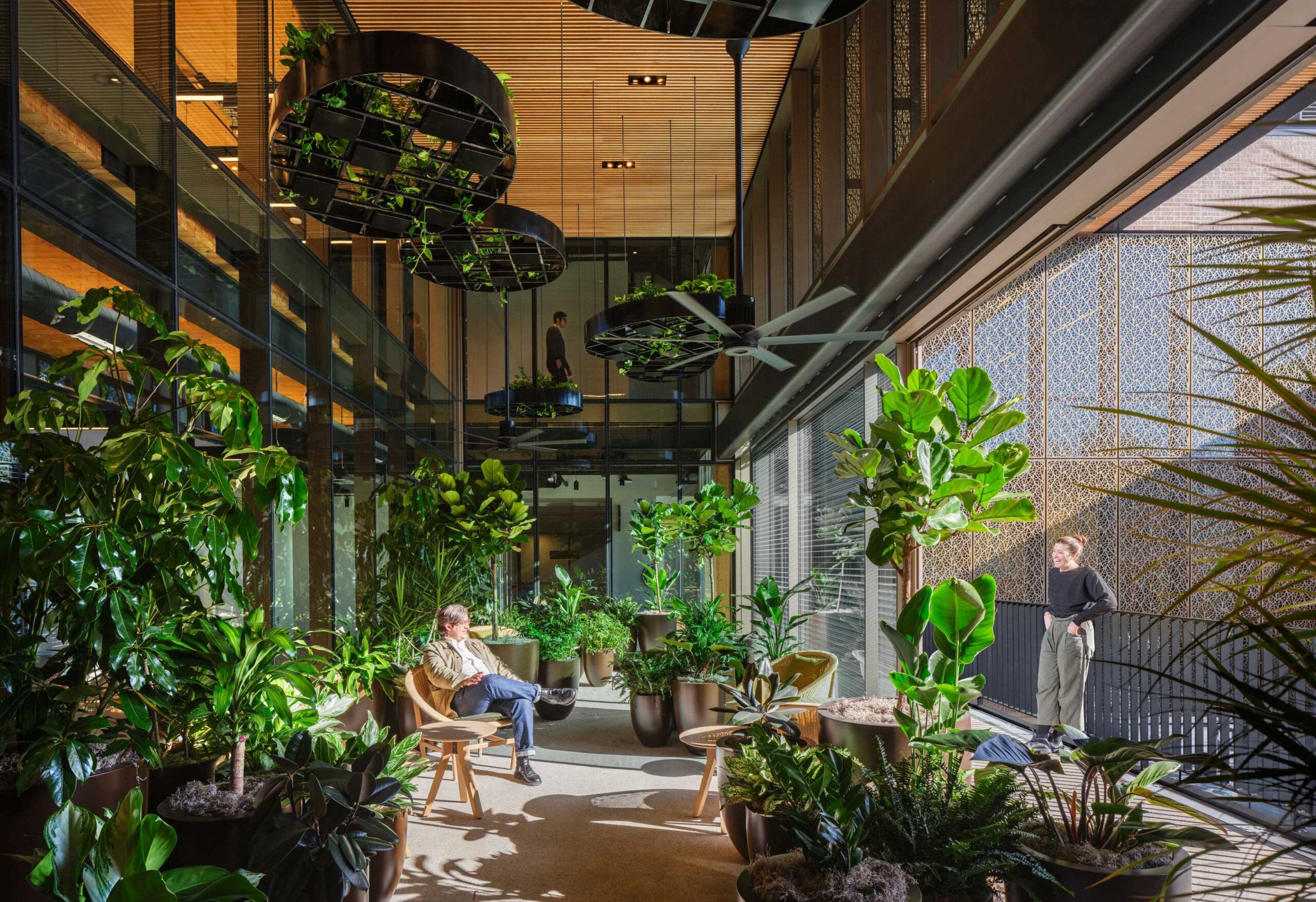
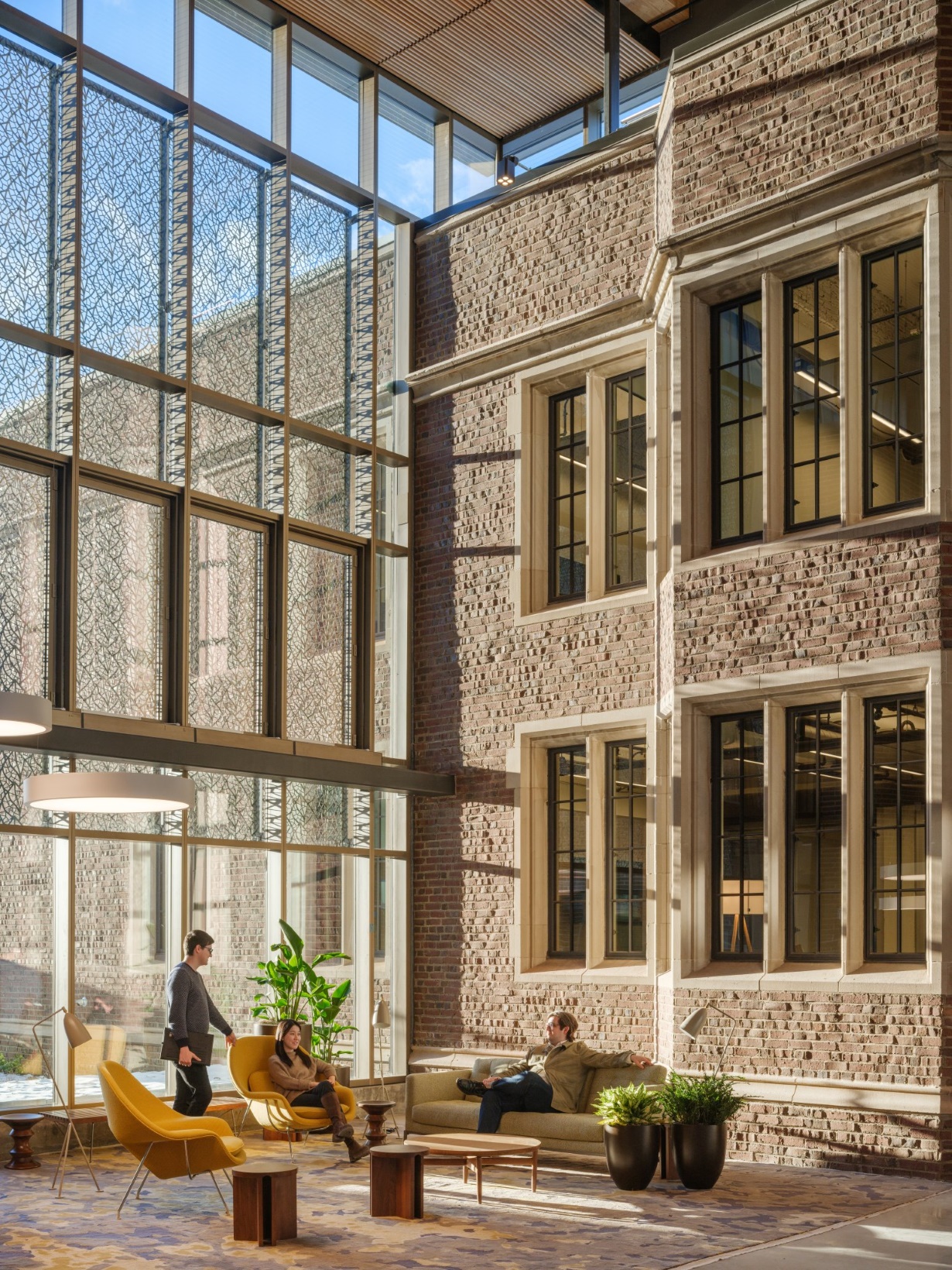
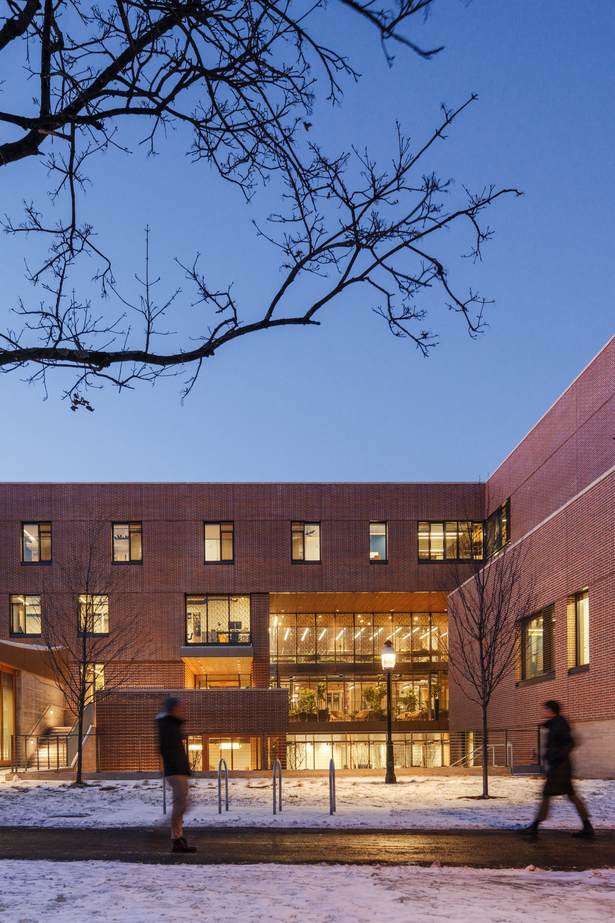
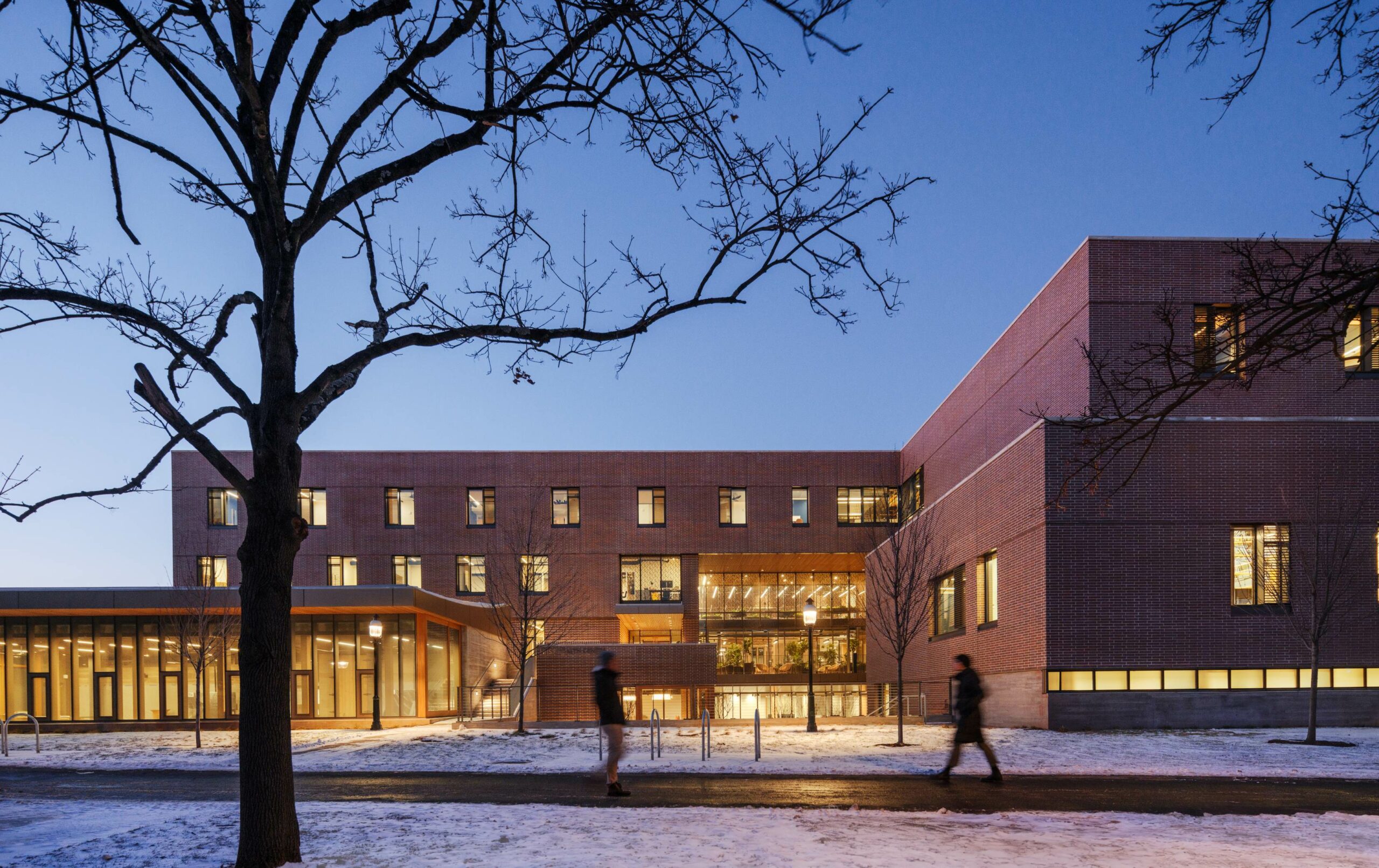
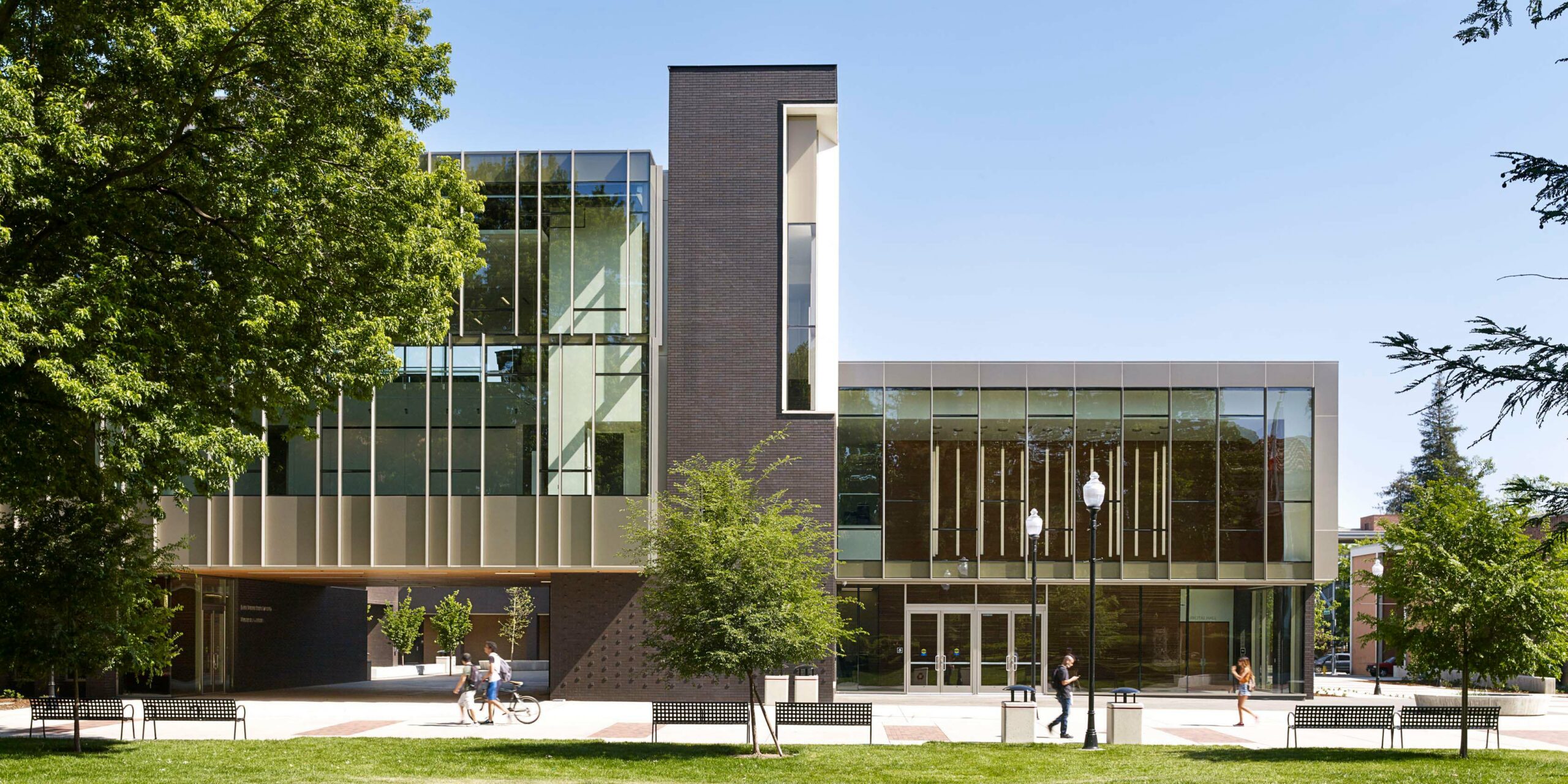
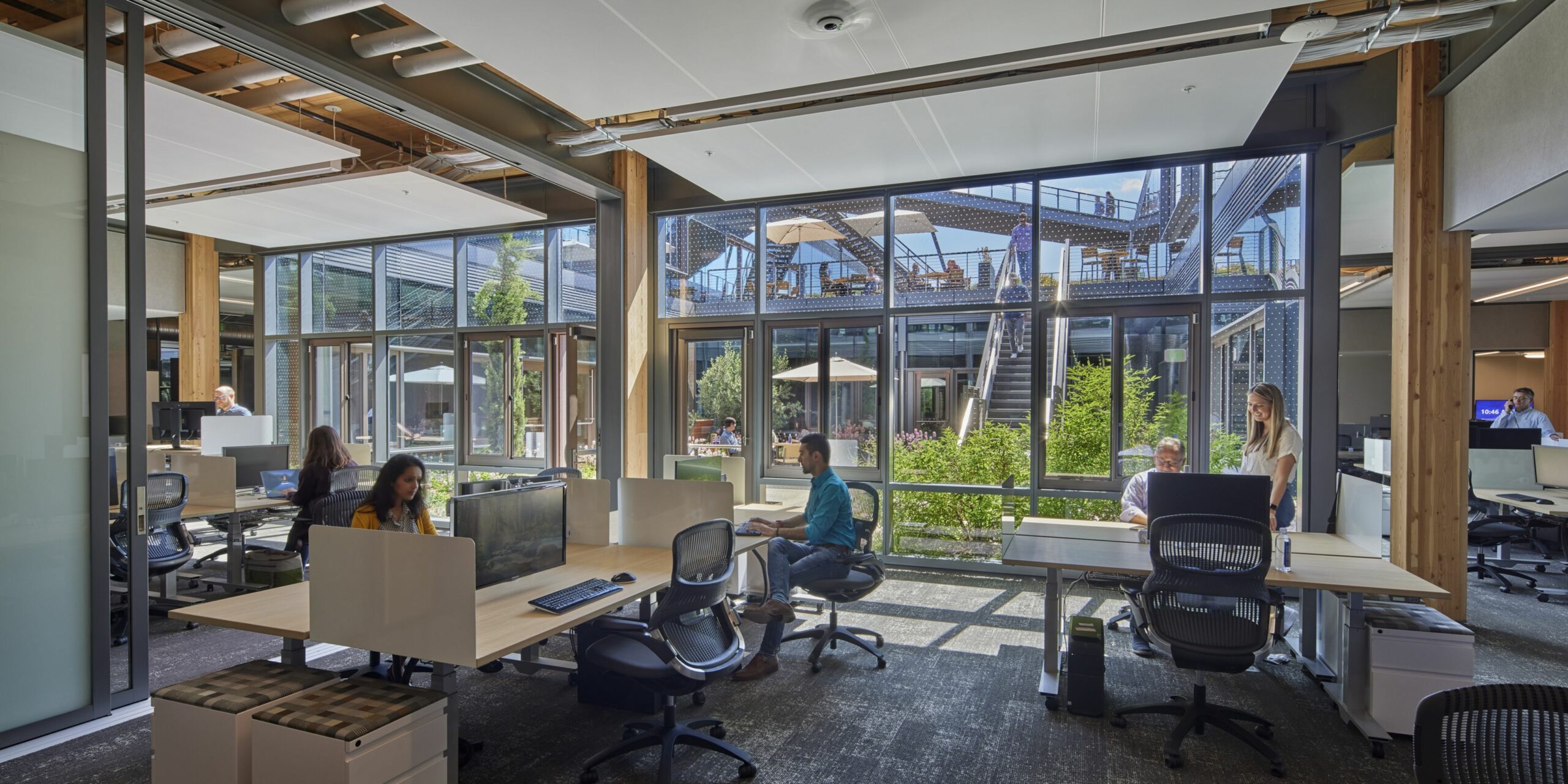
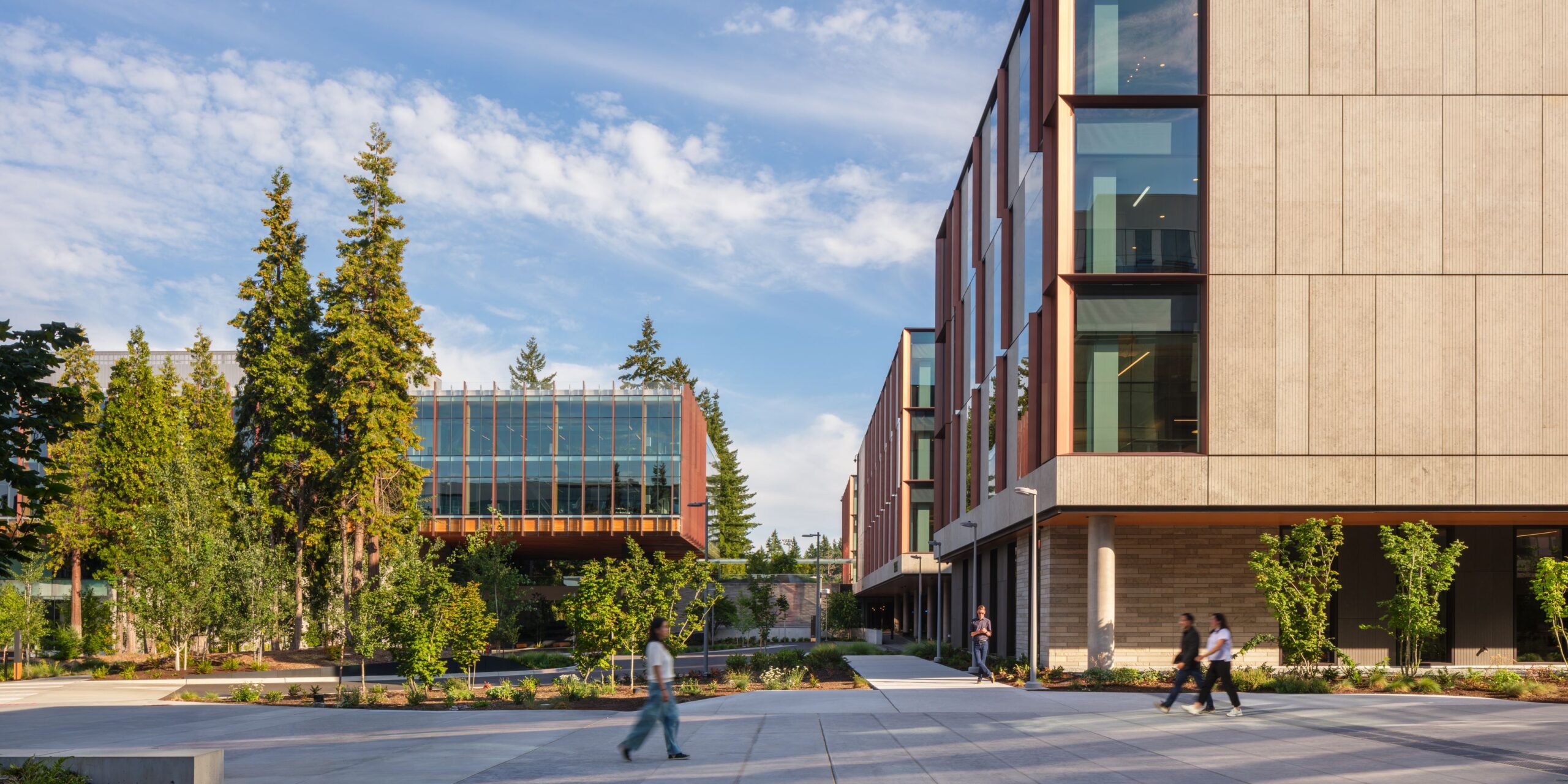
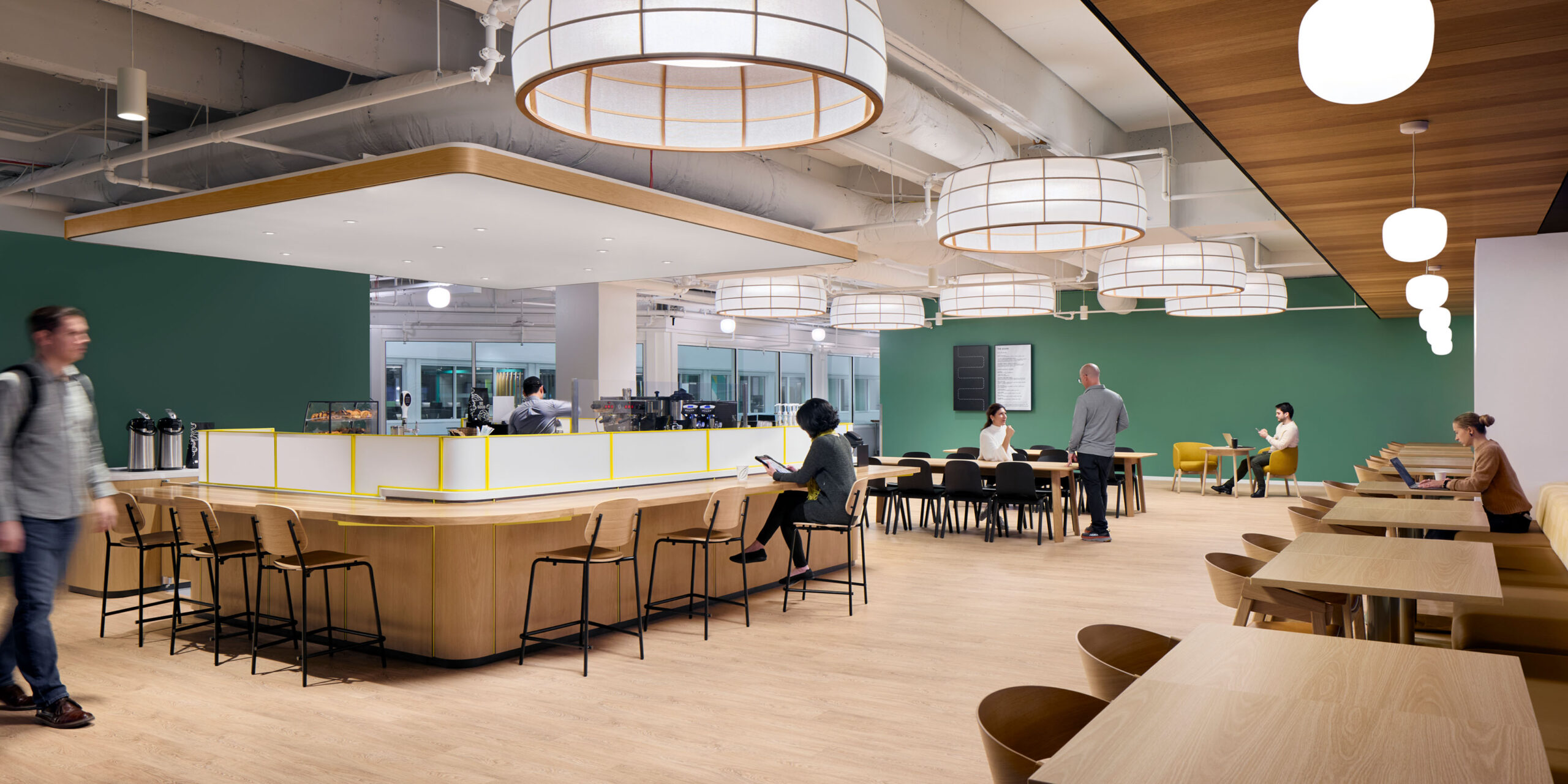
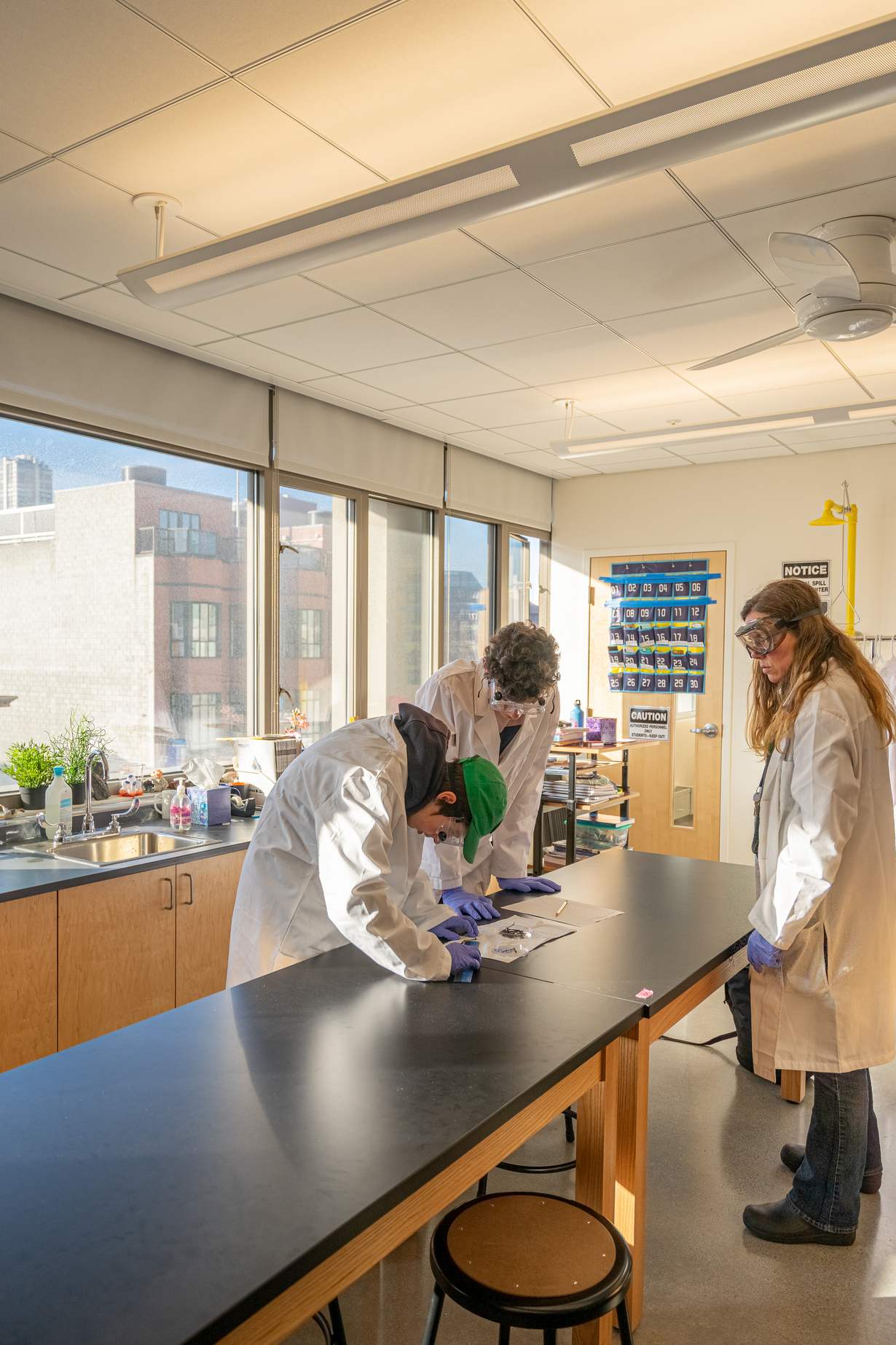
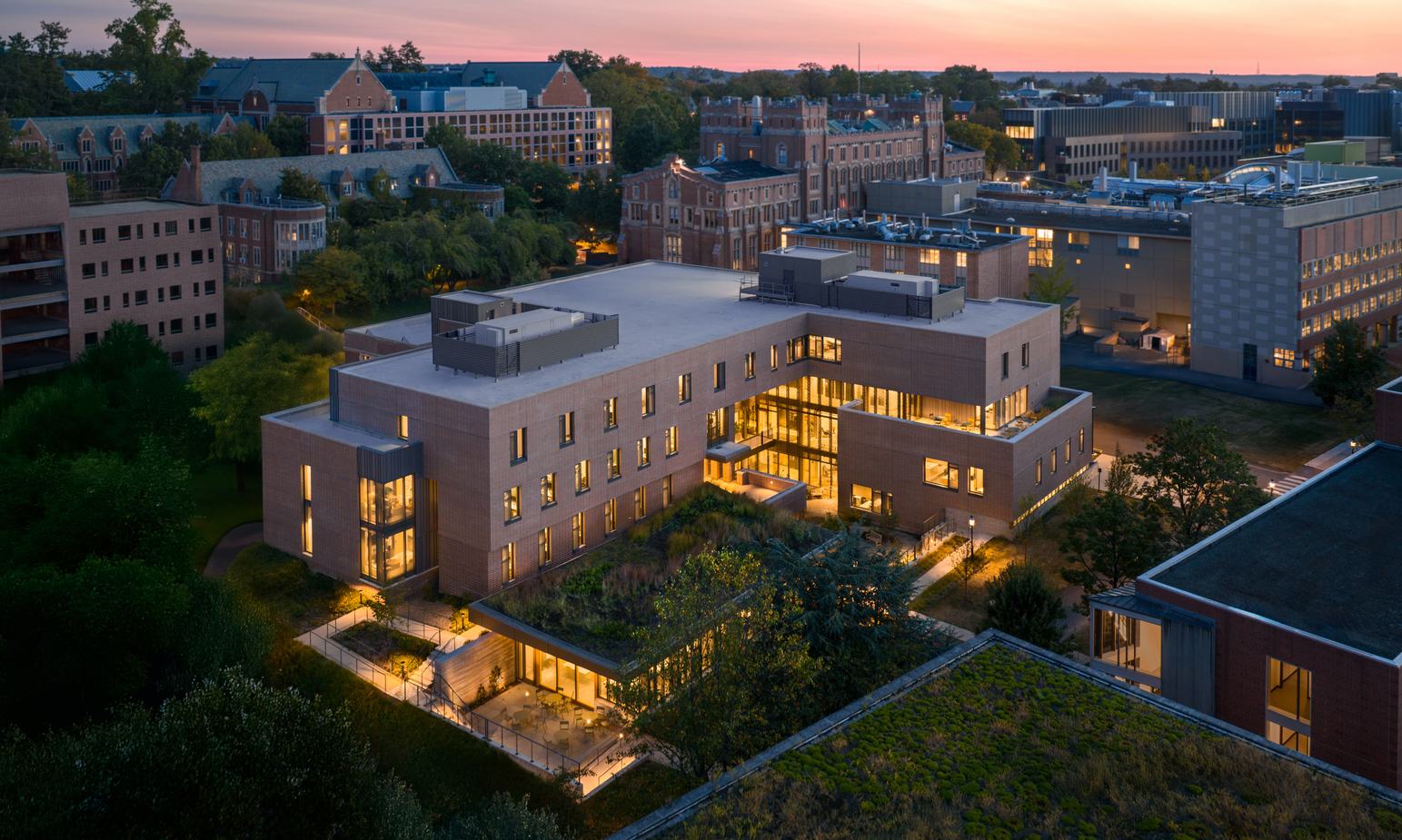
We’re proud to share that the project has been recognized by both AIA New York State and the General Building Contractors Association (GBCA) this year. These awards reflect the collective effort of Princeton University, our WRNS team, and the many partners who helped bring this project forward with care and craft.

AIA New York State Design Awards: Merit Award, Institutional
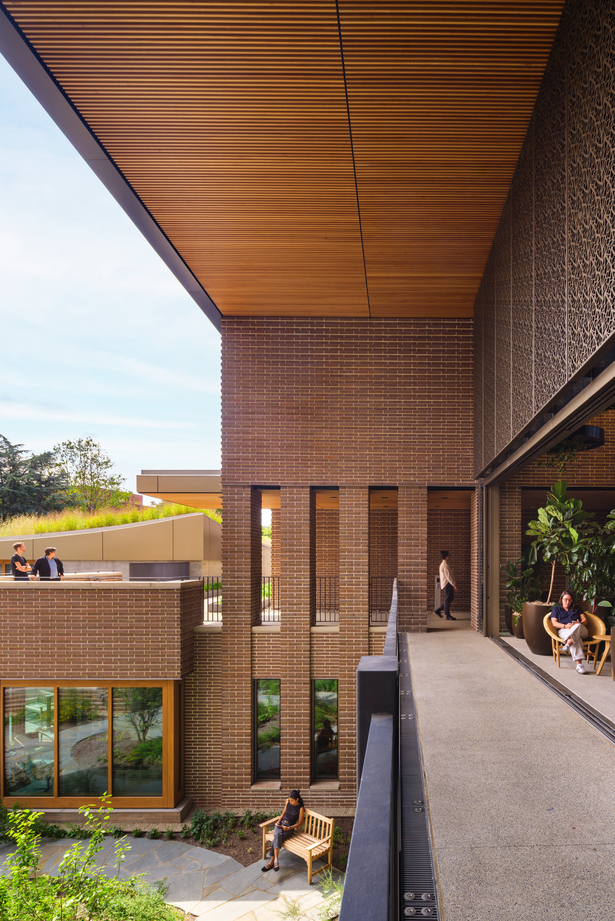
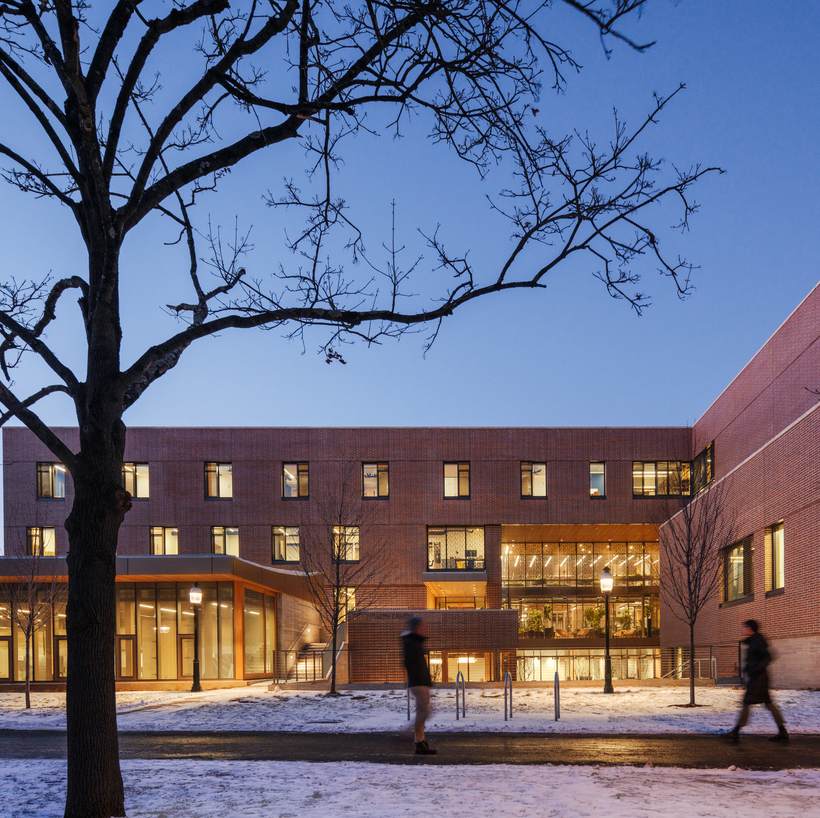
Frist Health Center received a 2025 Merit Award in the Institutional category through the AIA New York State Design Awards program, which celebrates projects demonstrating design excellence, contextual sensitivity, and meaningful community impact.

General Building Contractors Association (GBCA): Construction Excellence Award, Building Transformation and Renovation Over $30M
At the 28th Annual Construction Excellence Awards, the project was honored in the category of Building Transformation and Renovation Over $30 Million, recognizing the exceptional collaboration and construction quality delivered by our partners, including HSC Builders & Construction Managers.

AIA New York State Design Awards Program

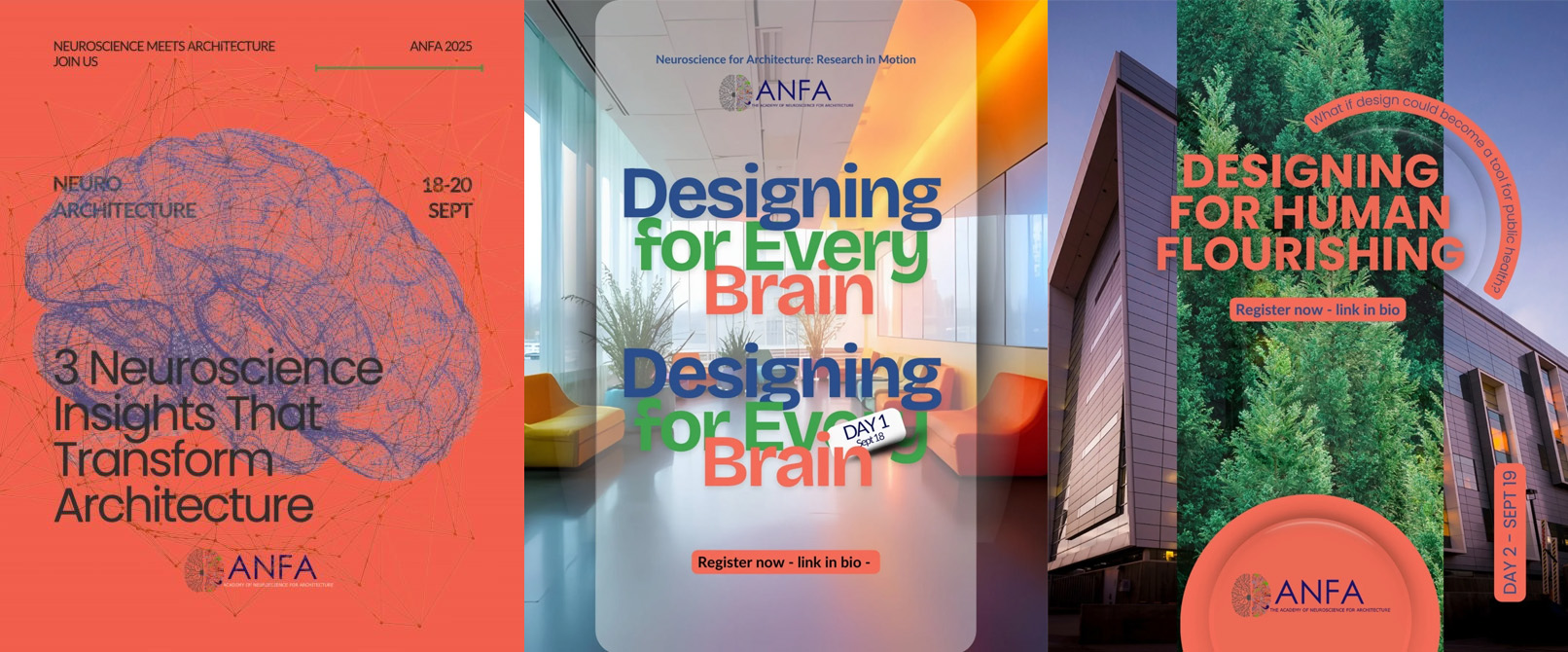
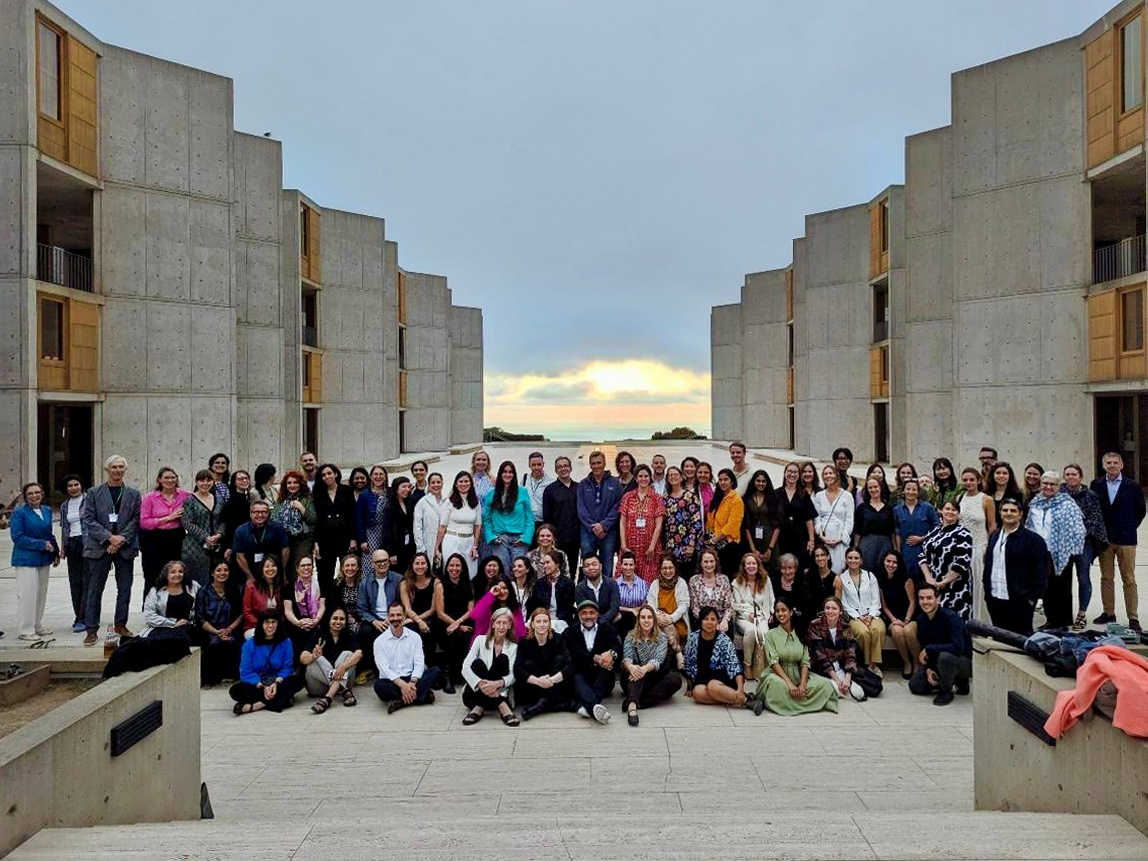
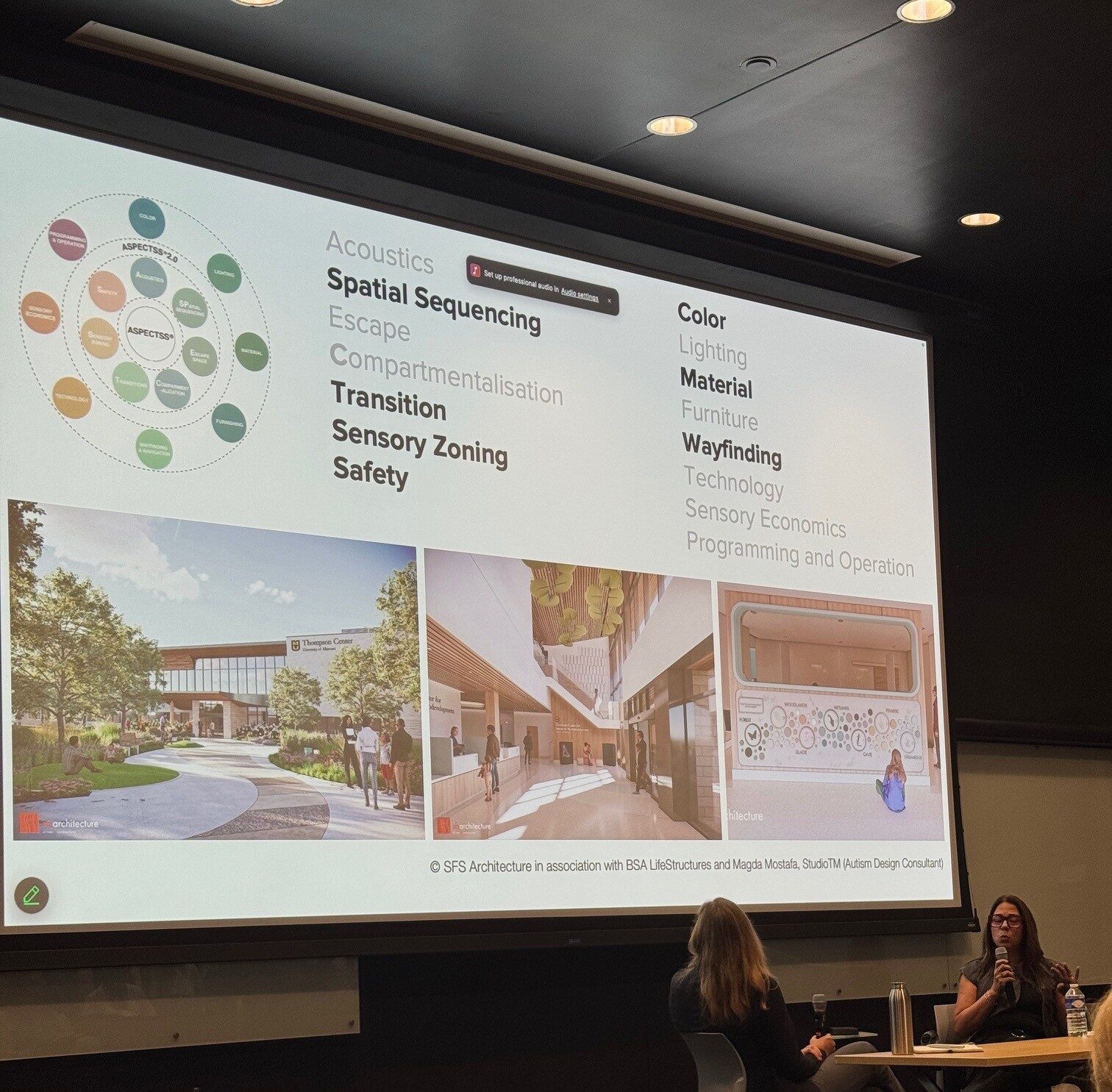
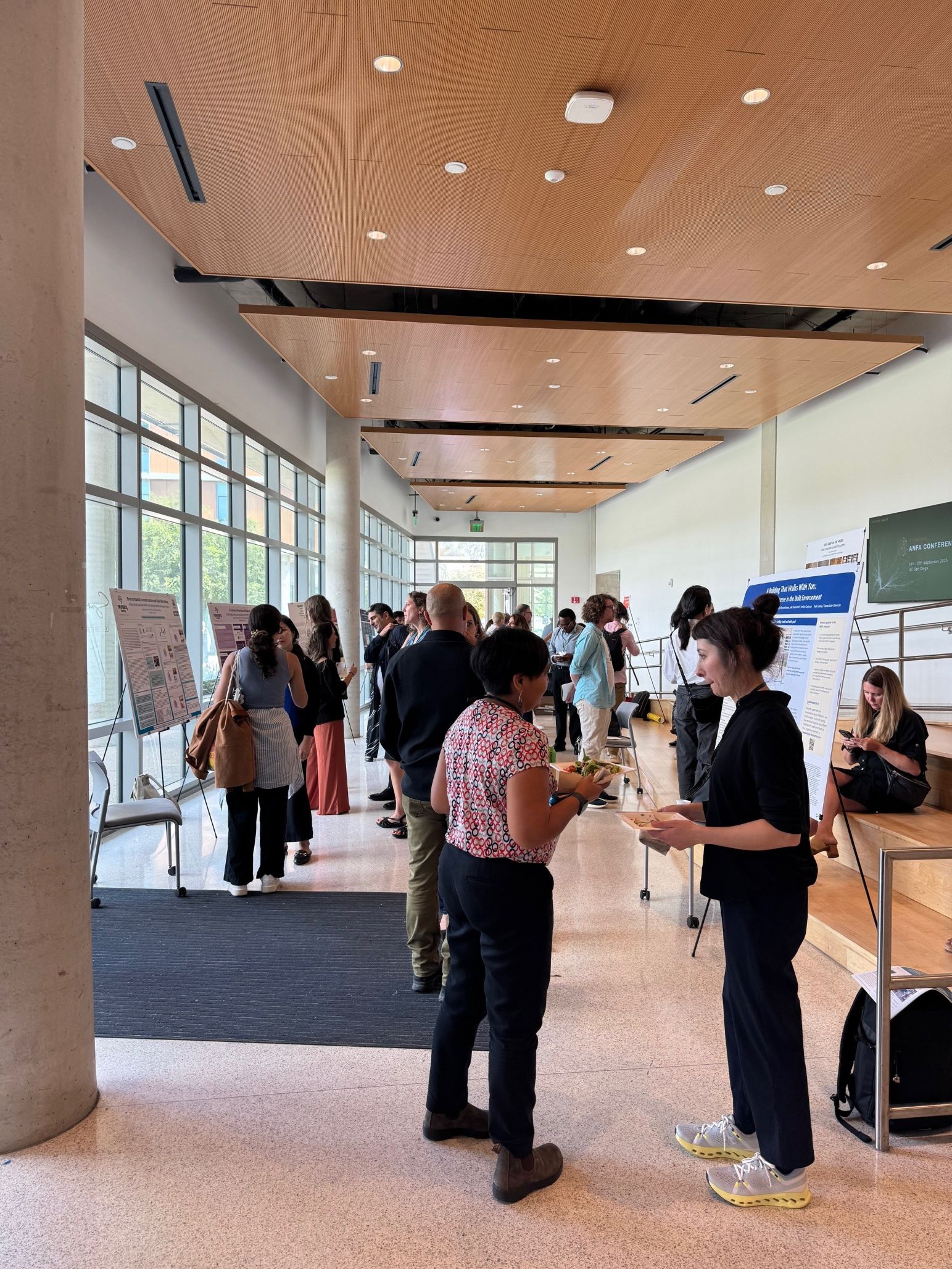
Earlier in September, I had the chance to attend and present at the Academy of Neuroscience for Architecture (ANFA) Conference in La Jolla. ANFA is one of those rare gatherings where architects, neuroscientists, educators, and health experts all come together around a single question: how do the places we design shape how people feel, think, and live?

This year’s theme, “Research in Motion,” captured the energy in the room. The sessions were organized around three big ideas: designing for every brain, designing for human flourishing, and designing for a changing world. We moved from conversations about inclusion and neurodiversity, to health and well-being, to climate change and technology. By the end of three days one thing was clear: research is not meant to sit still in a lab, but to move outward into practice.

Why this matters for our practice

At WRNS, we often ask how our projects can do more than meet a program. How can they spark curiosity in a classroom, or encourage connection on a campus, or support recovery in a health space? The conversations at ANFA reinforced that these instincts have scientific weight. Below are some examples of how this research relates to the way we practice architecture at WRNS Studio:

Education

Current research shows how things like flexible classrooms, sensory-rich environments, well-defined thresholds, curved shapes, and designs that give more choice and agency to the user can support a more supportive learning environment. This work feels especially urgent against the backdrop of alarmingly high rates of anxiety and stress-related health issues among young people. The solution is not simply medical and psychological. The spaces we design play a powerful role in supporting their resilience and well-being. Our designs at WRNS showcase what we instinctually know, but the specificity of the data will help us sharpen our pencils to create better environments.

Health and well-being

Studies on daylight, acoustics, and access to nature confirm what we see in practice. These aren’t luxuries but baseline conditions for resilience. The neuroscientific research emphasizes how spatial qualities can reduce stress, improve recovery times, and lower blood pressure. Conversations around hospitals, workplaces, and public spaces all pointed to the same conclusion: environments can either tax our nervous systems or help restore them. For us, this highlights how design decisions at every scale, whether choosing materials, shaping circulation, or opening views to nature, carry measurable health implications.

Climate and Sustainability

It is a well-known fact that sustainable strategies also support cognitive performance and comfort. They go together. However, only recently we’re learning more about the measurable mental health impacts of climate change; not only rising eco-anxiety, but also the trauma associated with climate-related disasters. Events like wildfires, floods, and the release of toxic building materials during these incidents create both immediate physical dangers and lasting emotional scars. It’s a reminder that environmental design and human design are inseparable, and that resilient, healthy buildings can safeguard mental health as well as physical well-being.

My contribution

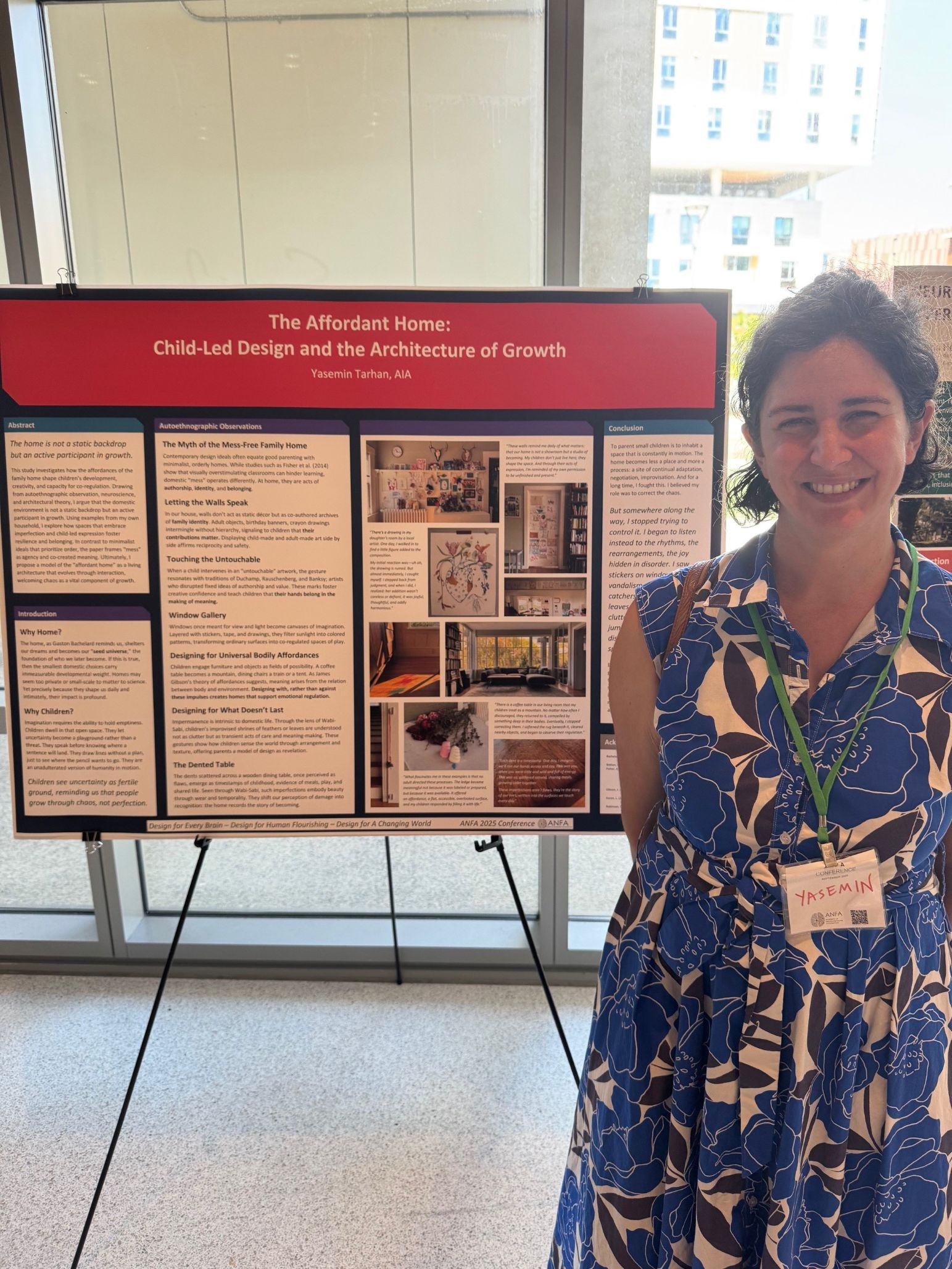
I presented my research titled: The Affordant Home: Child-Led Design and the Architecture of Growth, which explores how everyday domestic environments function as living laboratories for development. The core idea is simple: when spaces invite action through availability, scale, texture and visibility, children co-author their environments. That participation fosters agency, co-regulation, and skill building. While my case study is the home I live in with my three children, the implications are far reaching: classrooms, libraries, work and public spaces can all be designed to scaffold greater agency and participation, not just compliance.

Takeaways

Coming back to WRNS, my biggest takeaway is that neuroscience is not a niche interest. It’s a tool we can fold into our everyday design process. Just as we track energy use or daylight levels, we can also track: how will this space impact stress recovery, healthier movement, or social connection? There is an abundance of scientific research and data we can use to back up these correlations.

If ANFA 2025 was about research in motion, then our role is to keep that motion alive in our work. In every project, small or large, we must remember to design environments that are equitable, healthy, and resilient for every brain. That means building with an awareness of mental health and neurodiversity, and with a commitment to spaces that foster resilience and belonging across all communities.

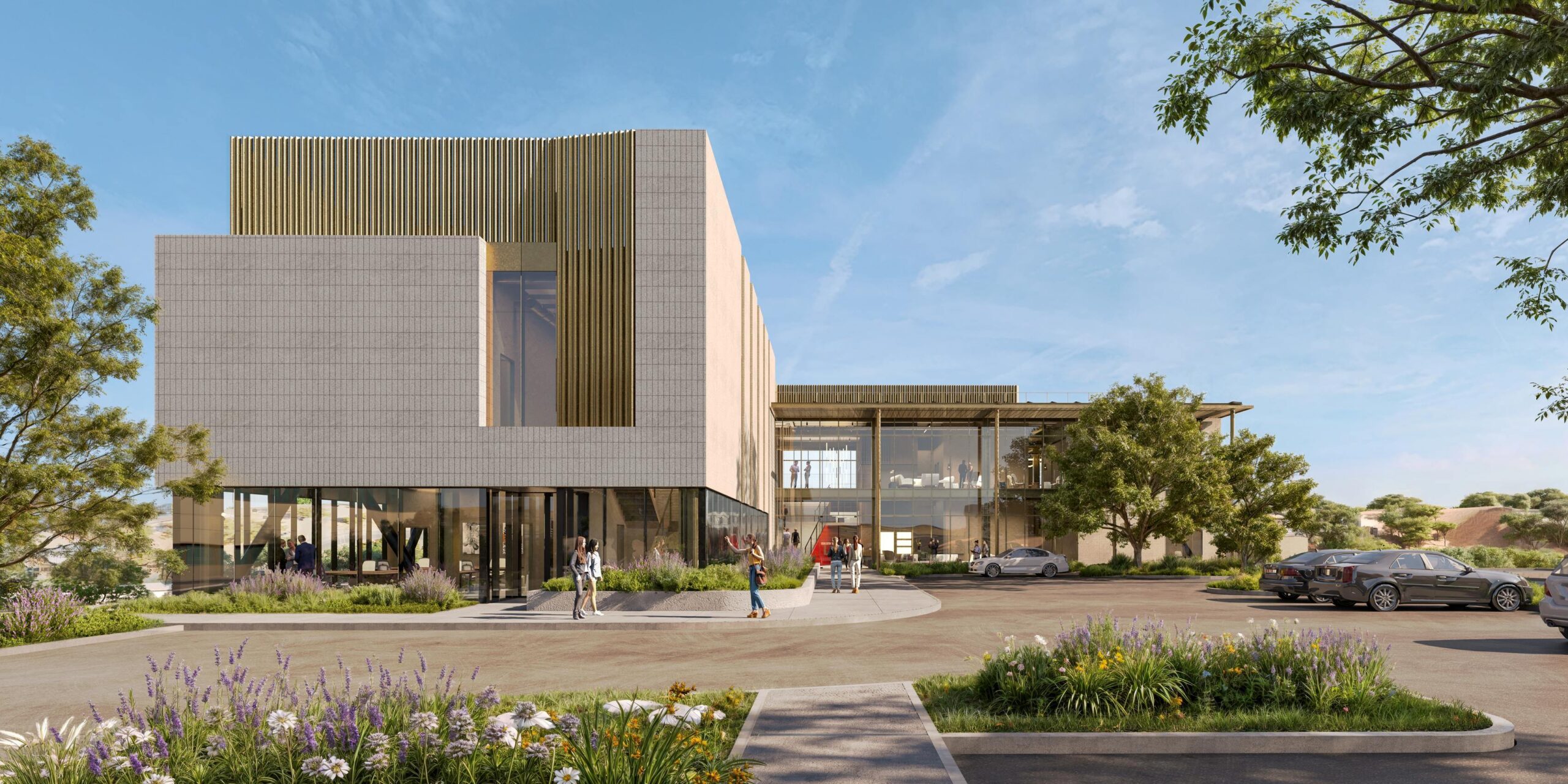
The new facility in Redding embraces daylighting, biophilia and human-centered design strategies, for a company transforming wildfire fuel into climate-positive building materials and creating advanced manufacturing jobs for Northern California. 

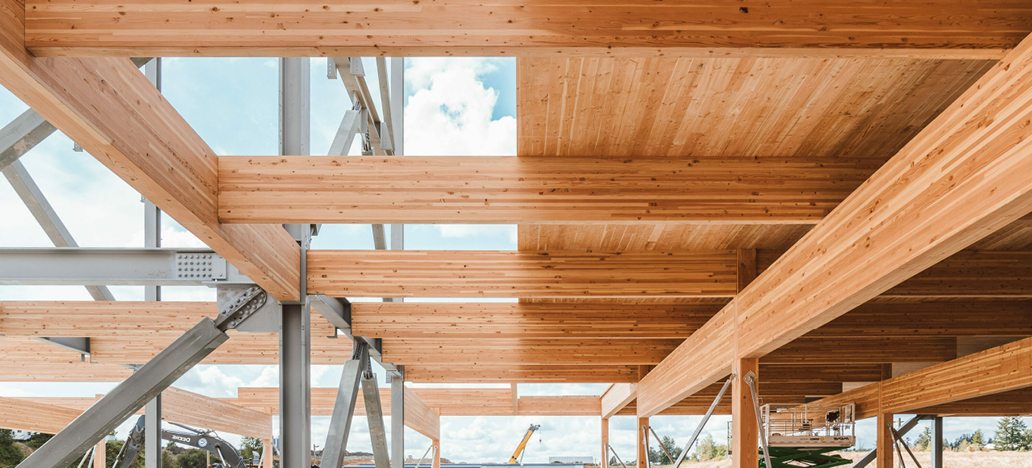
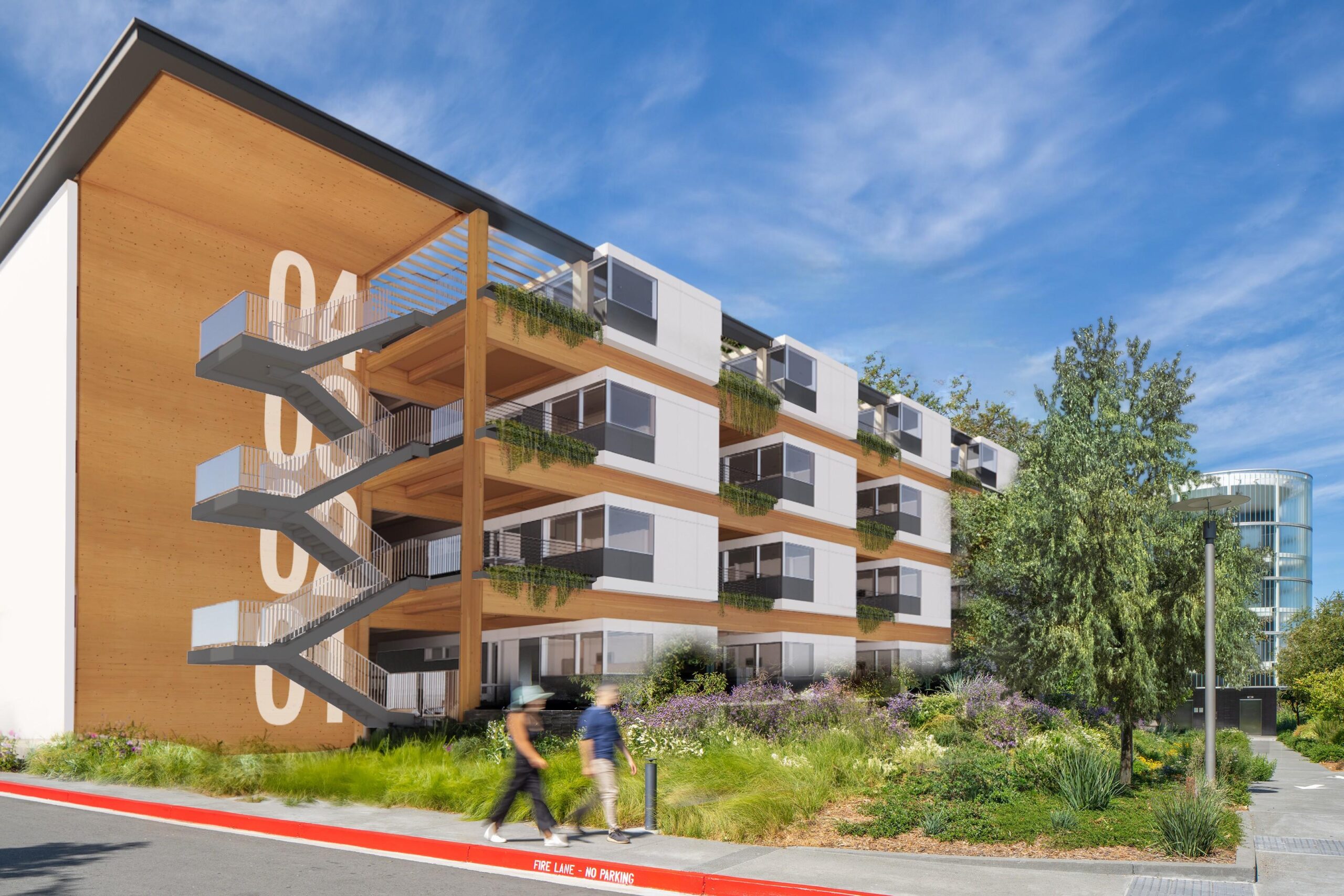
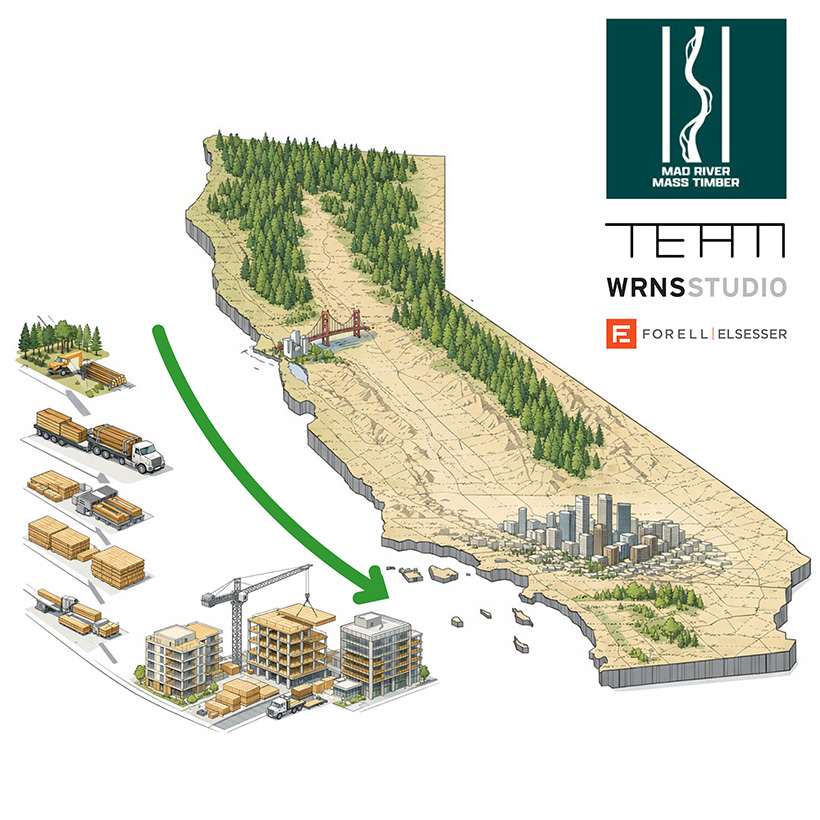
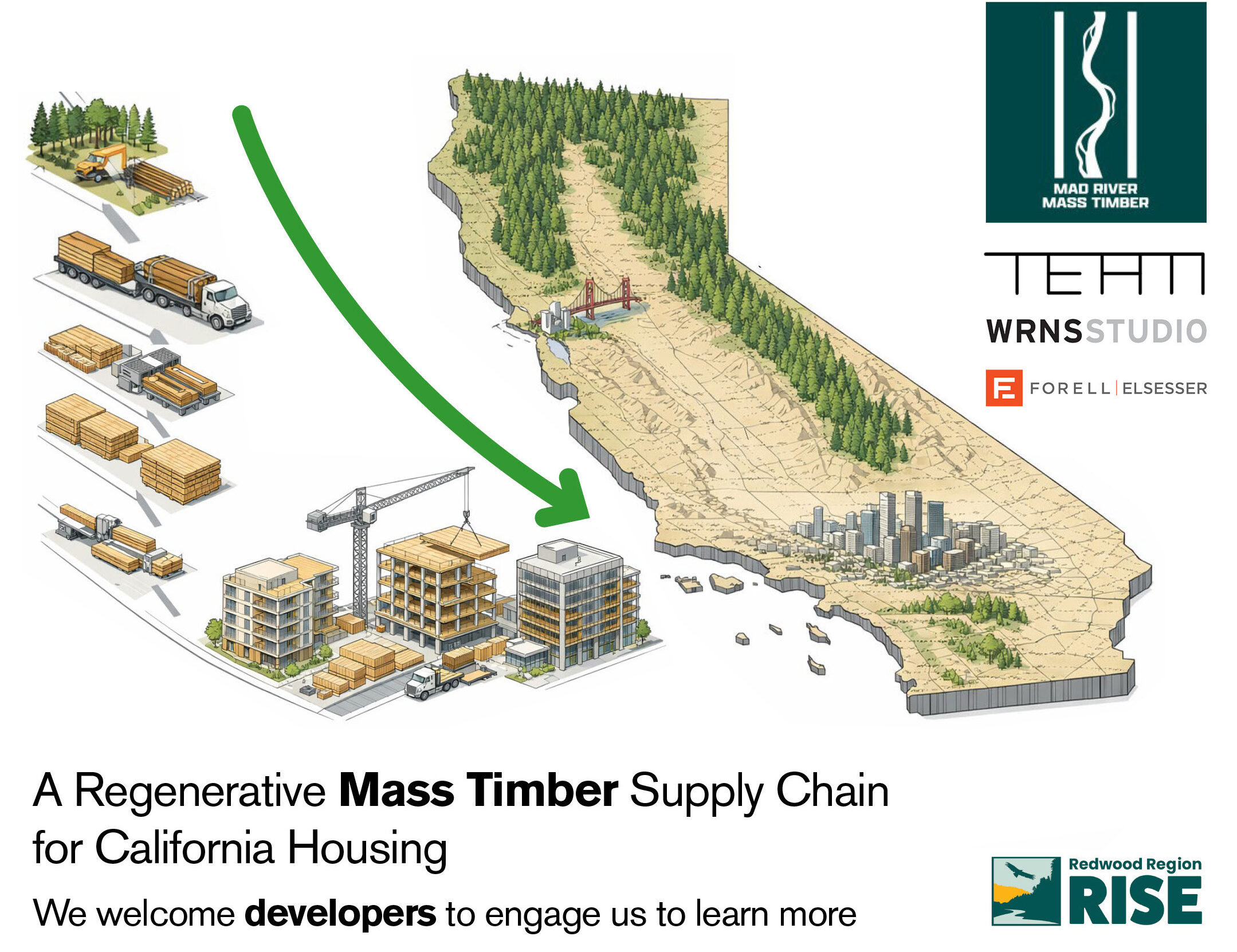
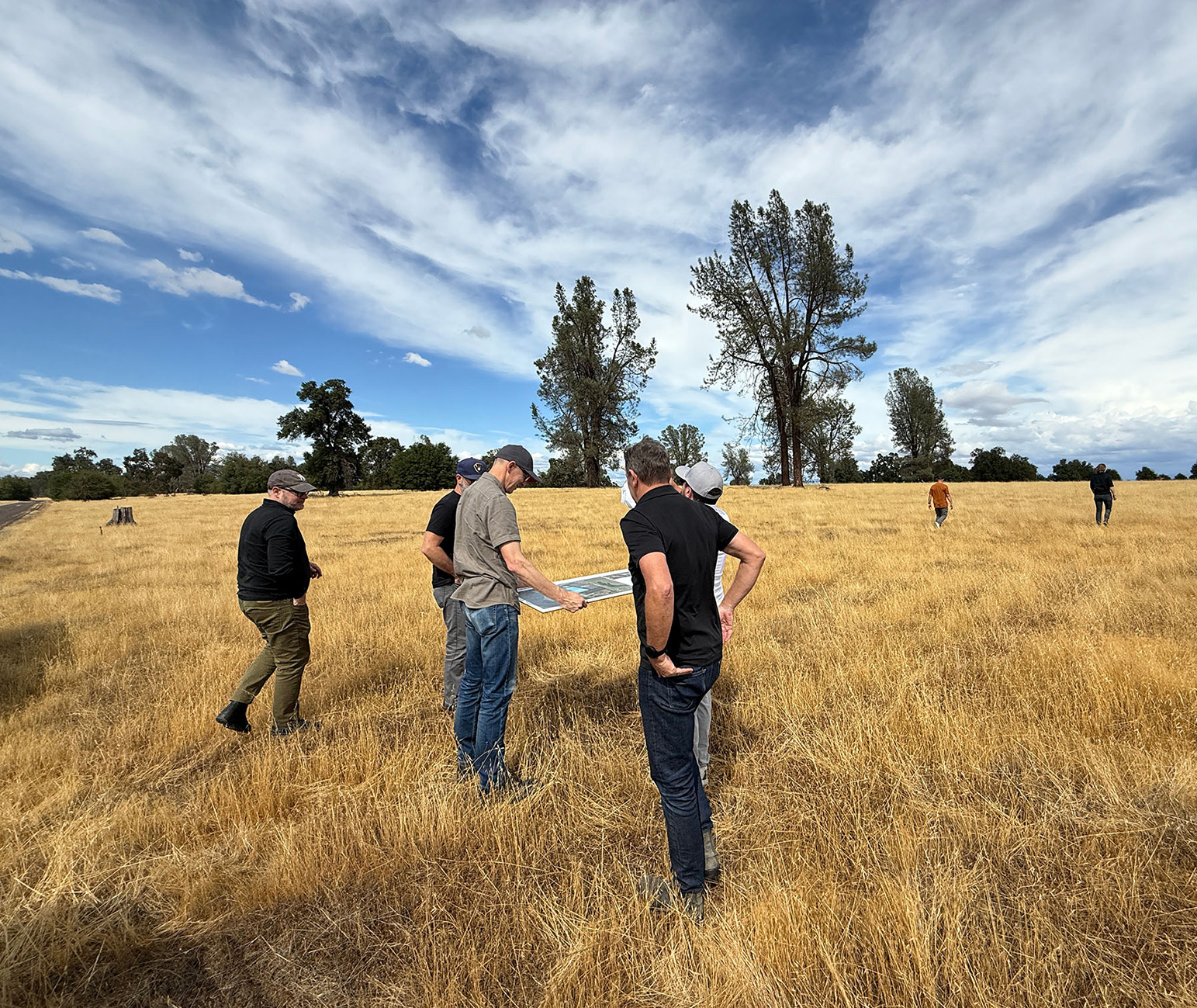
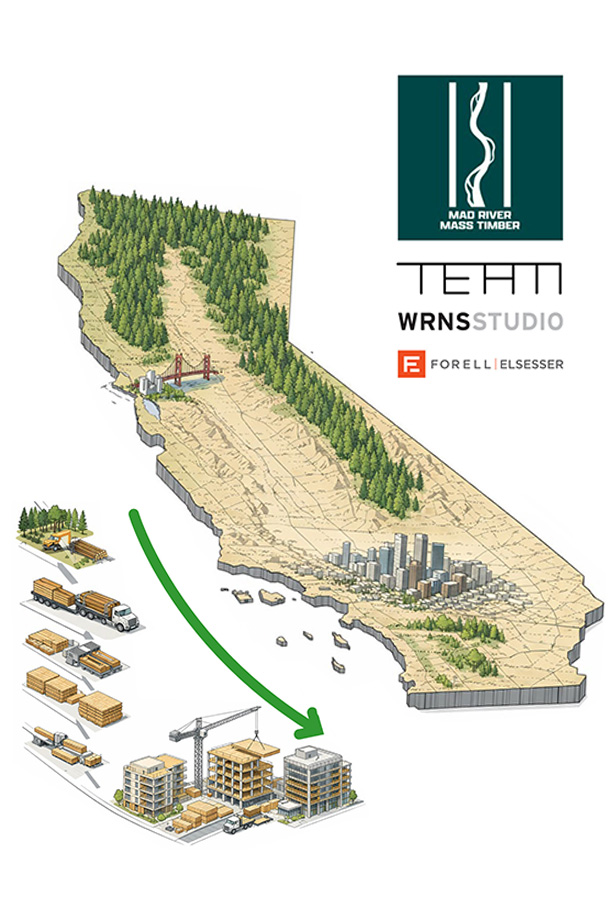
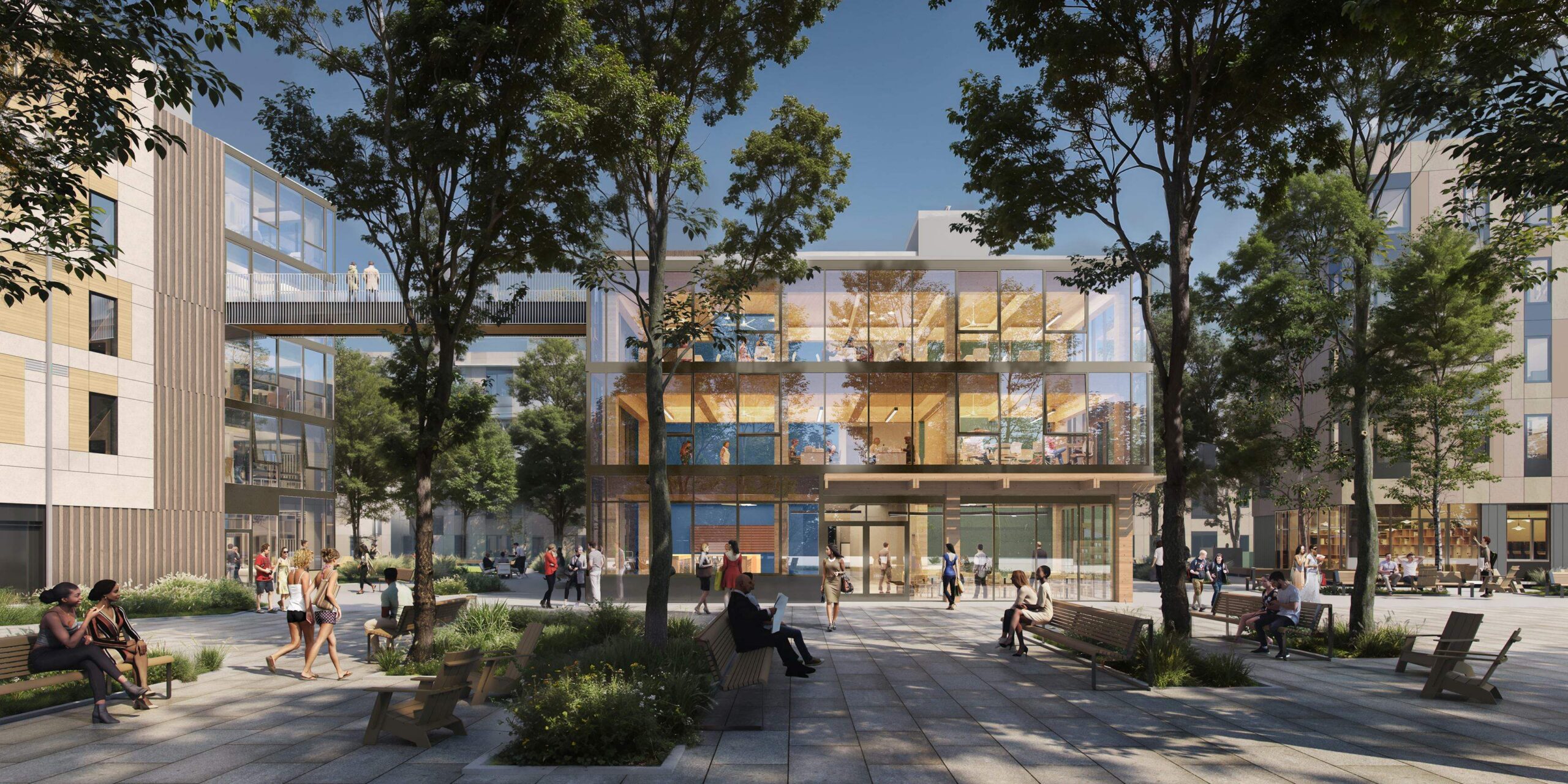
WRNS Studio and FABRIC Mass Timber have begun design work on California’s first regenerative mass timber manufacturing facility in Redding, marking a pivotal step to expand the circular, low-carbon mass timber economy in the state.  The building offers a new paradigm for industrial architecture: a biophilic and adaptable system that showcases innovation while reducing carbon at scale and empowering local communities. The 200,000-sf vertically integrated facility will be the headquarters and flagship of FABRIC’s operation, bringing consulting, engineering, manufacturing, testing and demonstration under one roof.  The building will also be the nexus of FABRIC’s ecosystem, to cultivate connections between the design, construction and forestry industries, academia, research, policy-making, workforce training and community activism, with the goal of increasing awareness and adoption of mass timber across multiple industries.  With this project, timber will be sustainably harvested from California forests, fabricated by a local workforce, designed for structures that address the state’s urgent need for housing and development.

“Drawing on our mass timber expertise on recent projects for Microsoft and Princeton University, we are thrilled to help this game-changing organization create a vibrant flagship facility, serving the Redding community, and creating a new beacon of sustainability in California.”

Ben Mickus
Partner

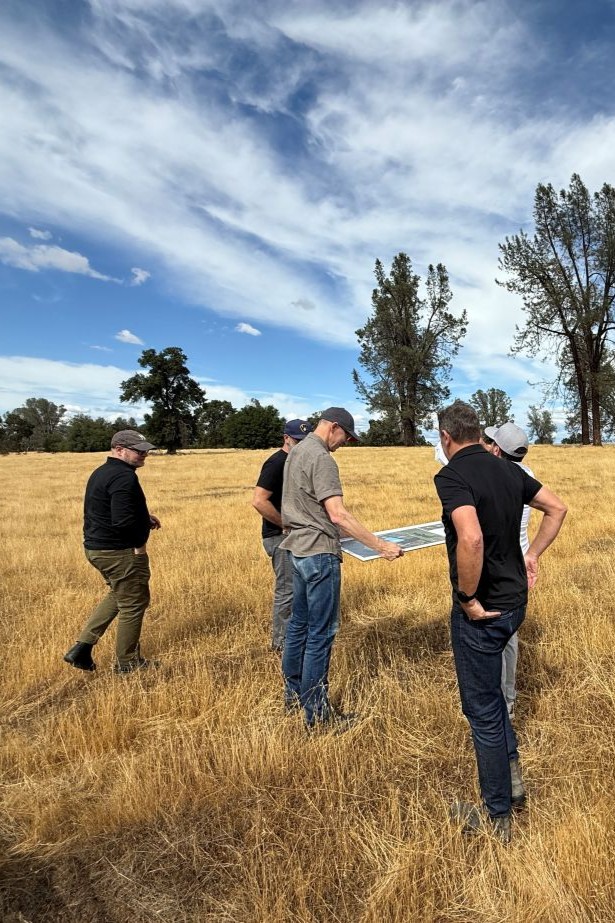
FABRIC Mass Timber, founded in Northern California, is pioneering a new model of resilient industry, sourcing timber from local Hazardous Fuel Reduction projects in partnership with CalFire and the National Forest Service, to create a new and abundant local supply chain of timber for mass timber production.  They are also building on the momentum of state-wide leadership in embodied carbon reduction policies, and a state building code which adopts the use of mass timber as a viable and fire-resistant structural system.  The company also aims to address the state’s housing crisis by offering an efficient and modular alternative to traditional multi-family housing construction.

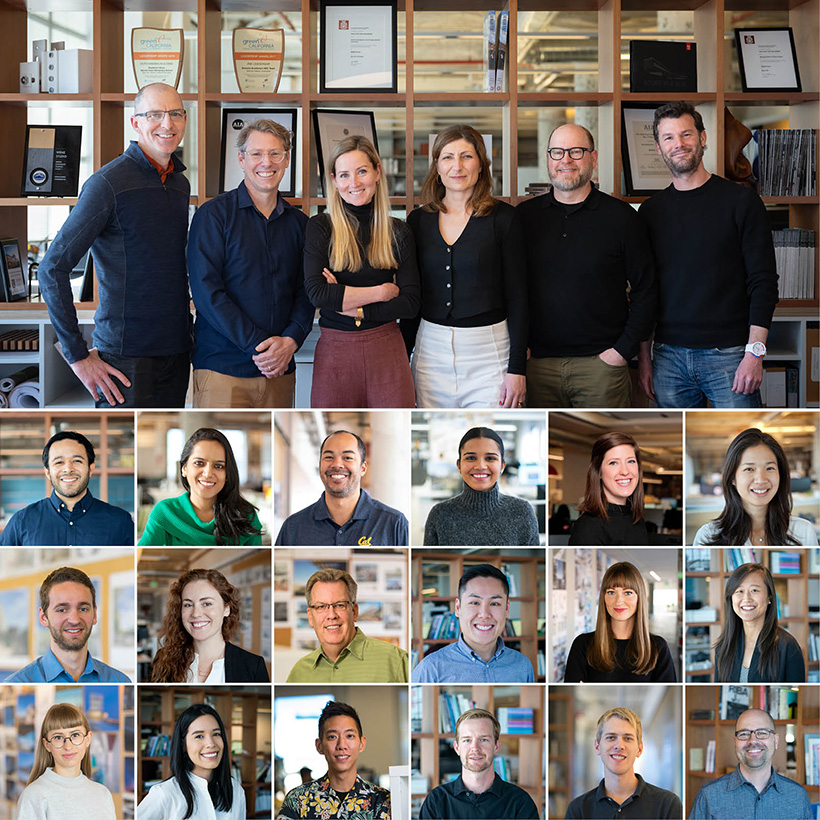
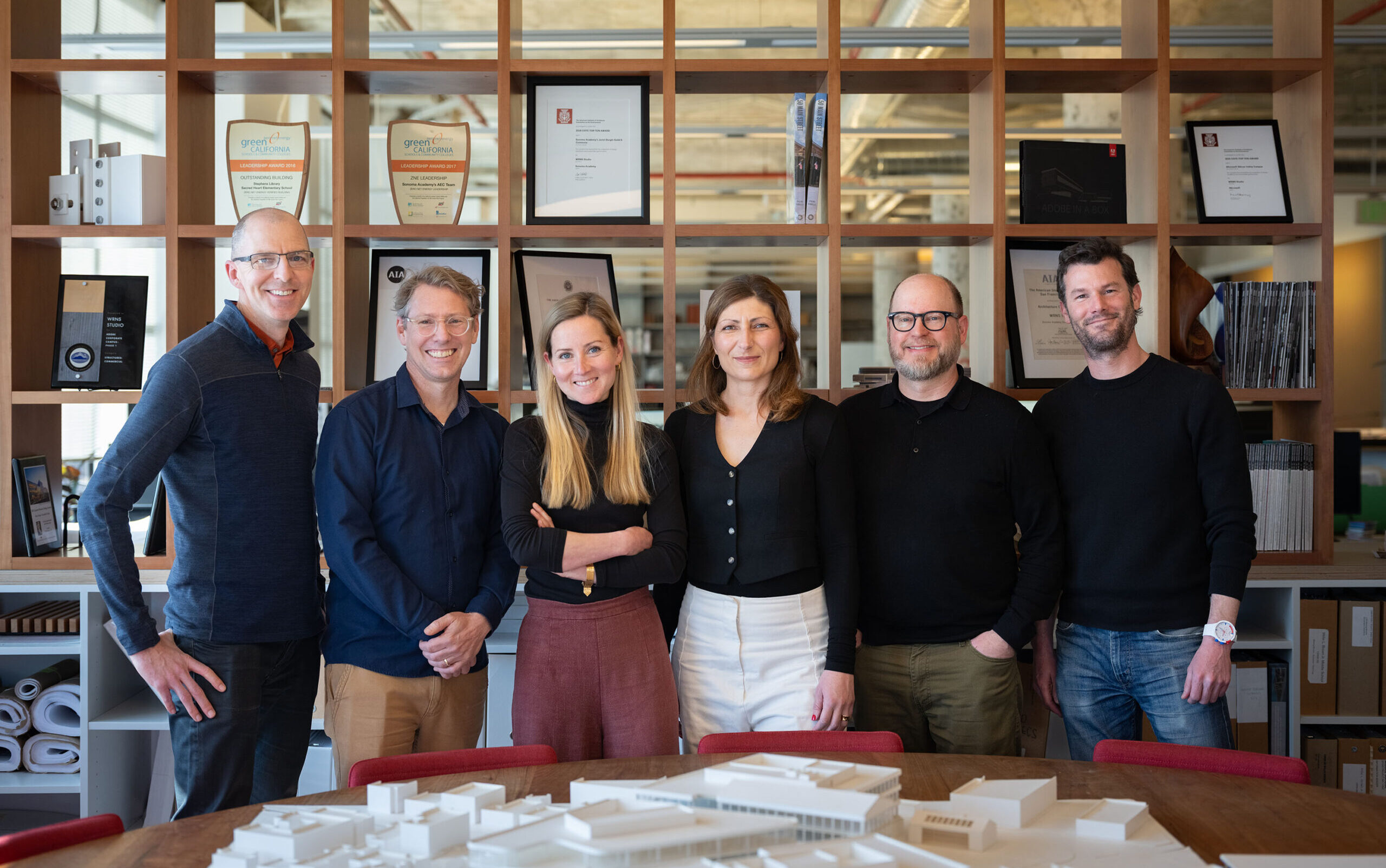
Celebrating 20 years of practice, WRNS Studio announces the elevation of six new partners, ten senior associates, and eight associates. Each brings a distinct voice to our dynamic studio culture, delivering projects that strengthen communities, enrich the public realm, and care for the natural environment. These talented architects and design professionals are advancing our legacy while charting what’s next.  

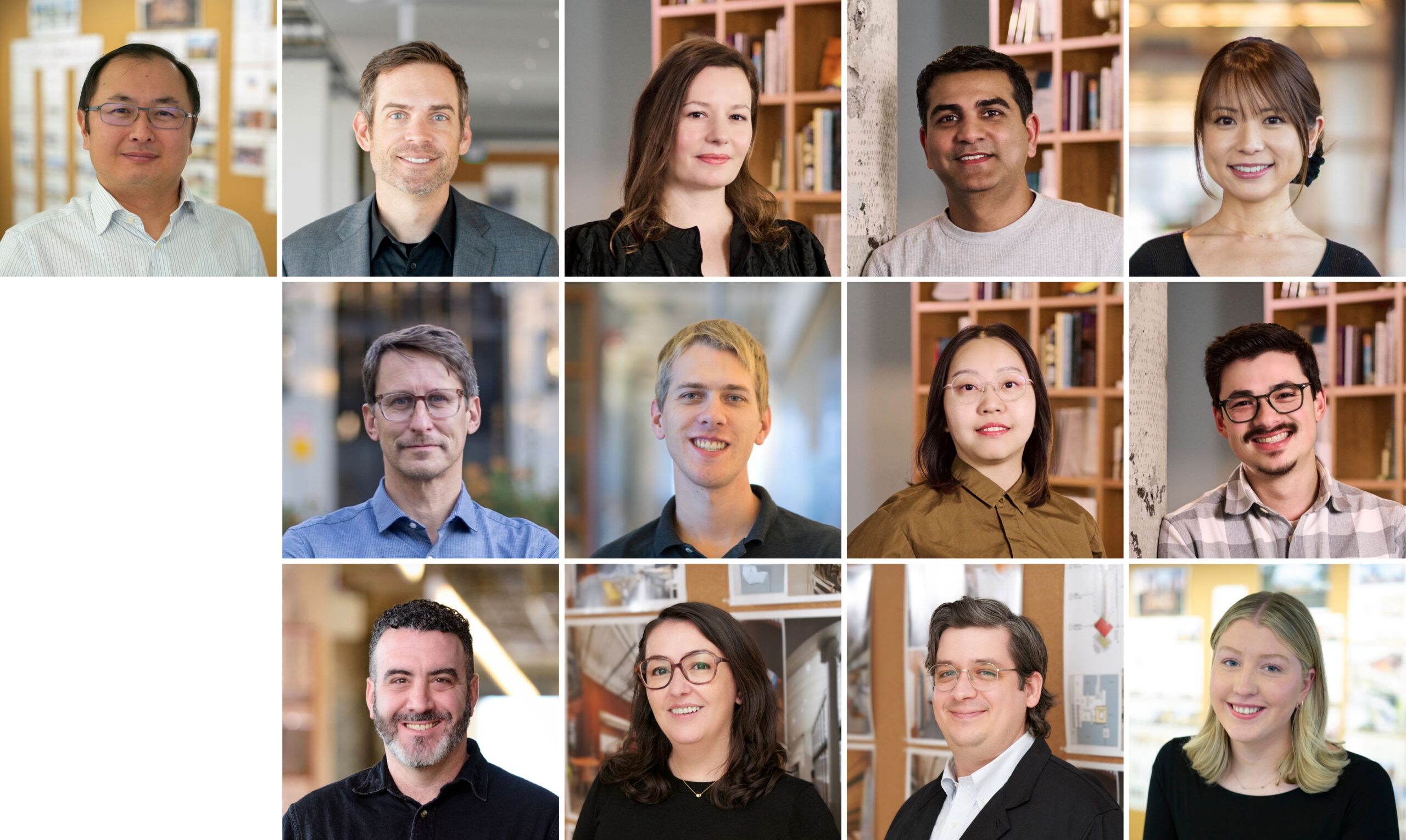
Our new partners—Ben Mickus, Emily Jones, Jonas Kellner, Scott Gillespie, Susanne Susheelan, and Tim Jonas—have led some of WRNS Studio’s most forward-thinking work, from the first project to achieve ILFI Zero Carbon and Petal Certification to a coastal resilience initiative that transforms twelve acres of underutilized waterfront into vibrant public space. They’ve delivered a LEED Platinum headquarters that fuses industrial heritage with a flexible modern workplace, a fully electric community college campus, and one of North America’s largest mass timber projects—advancing adoption of this vital low-carbon material.

The new senior associates are Alonzo Alvarado, Prairna Gupta Garg, Branden Harrell, Ninoshka Henriques, Kayleen Kulesza, Kelly Shaw, Jeremy Shiman, Terra Wegner, Kevin Wilcock, and Wesley Wong. 

The new associates are Loren Heslep, Jasmine Kwak, Bella Mang, Michelle Munive, Brian Ng, Luke Wallace, Nicholas Wiegardt, and Andy Wojnoonksi.

Growth in our DNA: Hands-on, evolving leadership

WRNS Studio’s 2025 promotions bring our leadership to 16 partners, 23 senior associates, and 30 associates—reflecting our non-hierarchical, sociocratic governance model. By distributing authority across an evolving ownership team, we empower leaders to guide projects, initiatives, and core business functions directly. The result? A nimble, innovative practice of incentivized designers driving an average annual growth of 29% since our founding. 

At WRNS Studio, leaders emerge in various, often overlapping ways—by elevating firm culture, modeling a spirit of craft and experimentation, teaching and sharing ideas, excelling in technical problem-solving or management. Some draw with a kind of poetry, beauty, and nuance that reveals the essence and potential of a place. Our 2025 promotions reflect this diversity of leadership talent.  Please join us in congratulating this exceptional group of leaders!


“When the founding partners and I established WRNS Studio in 2005, we set clear goals for the firm’s future. We prioritized meaningful work, broad geographic reach, and financial sustainability. But above all, we wanted to stay closely involved in the day-to-day practice—and to build a studio where the next generation of leadership could grow and thrive. Looking at this group of newly promoted firm leaders, I’m proud to know we’ve accomplished what we set out to do.”

Sam Nunes, FAIA
Founding Partner

For us, architecture, interiors, and urban design are deeply interconnected. Two recent New York projects highlight our holistic approach: Amazon JFK27 transforms an aging department store into a modern workplace, advancing an architecture of repair that values preservation and adaptation over new construction. Microsoft Soho channels the neighborhood’s layered history, bringing the company’s creativity to the street. Both projects engage the city’s energy while interrogating structure, plate configuration, and material strategy to enhance comfort, health, and experience. 

Amazon JFK27

An aging department store becomes a modern workplace

Built in 1914 and located in Manhattan’s Garment District, the Lord and Taylor Building stands as a testament to New York’s rich heritage of innovation and entrepreneurship. The 5th Avenue landmark served as the retail giant’s flagship store for over a century, helping to shape the city’s identity. Now this building has been transformed from a department store into a modern workplace for one of today’s most innovative technology companies.

A spirit of reuse over replacement

Every aspect of the project plays off the New York experience, from materials that echo the neighborhood’s iconic cast iron and steel structures to panoramic views showcasing the city’s enchanting rooftop water towers. The work of local artists celebrates the textile traditions, while artifacts from the former department store enliven new spaces throughout the building.

amazon-hank-solarium-before
amazon-hank-solarium

Community + place

Highly visible from the street, the ground floor accommodates food vendors and restaurants, welcoming both employees and passersby. Several public-facing spaces support partnerships between industry and academia, including the City University of New York (CUNY).

Connection + light

The centerpiece of the project is a grand stair that stretches from the second floor to the rooftop courtyard. This nine-story stair unifies the former department store and connects the building internally with the neighboring Dreicer Building, also renovated as part of the project. 

Capped by a transparent lantern, the staircase channels natural light into the deep floor plates and encourages employees to move about the building. The elegant black staircase recalls Manhattan’s ubiquitous fire escapes.

Artifact + memory

Artifacts and historic details serve as defining features in prominent social areas, inviting people to notice, touch, and tap into the collective stories of this place. Where historic elements were found to be well-preserved, they have been revealed and given new life. For example, cast iron arches and glass windows that once framed the building entry now “fold” down into an arched banquette.

Terracotta found in the ceilings and column capitals, bearing layers of details, have been left exposed.

The overbuild

New dining and event spaces are perched atop the existing structure in a glass enclosed addition anchored by a new terrace and a refurbished sunken courtyard. The terrace invites employees outside with a perimeter pathway, a dog run, and access to the historic courtyard. These spaces bring the Amazon community close to some of New York’s most striking landmarks, including the Empire State Building and the Main Library.

Microsoft Soho

A bold New York presence

Located at the prominent corner of East Houston and Lafayette Streets, Microsoft’s new workplace introduces a fresh and dynamic presence in New York. Visible from the street, the design captures Soho’s rich, textured history while introducing Microsoft’s creative spirit to the community.

New York’s porous universities inspire planning

Microsoft envisioned a community-driven environment where employees and visitors could engage in the broader dialogue spurring innovation in New York. Taking cues from the city’s porous academic environments, design balances vibrant social and collaborative areas with spaces for focused, independent work.

Inspired by the traditional university library, researchers’ workspaces are divided by “stacks”—custom millwork providing storage, whiteboards, and personal libraries. The combination of wood, books, soft lighting, and hidden nooks evokes an academic atmosphere—one that could only happen in New York. 

Materials knit this workplace together

The extensive use of cherry wood ties the interior to the adjacent, iconic brick façade of the Puck Building, creating a warm, inviting “heart” visible from the street. Rough concrete tile wraps around the building’s core, reflecting the urban character and energy of the surrounding neighborhood.

Vertical connectivity

A dynamic communicating stair links the floors, creating a fluid connection between different work modes and levels. Crafted from blackened steel and stainless steel cable, the stair nods to Soho’s iconic cast iron buildings and fire escapes, paying homage to the neighborhood’s rich history of creativity and craftsmanship.

The Garage: a public-facing innovation hub

Located on the second floor—the building’s largest floorplate—The Garage is a flexible, multipurpose event space designed for public engagement, with direct access from both the street and lobby.

This space also serves as a dynamic maker space and learning lab where employees can experiment. Retractable walls allow The Garage to expand into adjacent spaces, including a multipurpose theater that accommodates up to 120 guests.

Gathering and dining

The sixth floor serves as a central gathering space where employees can dine and relax. A casual tea room opens onto a large wrap-around terrace, offering flexible seating and tables that can be easily reconfigured for any group size or event.

Enduring Appeal

In our experience, craft, technical innovation, and sustainability go hand in hand. When we create environments that perform exceptionally, spark creativity, and foster affection—especially when rooted firmly in place—they often endure. Attached to a layered and well-considered space, users are more likely to refresh it minimally, and only as needed, than replace it. This design ethos minimizes carbon and waste while fostering longevity.
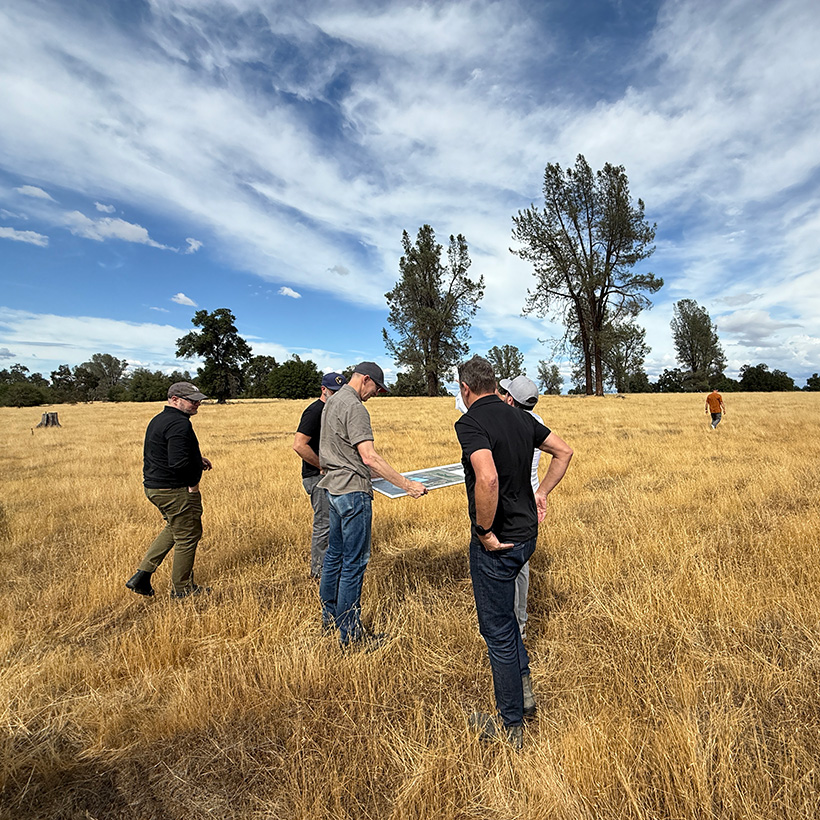
A collaboration between architects, educators, students, and manufacturers

Organized by WRNS Studio, Pacific Clay Brick, and Cal Poly College of Architecture & Environmental Design, the Architectural Brick Workshop brought together educators, students, architects, and manufacturers to investigate new possibilities with architectural brick. Students examined the relationship between craft, fabrication, and the calibration of unique visual and textural effects at multiple scales.

Organized as a series of charrettes at Pacific Clay’s Southern California Production Facility and Cal Poly’s campus, the workshop immersed teams in hands-on experimentation with the tools and processes of brickmaking.


PHOTOGRAPHY

Ryan Gobuty, Ben Mickus, Mila Kim, Josh Higgins, Mark Cabrinha,
Celso Rojas

The prompts: exploring different scales and uses

Brick has many elemental qualities; earth, water, fire and air are all intimately involved in its creation.  Likewise, the workshop encouraged elemental thinking about design, using clay brick as a medium.  

Students were given a series of prompts—like design at the scale of a brick and at the scale of a wall—to explore through conceptual sketches, prototype formwork, mock-up scale installations, and design drawings.

Participants were introduced to color and texture, uniformity and variegation, pattern, proportion and scale of an individual brick and a field of assembled bricks. Topics of structure, aperture, planarity and distortion were discussed in the context of human scale and placemaking.

During one week at Cal Poly, each group designed and built a custom formwork element, as part of a conceptual brick wall design. Then over 100 students boarded charter buses bound for the Pacific Clay Plant.

The groups arrived at Pacific Clay with their formwork creations in hand, ready to spend the day learning about the process of brick-making and going to work making some custom bricks of their own.

Pacific Clay plant visit

Pacific Clay was established in 1892, and has been in continuous operation for over 130 Years.  Today, Pacific Clay Products is a leader and innovator in the clay brick manufacturing industry.

In the late 1800’s, the discovery of high quality clay and coal deposits near Alberhill, California led industrialists to this area in pursuit of raw materials for numerous fired ceramic products. This clay is geologically unique in that both sedimentary (lake, stream, or ocean deposits) and metamorphic (altered in place) clays are present. This allows for the necessary blending to make many different ceramic products. There is no other deposit of clay like this in the world. These clays are over 200 million years old! The Alberhill area has supplied clay for fine pottery, clay sewer pipe, face brick, brick pavers, roofing tile, clay pots, firebrick, lignite coal, and modeling clay. 
The action-packed 5-hour visit served two purposes for the workshop. First, the students were given an in-depth tour of the facility, with each step in the brick-making process explained, and often demonstrated, by the Pacific Clay team. Second, the student teams gathered at a row of stainless steel work tables, and using their own formwork along with a variety of specialized tools provided by Pacific Clay, made their bespoke bricks. 

Fabrication

Previous Slide
Next Slide
Working with wet clay “slugs”
Fitting the clay into the formwork
Wire cutting
Hand cutting & texturing
Finishing touches

Presentation: crafting ideas into reality

In the weeks following the brick making session, Pacific Clay’s team dried and fired the prototype bricks while the students documented their brick design with a series of drawings and diagrams. Integrated into the second-year architectural technology curriculum, the workshop challenged student teams to demonstrate how their prototype bricks could be used in distinct architectural wall applications. 

Each team illustrated their concepts with initial sketches and individual brick module shapes augmented by plans, sections, elevations, and axonometric diagrams, exploring how their custom brick modules could translate into real-world construction.

When the students received the final products they had created themselves, the thrill on their faces was unforgettable! The bricks were assembled and arranged together with the presentation drawings, and the next few hours were spent talking about design possibilities with the Cal Poly faculty, along with the WRNS Studio and Pacific Clay teams.

See more of the students’ work here.

Student Work

Previous Slide
Next Slide
Ripple
Joshua Flynn, Madi Li, Peyton McLeese, Juliette Mendoza, Hazel Ross
Ellipti-Brick
Eleanor Vickery, Katherine Lee, Siena Lopez, Elijah Harris
Ripples
Gabriel Koren, Avery Loll, Alex Luis
The Interlock(s)
Danielle Bergstrom, Kieran Derrington, Max Dennison, Zach Evans

Brick design in practice: Elco Yards, Redwood City, CA

At WRNS, practice and academia are a virtuous cycle. We initiated the Architectural Brick Workshop following years of collaboration with Pacific Clay, most recently on our work together at Elco Yards, where brick features prominently. Read more about this project here.

“Architecture is the transformation of a worthless brick into something worth its weight in gold.”

Alvar Aalto

Read more about the El Camino Health Behavioral Health Services Taube Pavilion, featured in The New York Times.

Steps from a regional transit hub and San Mateo’s thriving downtown, Brickline—a mix of housing, offices, and retail—anticipates the trend of city dwellers migrating to urban villages outside of major cities.

Read more on Architectural Record

Intuit

Read about The Architect’s Newspaper’s studio visit, highlighting WRNS Studio multifamily housing, life sciences, and workplace projects across Honolulu, New York, and the San Francisco Bay Area.

Read more on AN