Zions Bancorporation Tech Center

Where innovation, community, and nature converge

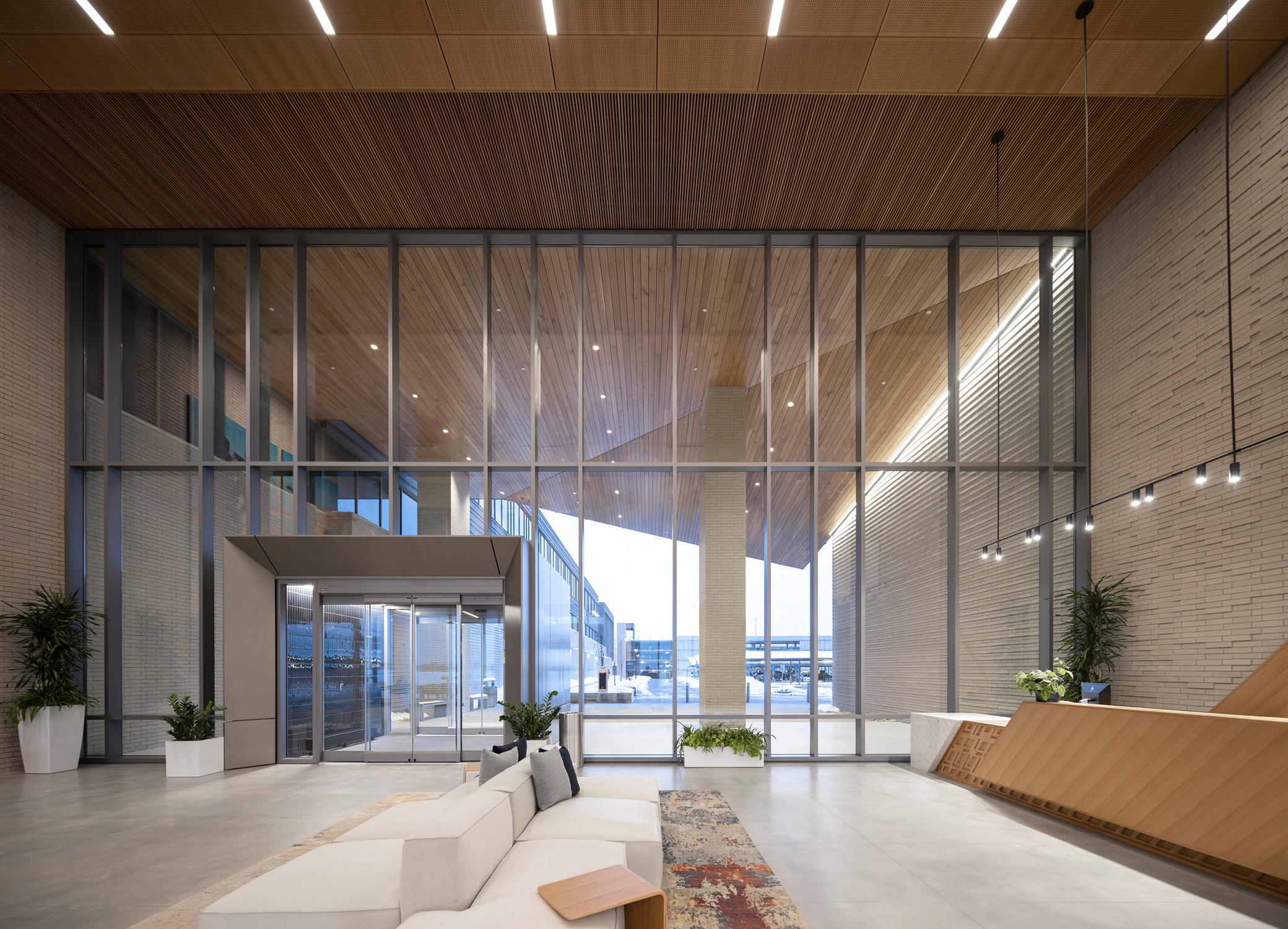
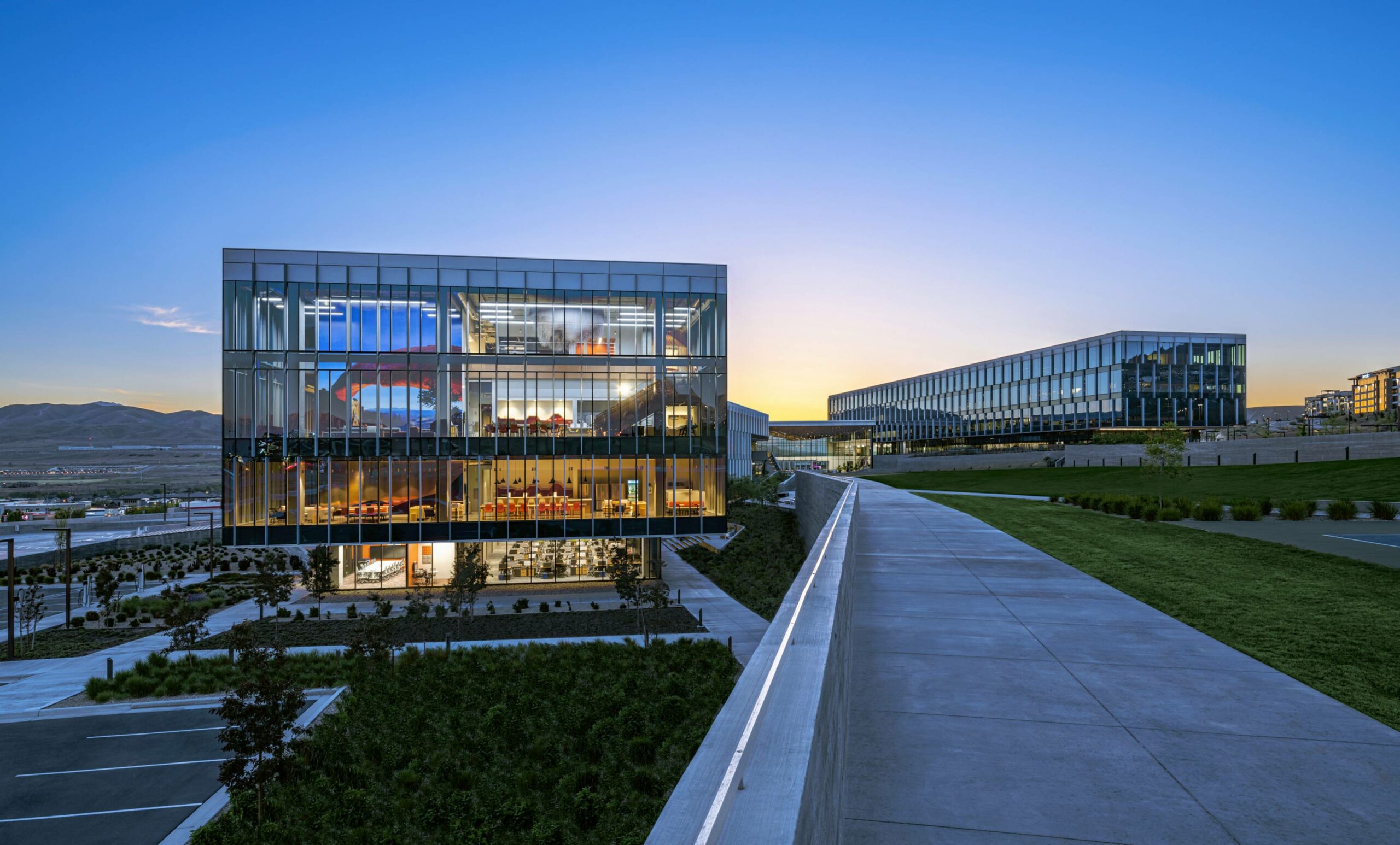
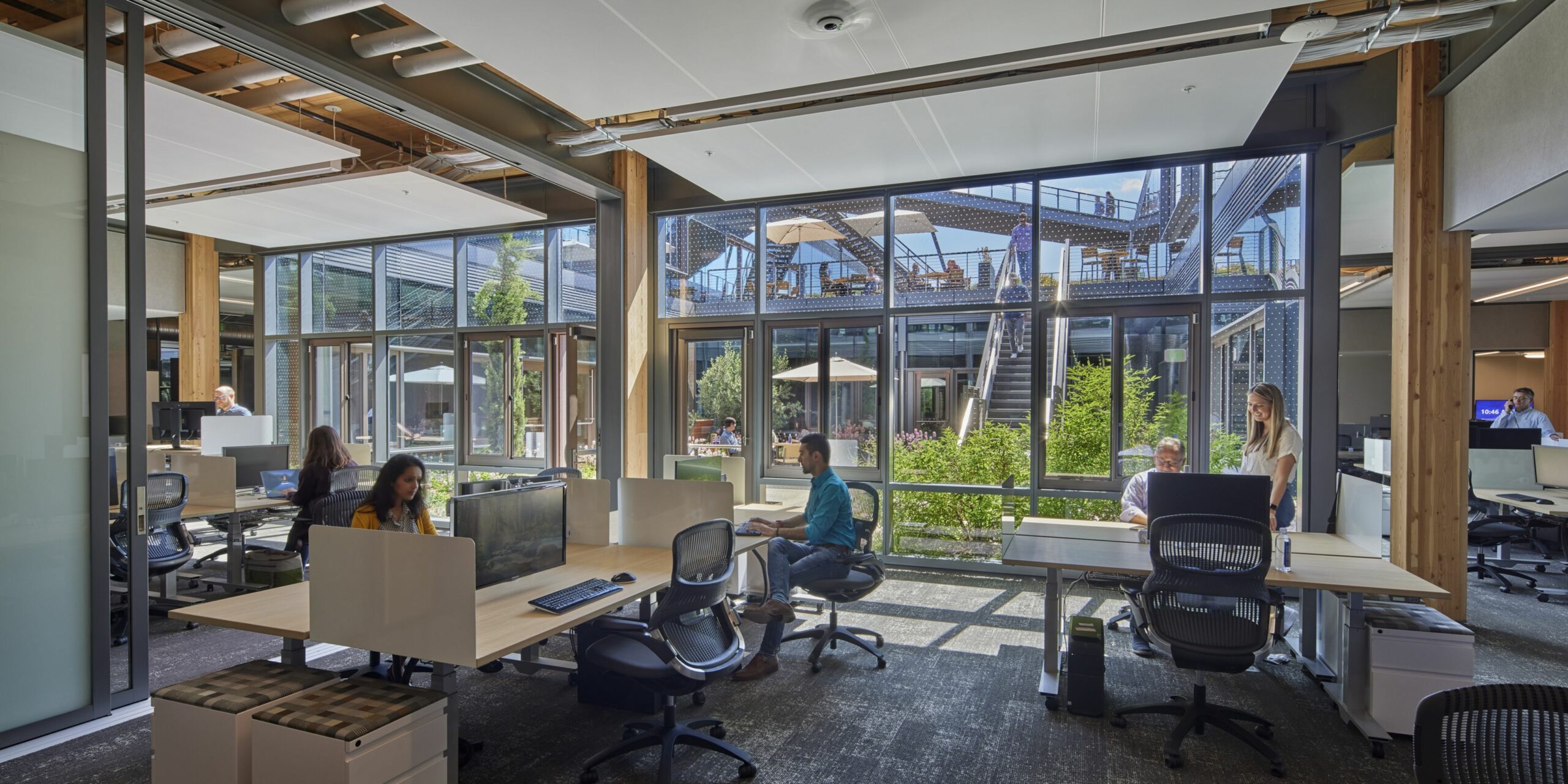
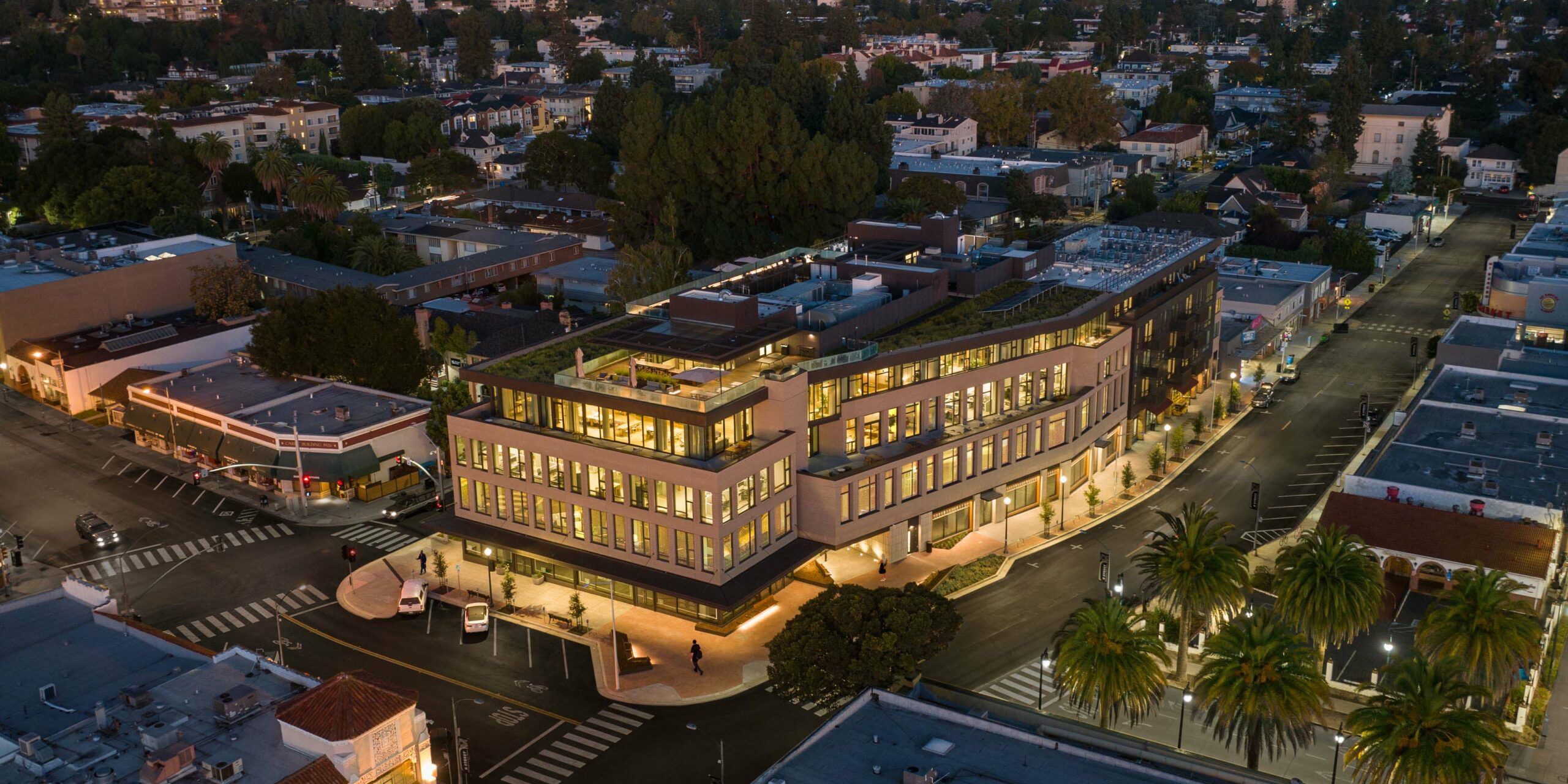
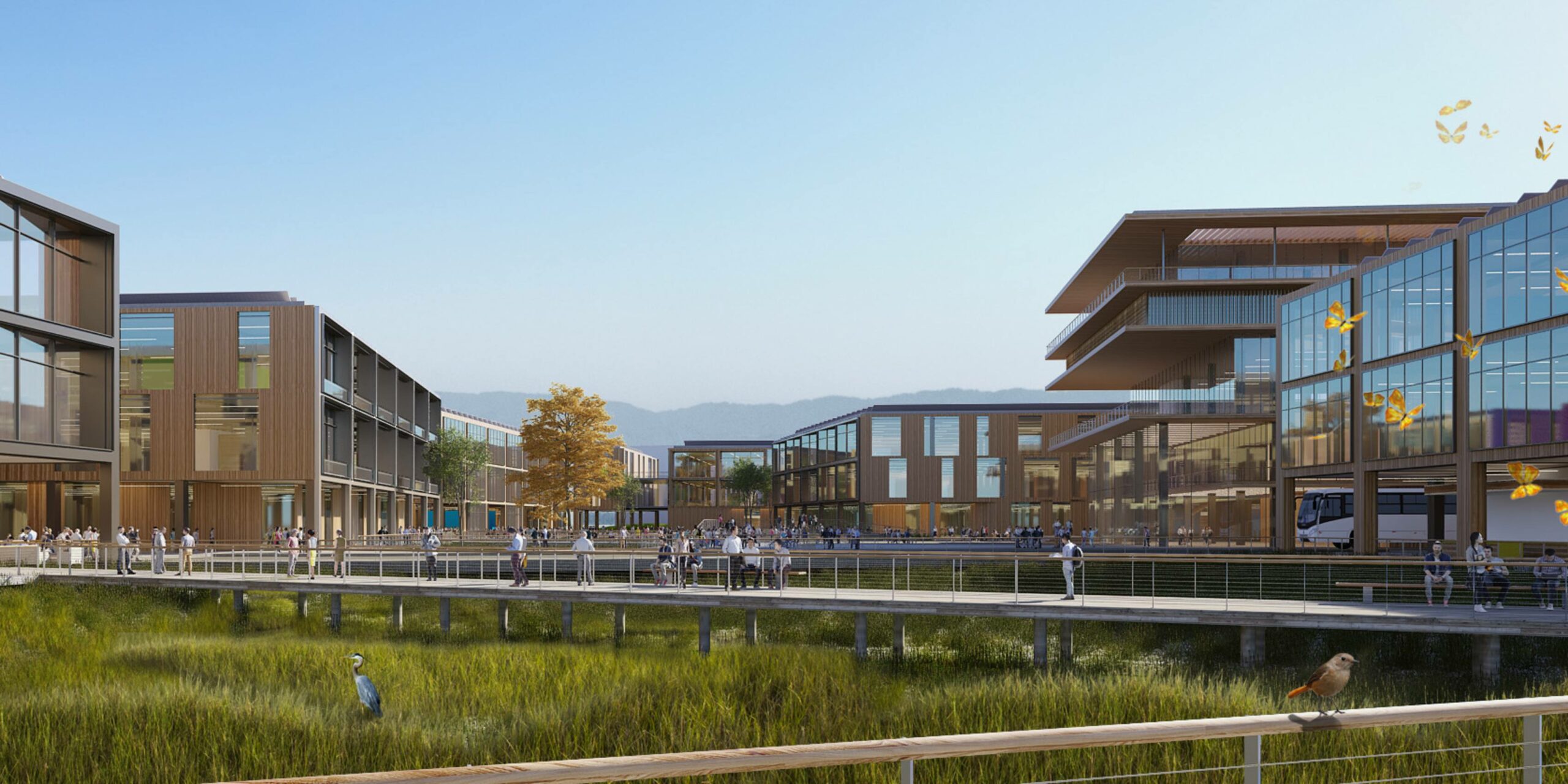
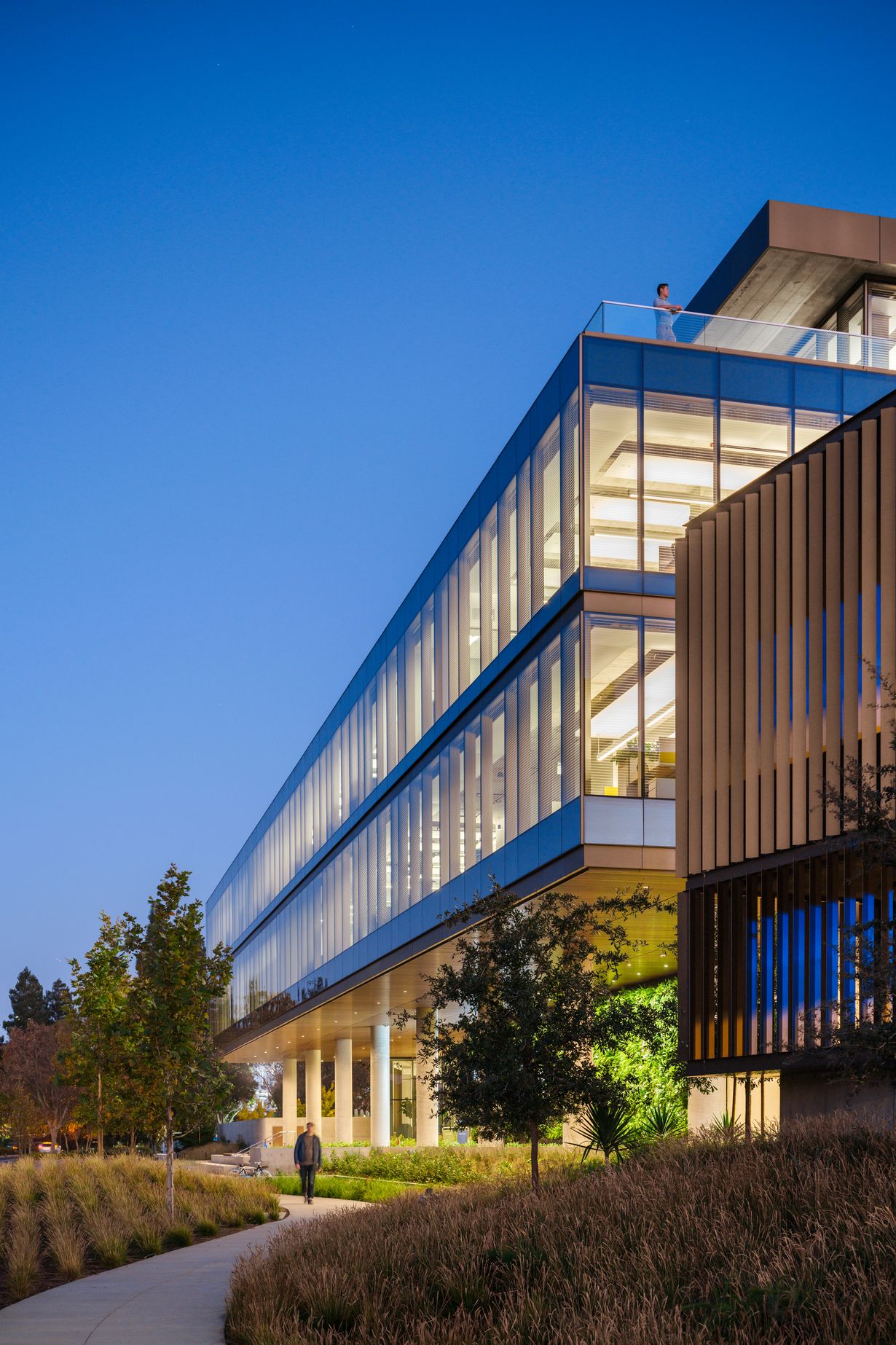
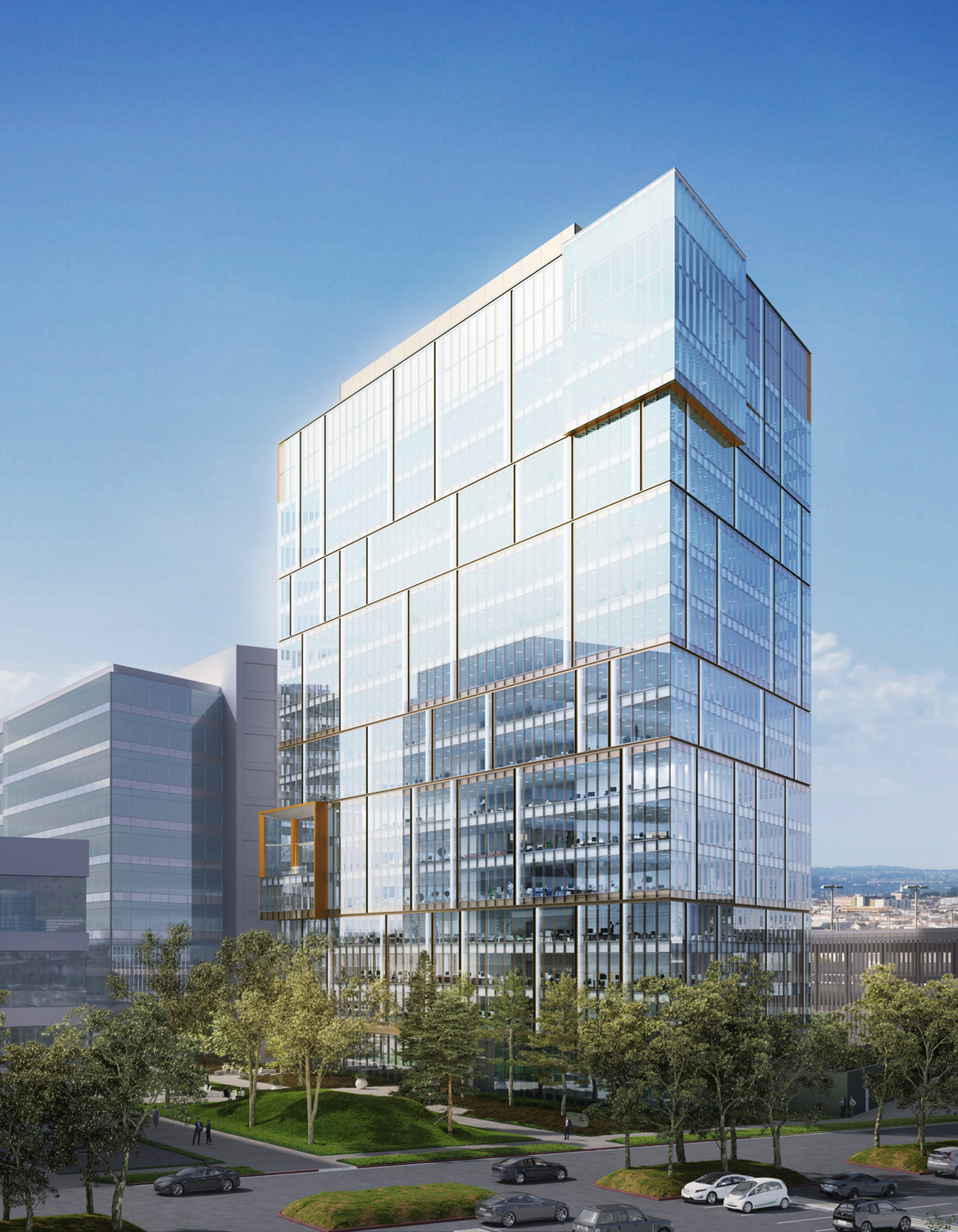
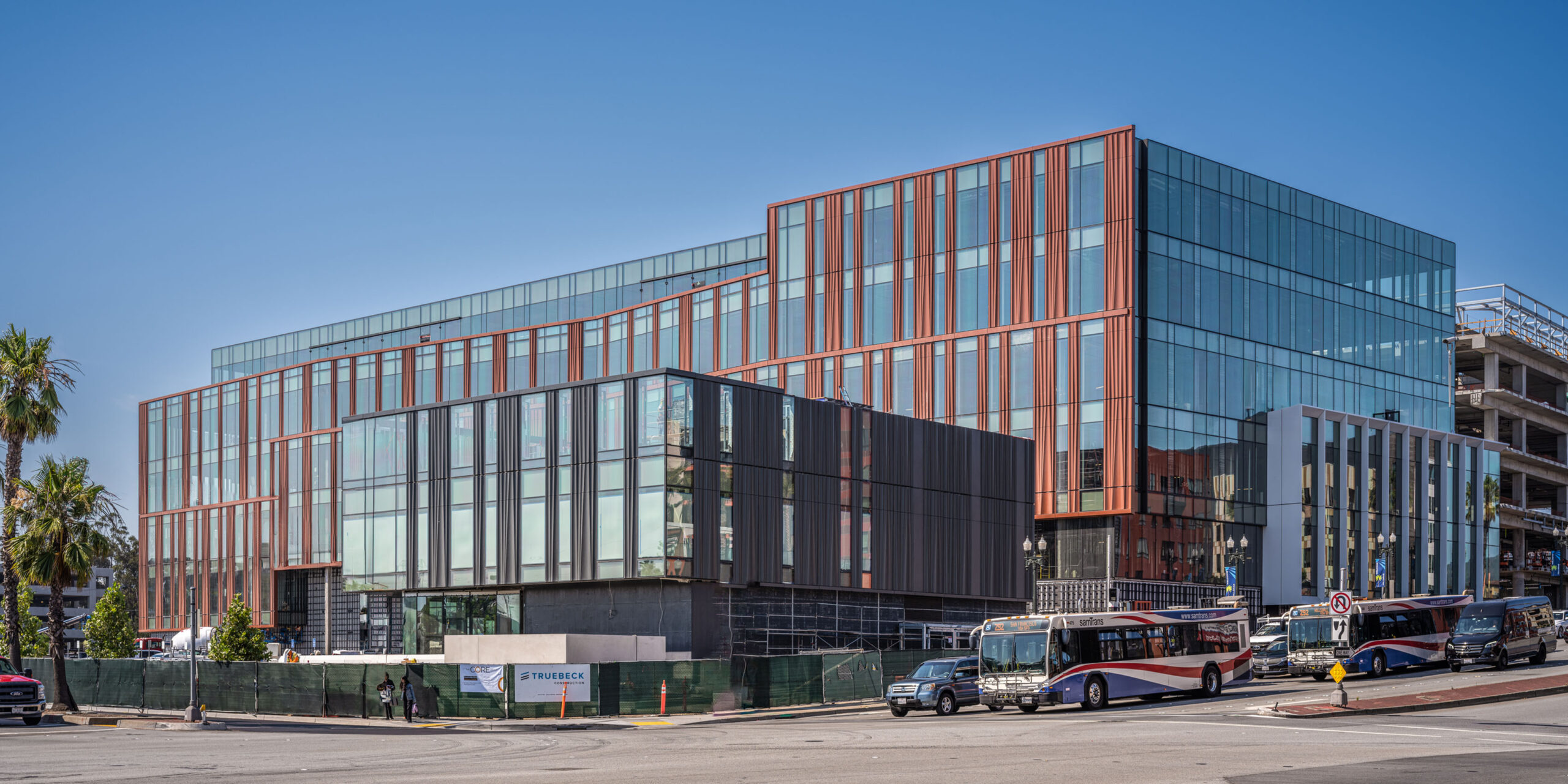
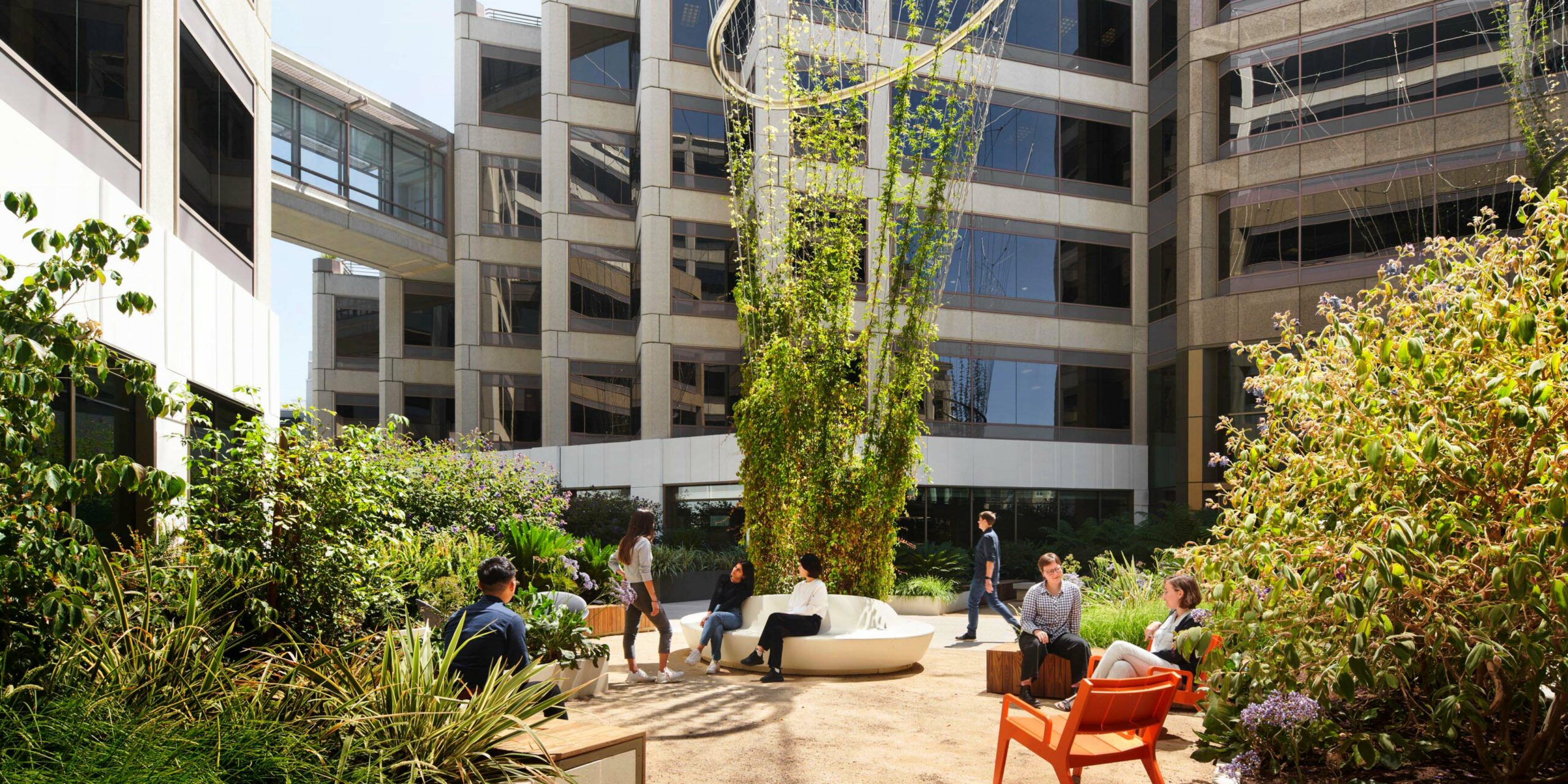
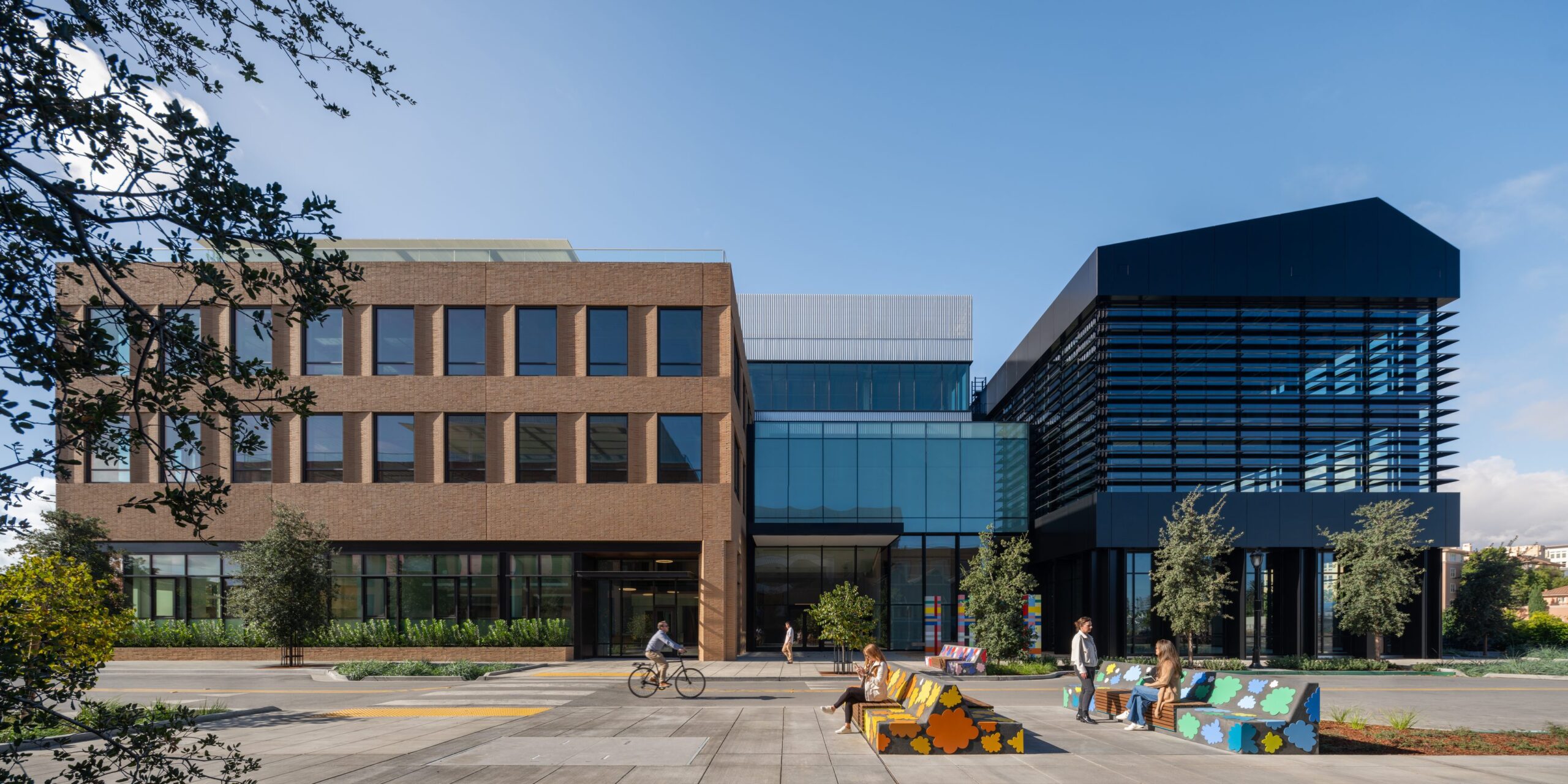
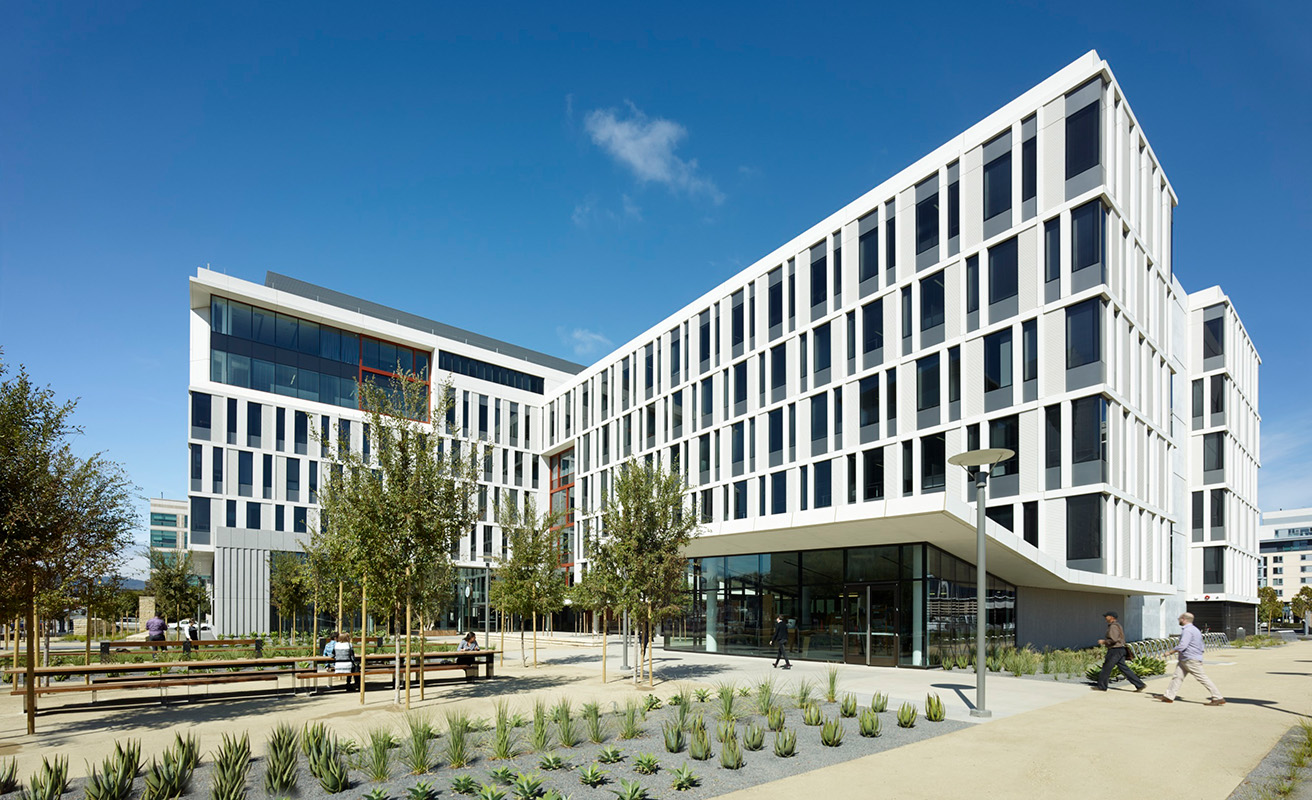
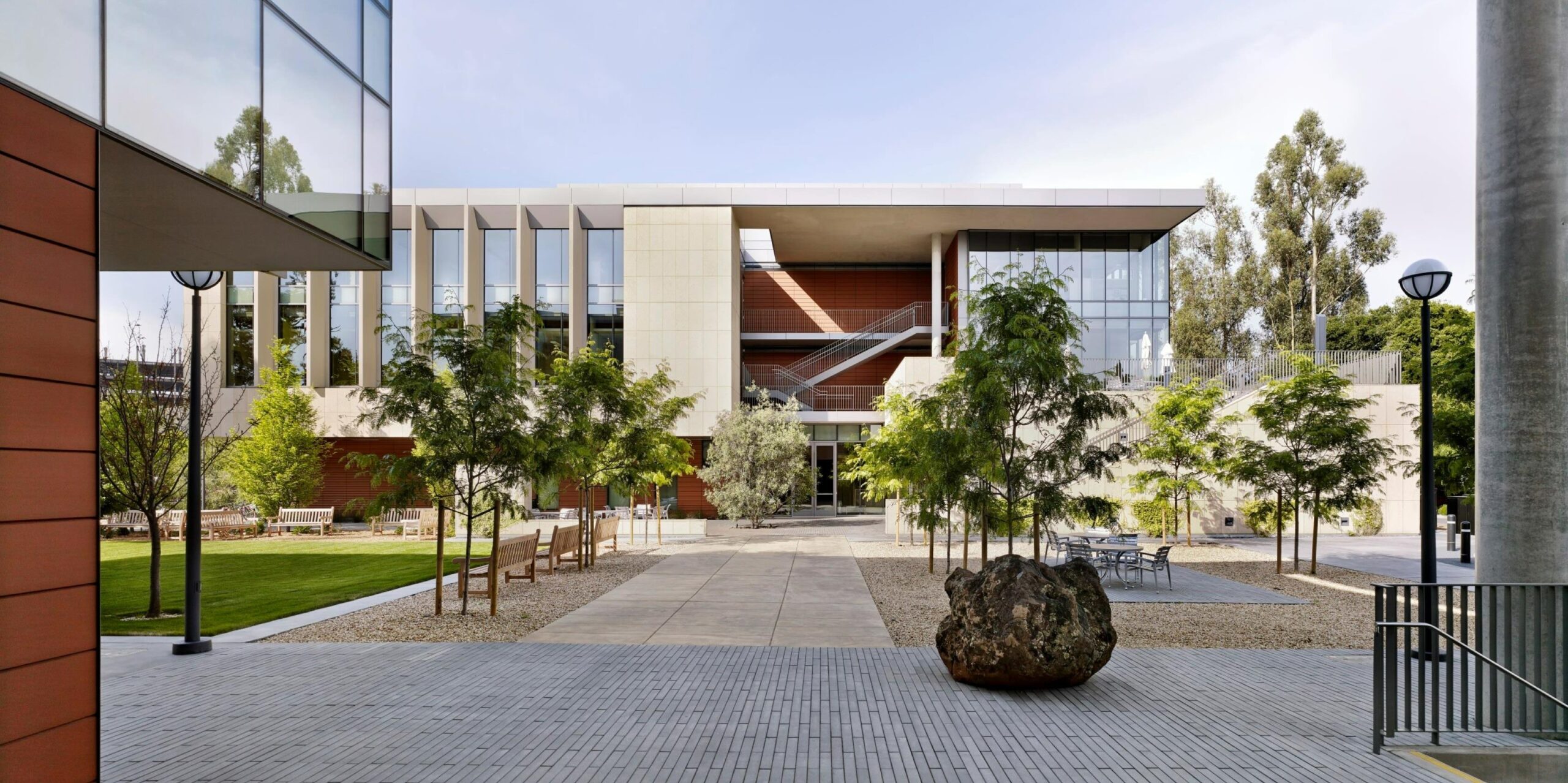
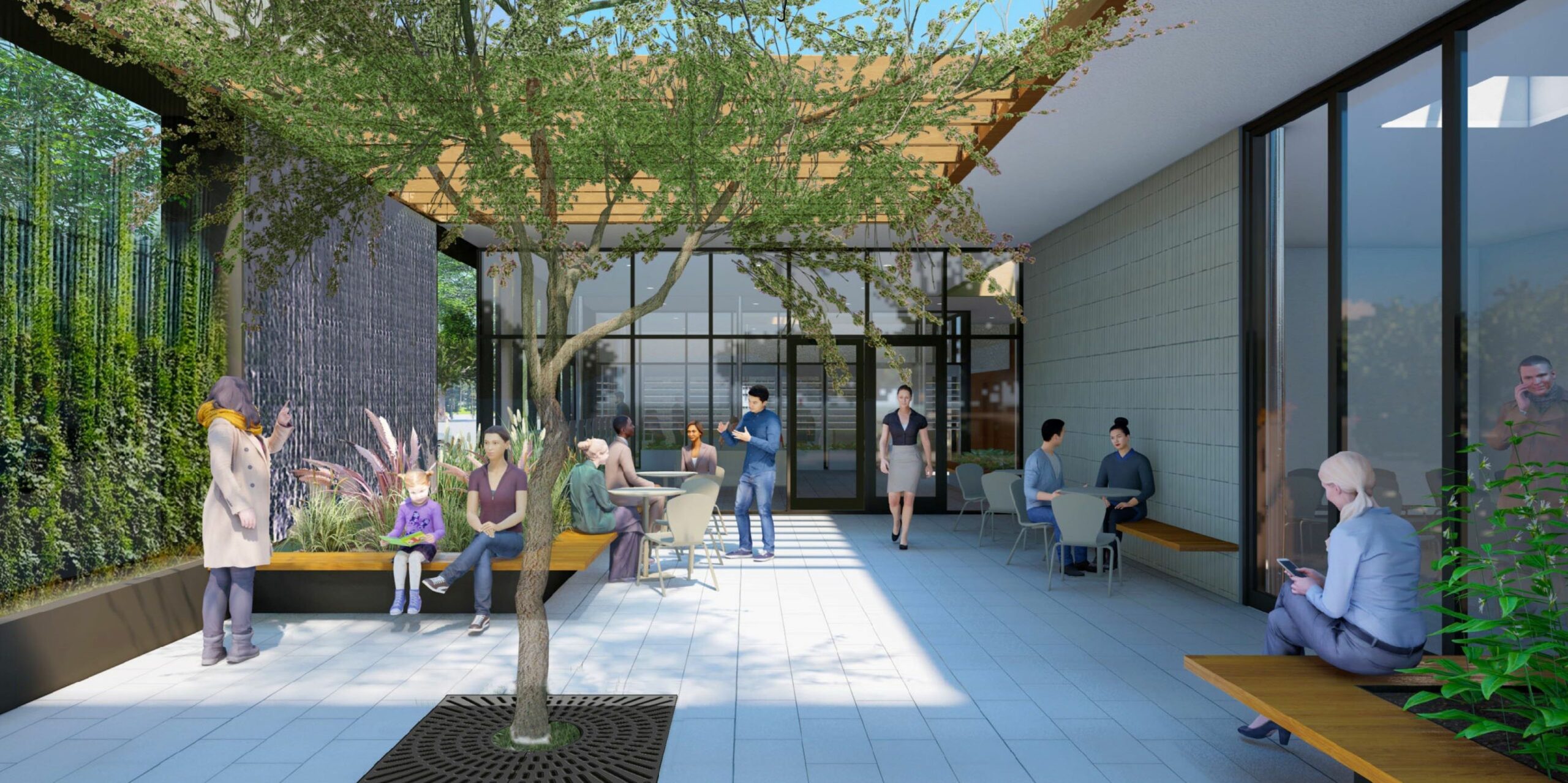
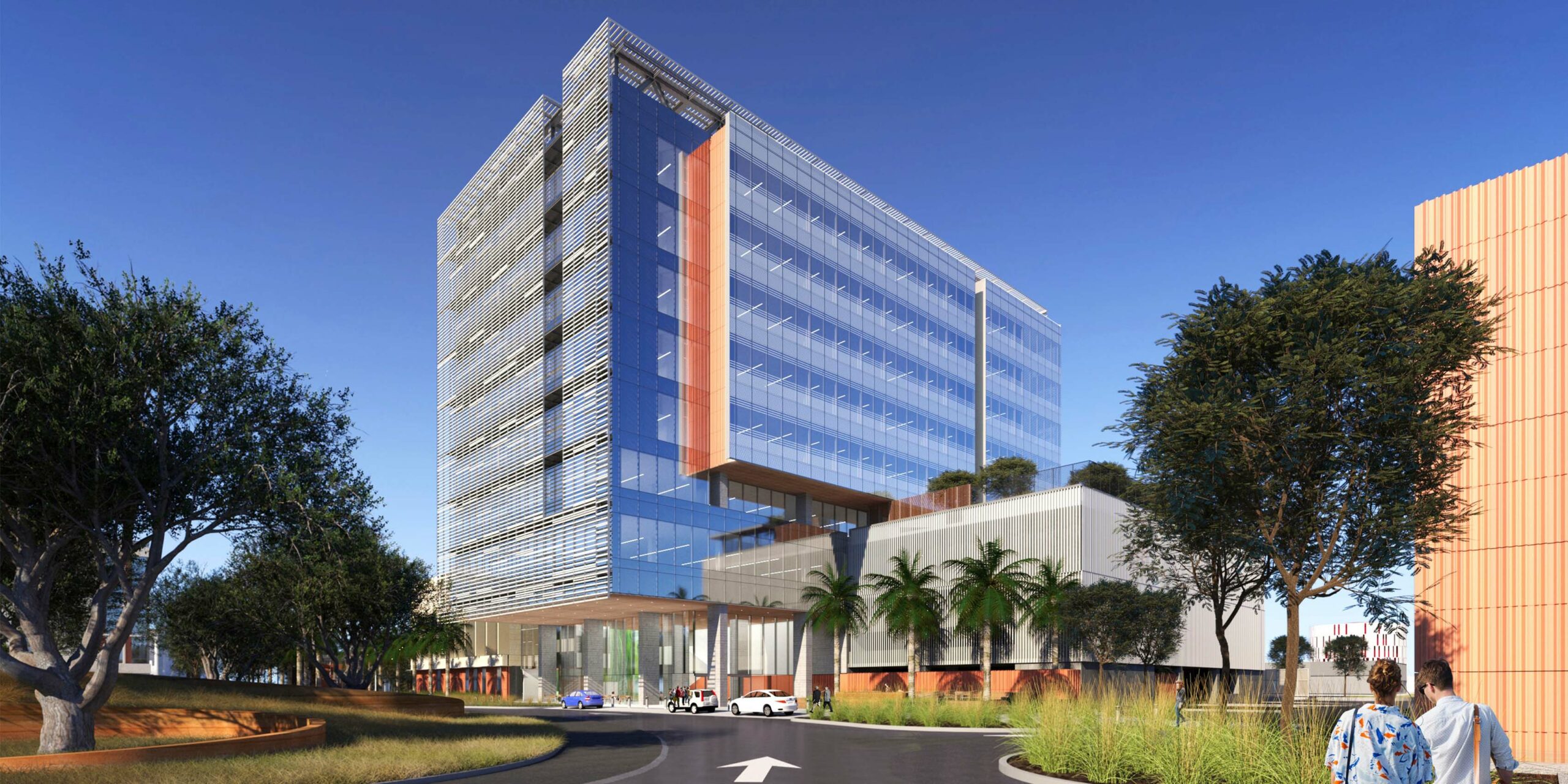
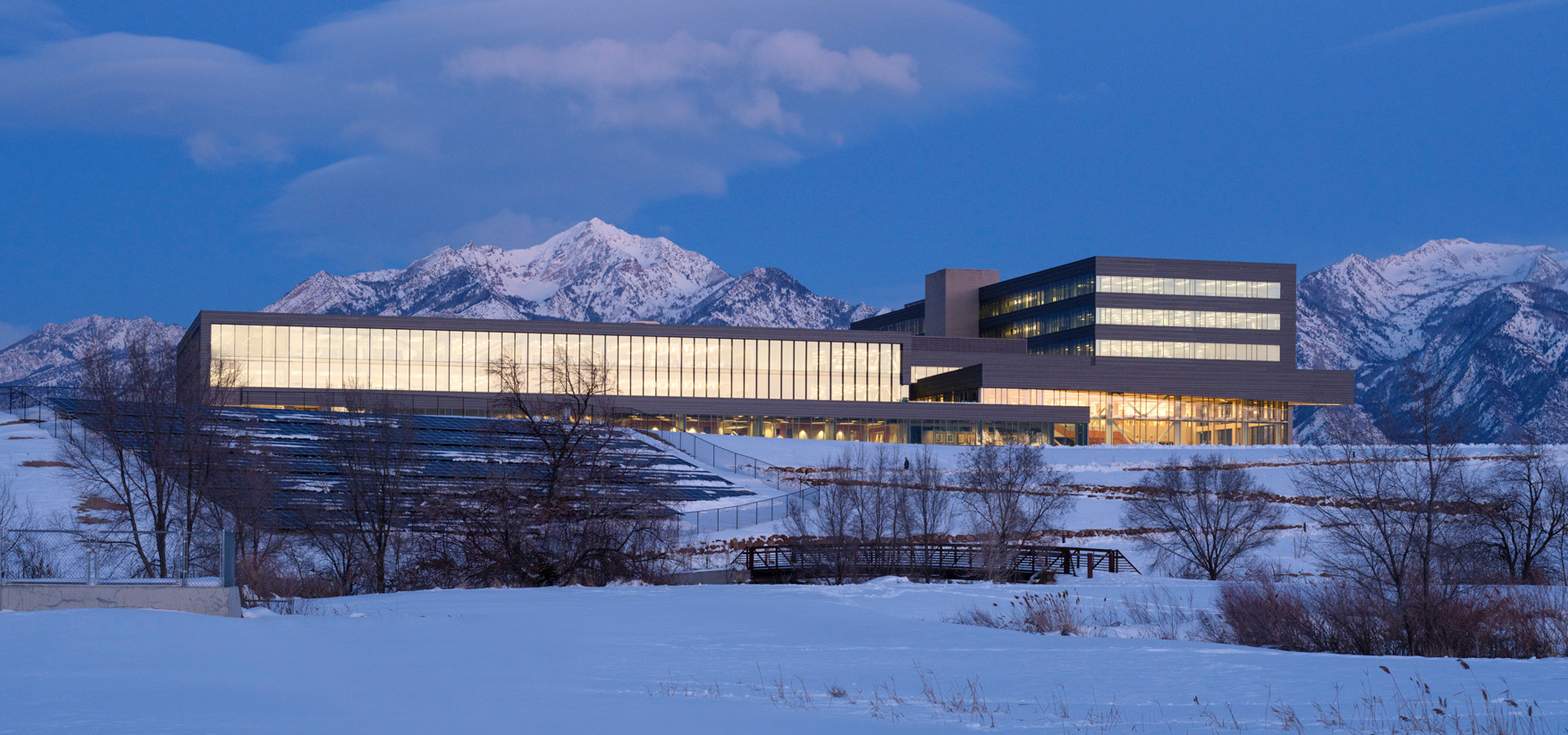
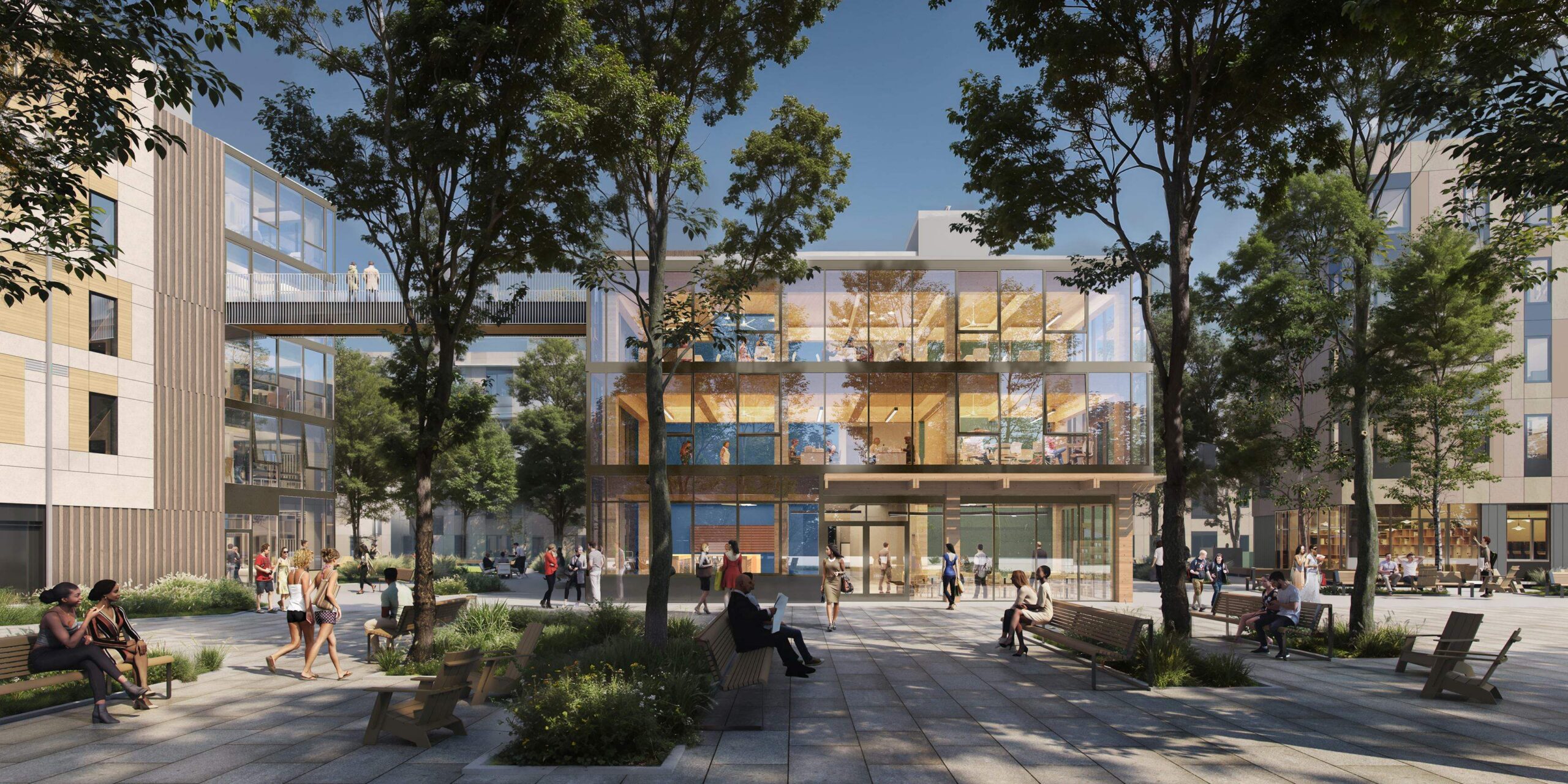
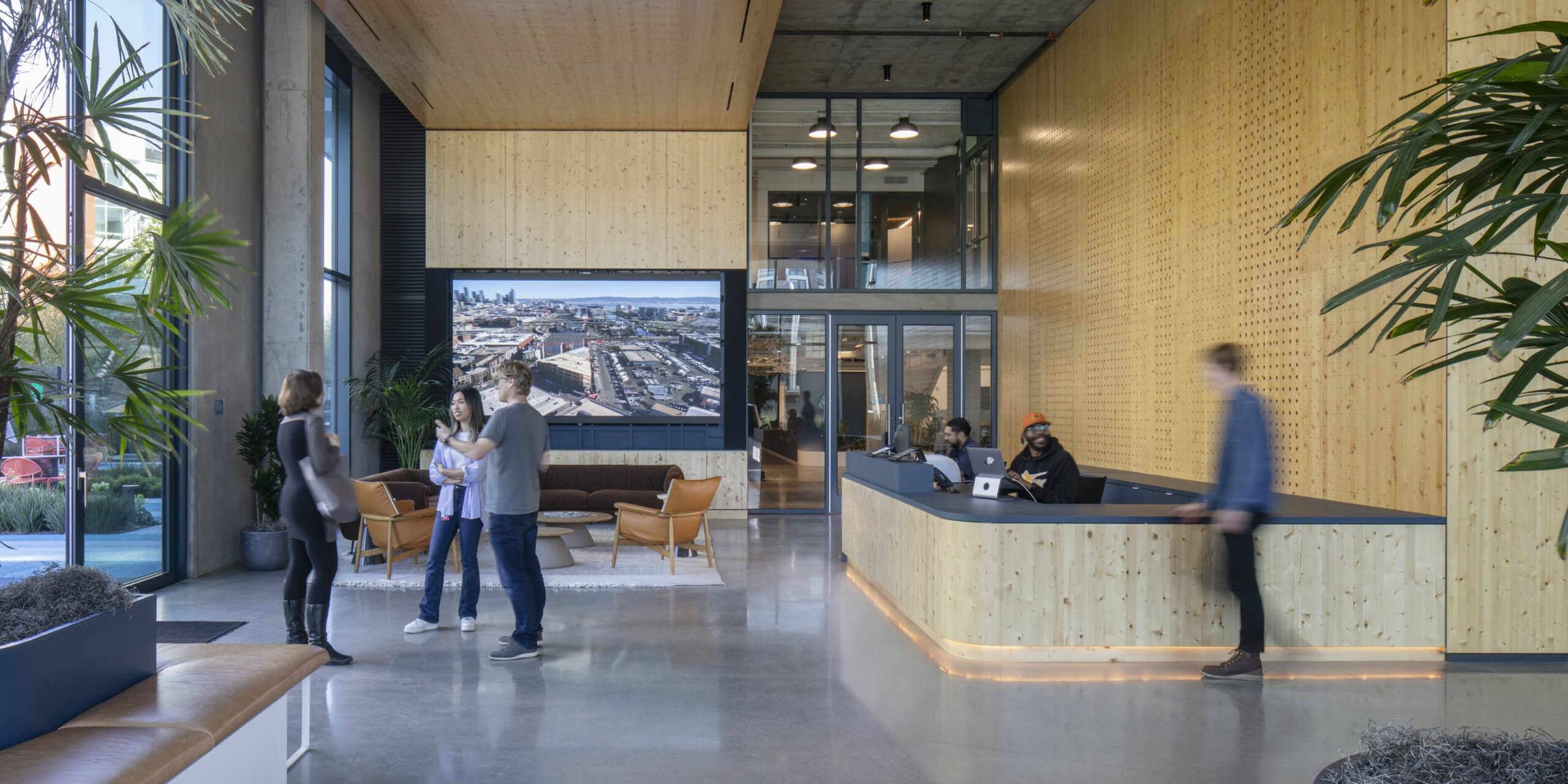
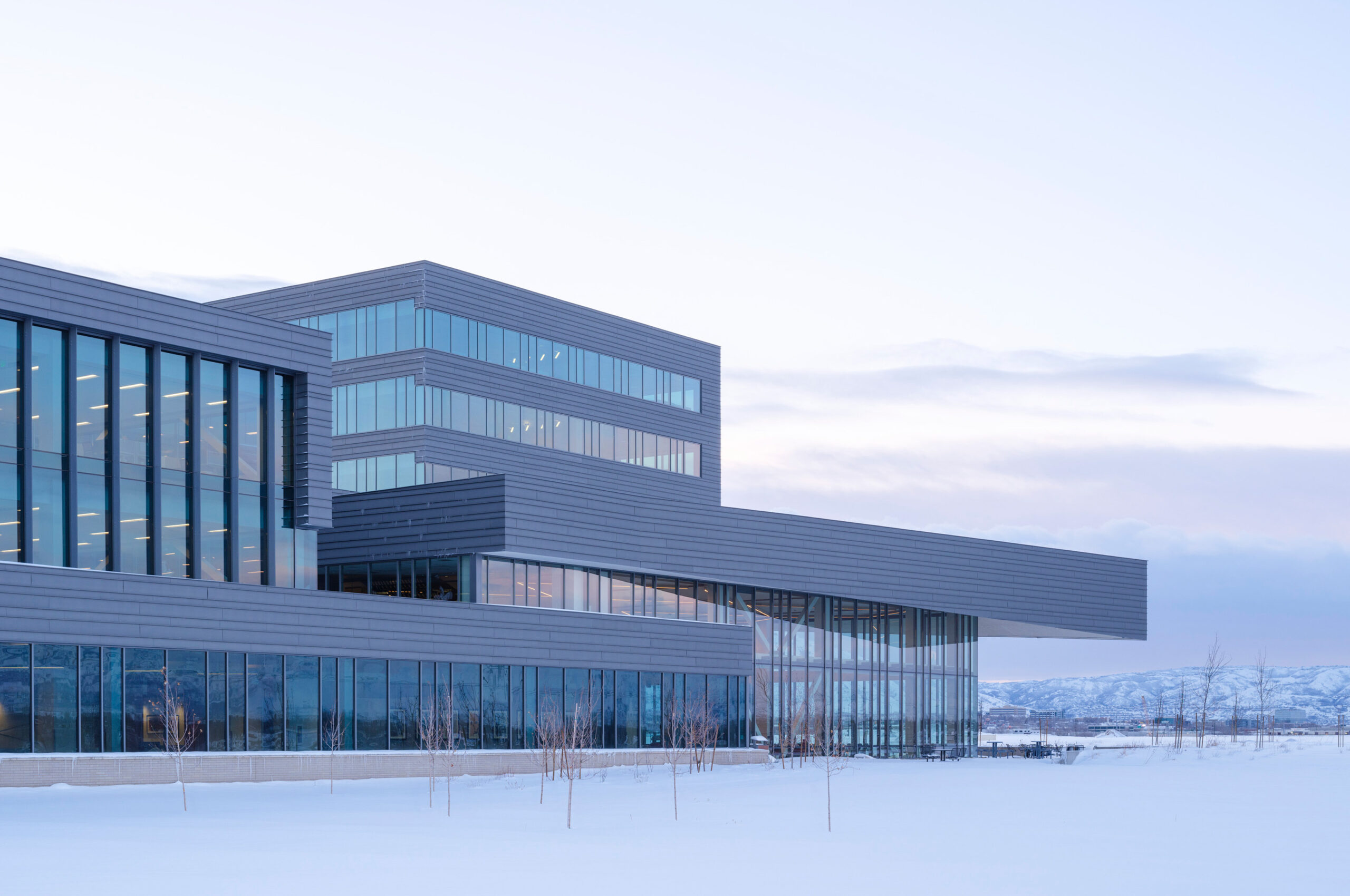
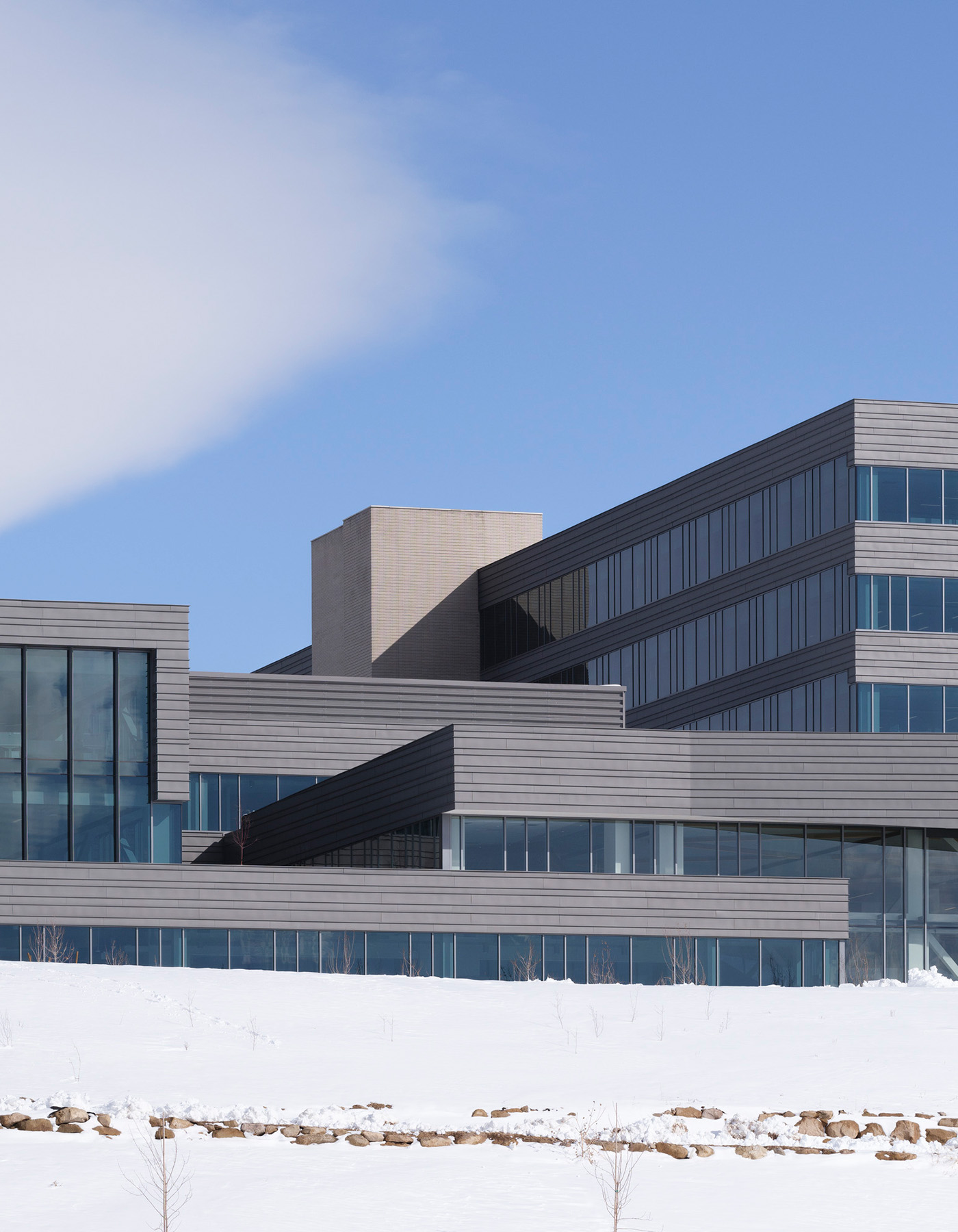
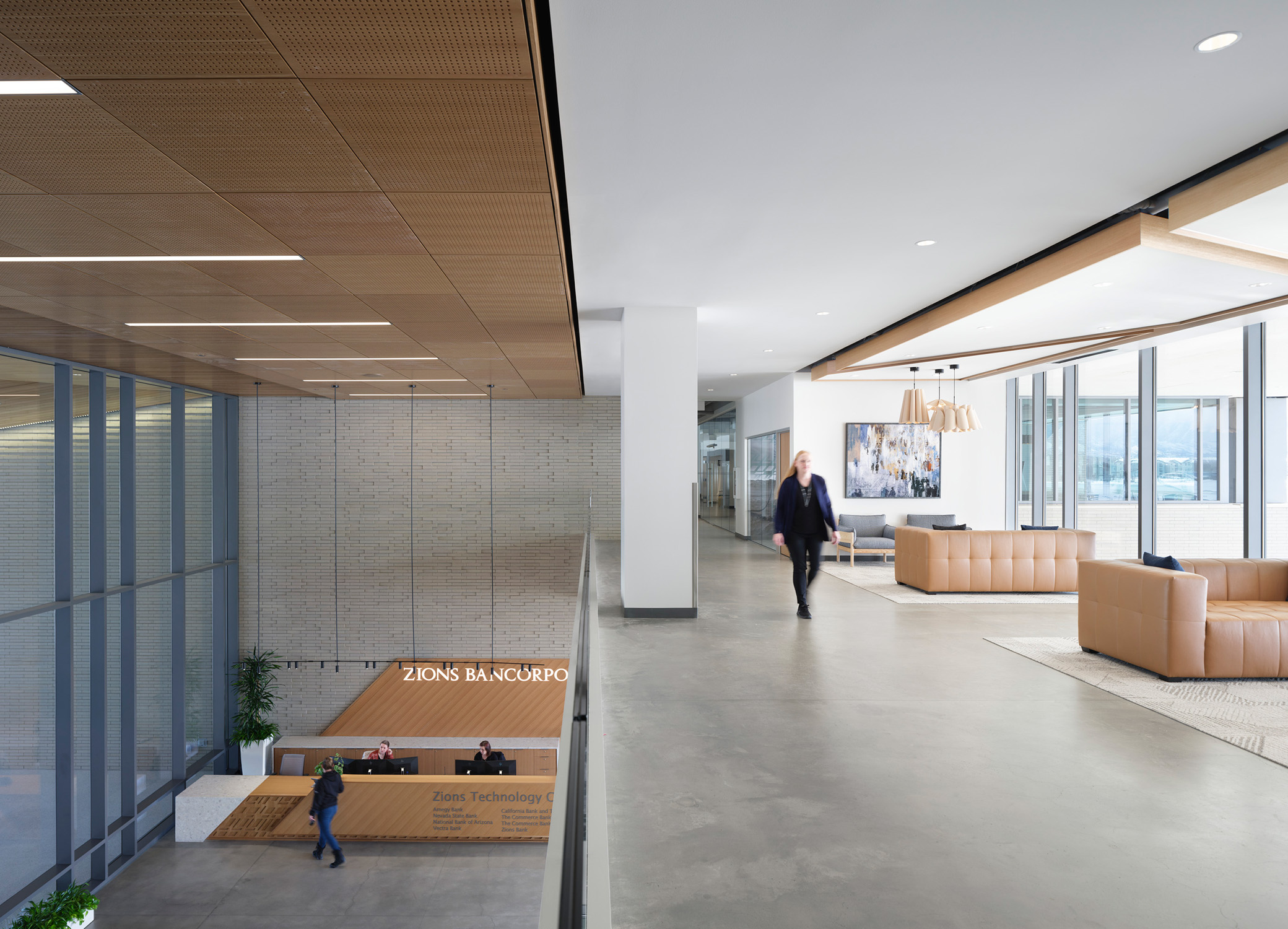
The Tech Center consolidates numerous departments that were formerly dispersed across smaller offices throughout the Salt Lake Valley, supporting growth and innovation for one of the nation’s leading financial institutions. Broad floors support team building and collaboration, while smaller plates accommodate focused work. Courtyards cut into the larger plates provide employees with natural light, views, and access to nature.

Eschewing the typical suburban developments—offices surrounded by a sea of parking—the Technology Center anticipates future density, while enhancing connections to nature. The site preserves open space for habitat restoration while establishing seamless connections to the Jordan River Trail and nearby transit. A new public park and pedestrian-friendly street add vibrancy and community appeal. 

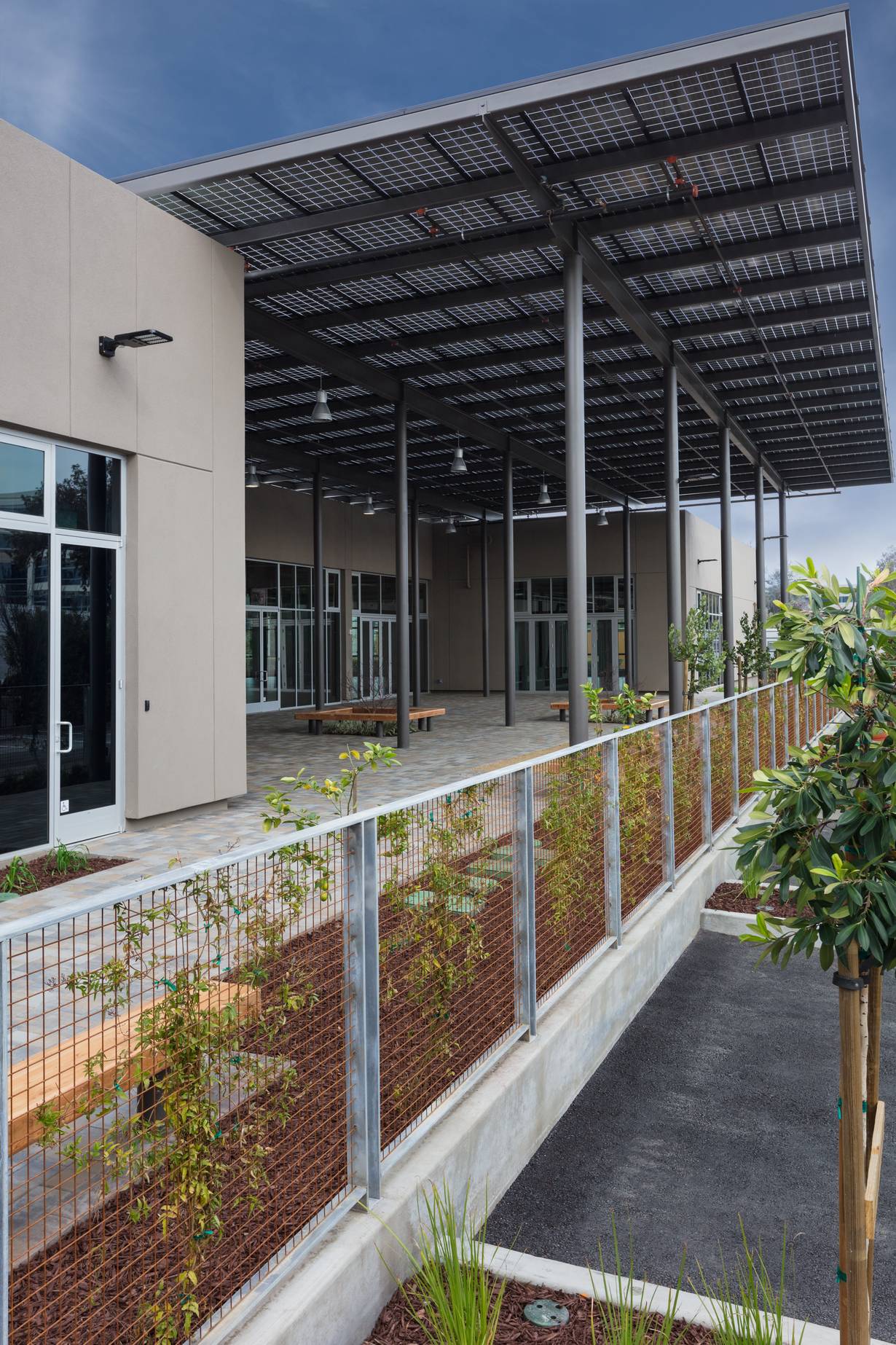
To support Zions’ Net Zero Energy goals, over 2,000 photovoltaic panels offset 75% of the building’s energy use, saving an estimated 4.9 million pounds of CO2 annually. The campus also includes 179 electric vehicle charging stations, promoting sustainable transportation choices.
Zions Bancorporation Tech Center

Learning, creativity, and community: the hero’s journey

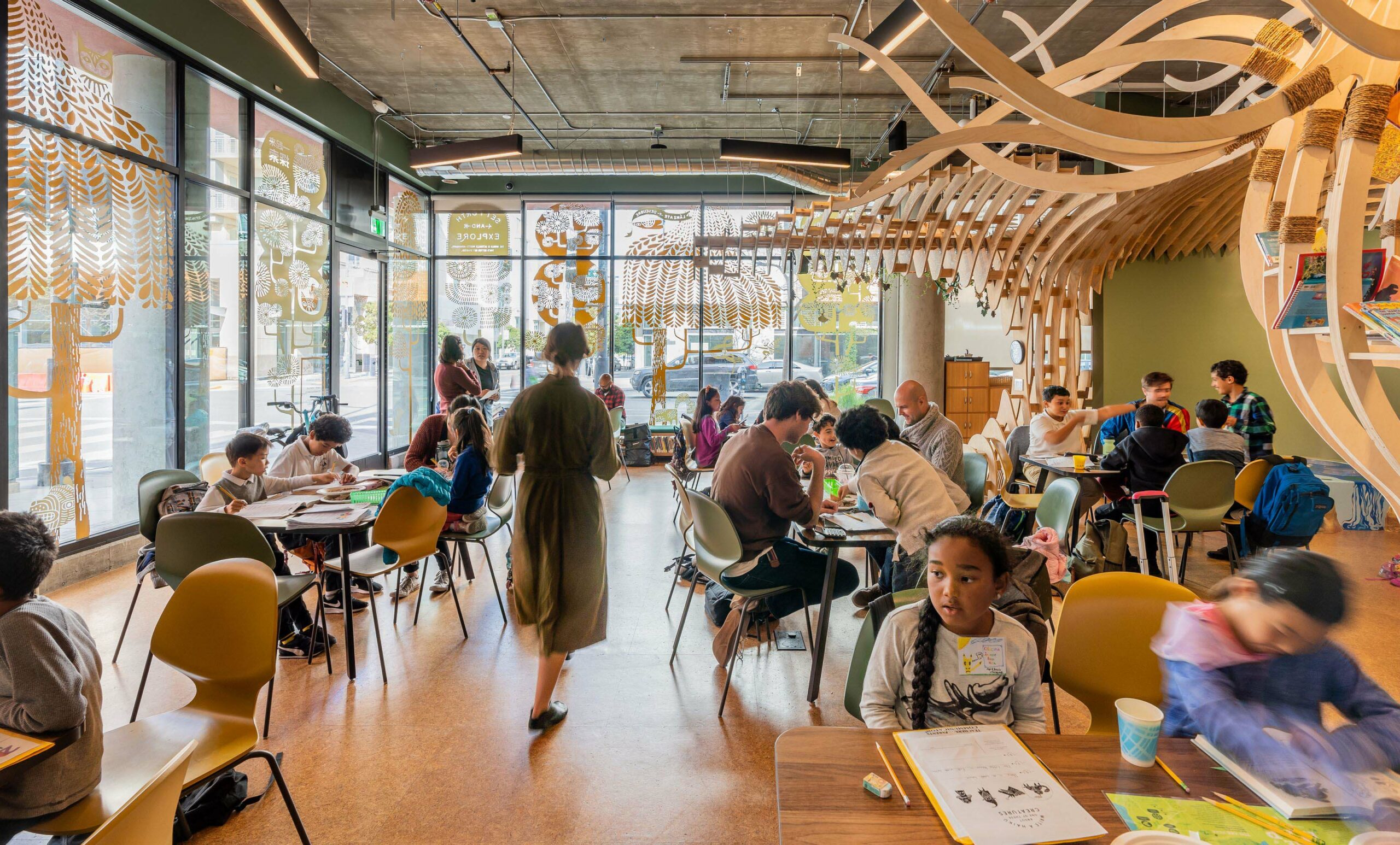
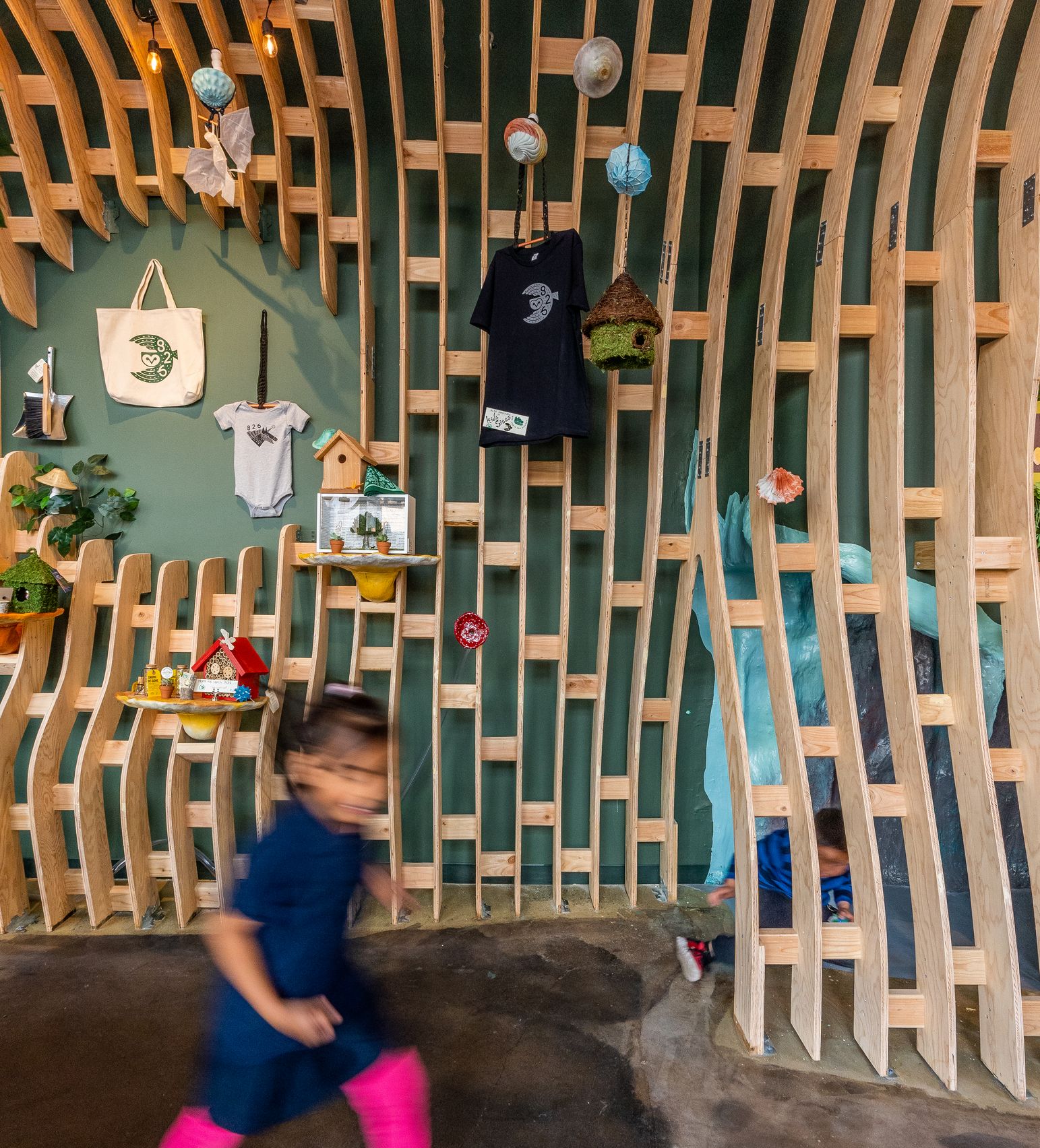
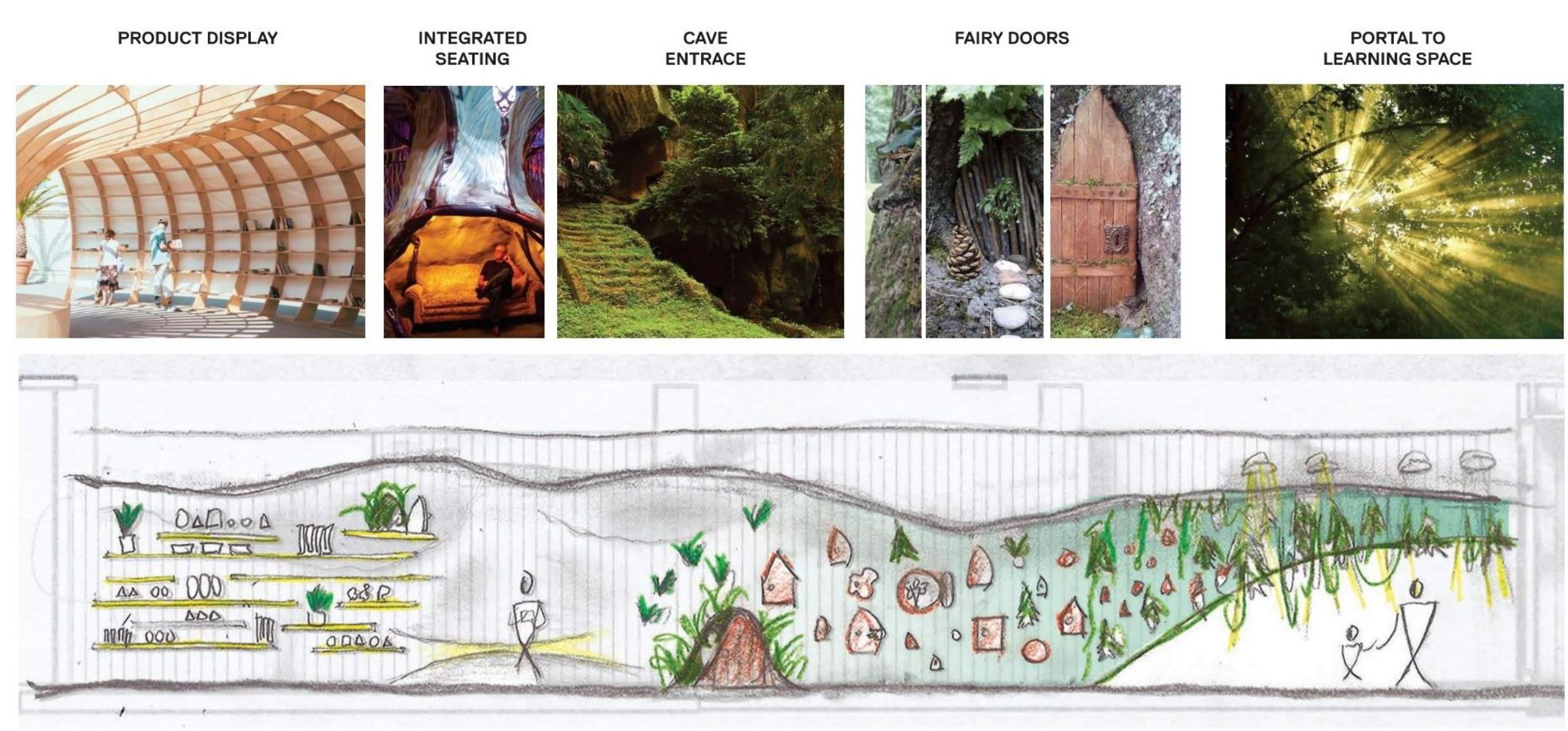
Inspired by the hero’s journey, the design transforms the center into an “enchanted forest,” where students embark on adventures, solve problems, and emerge transformed. This playful environment ties the transformative power of learning to creativity and community, exemplifying 826 Valencia’s mission of fostering equity and opportunity.

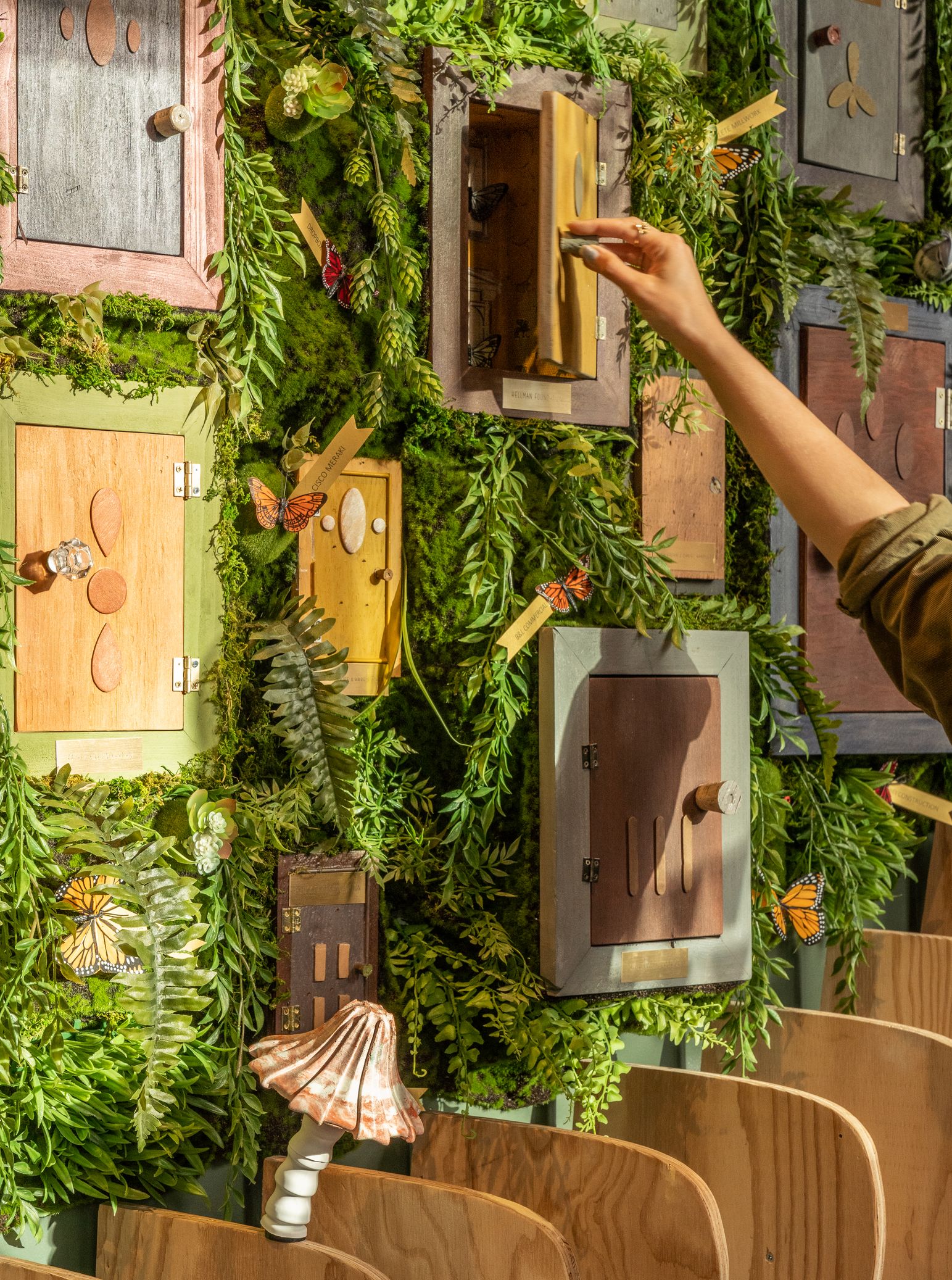
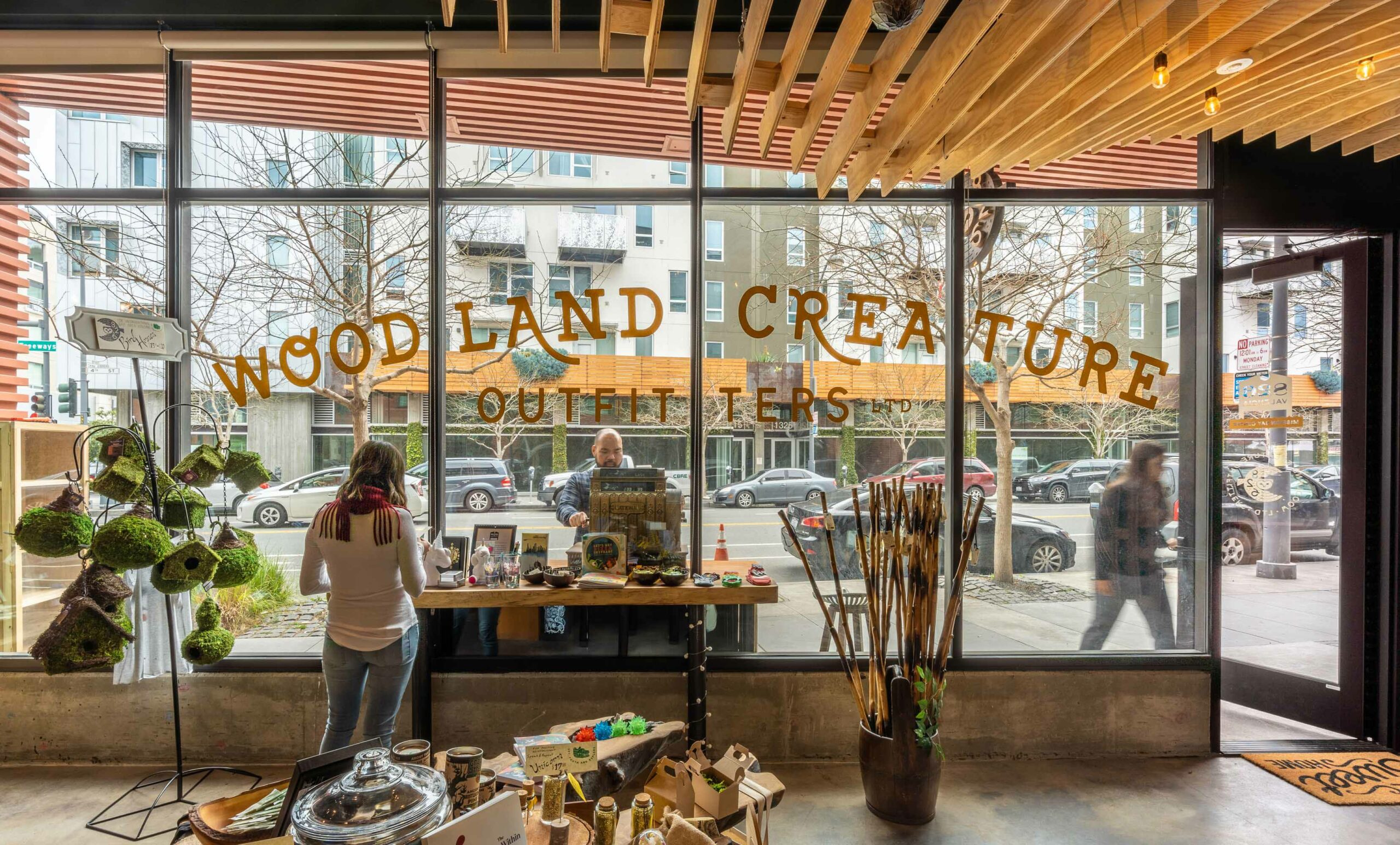
The storefront, branded as Woodland Creature Outfitters, Ltd., continues 826’s tradition of playful stores like the Pirate Supply Store and King Carl’s Emporium. Selling student publications alongside fantastical forest tools like unicorn horn polish, the store draws curious visitors who often become volunteers and donors. Visitors journey through a magical space featuring hollowed-out logs, a mushroom tree, and a reading cave, arriving at the Writing Lab, complete with a rock-pool stage for student presentations.

Delivered pro bono, WRNS Studio partnered with local businesses, artists, and students to bring the space to life, blending creativity and community in support of 826 Valencia’s vision that education should be a right, not a privilege.

Empowering future leaders through connection and choice

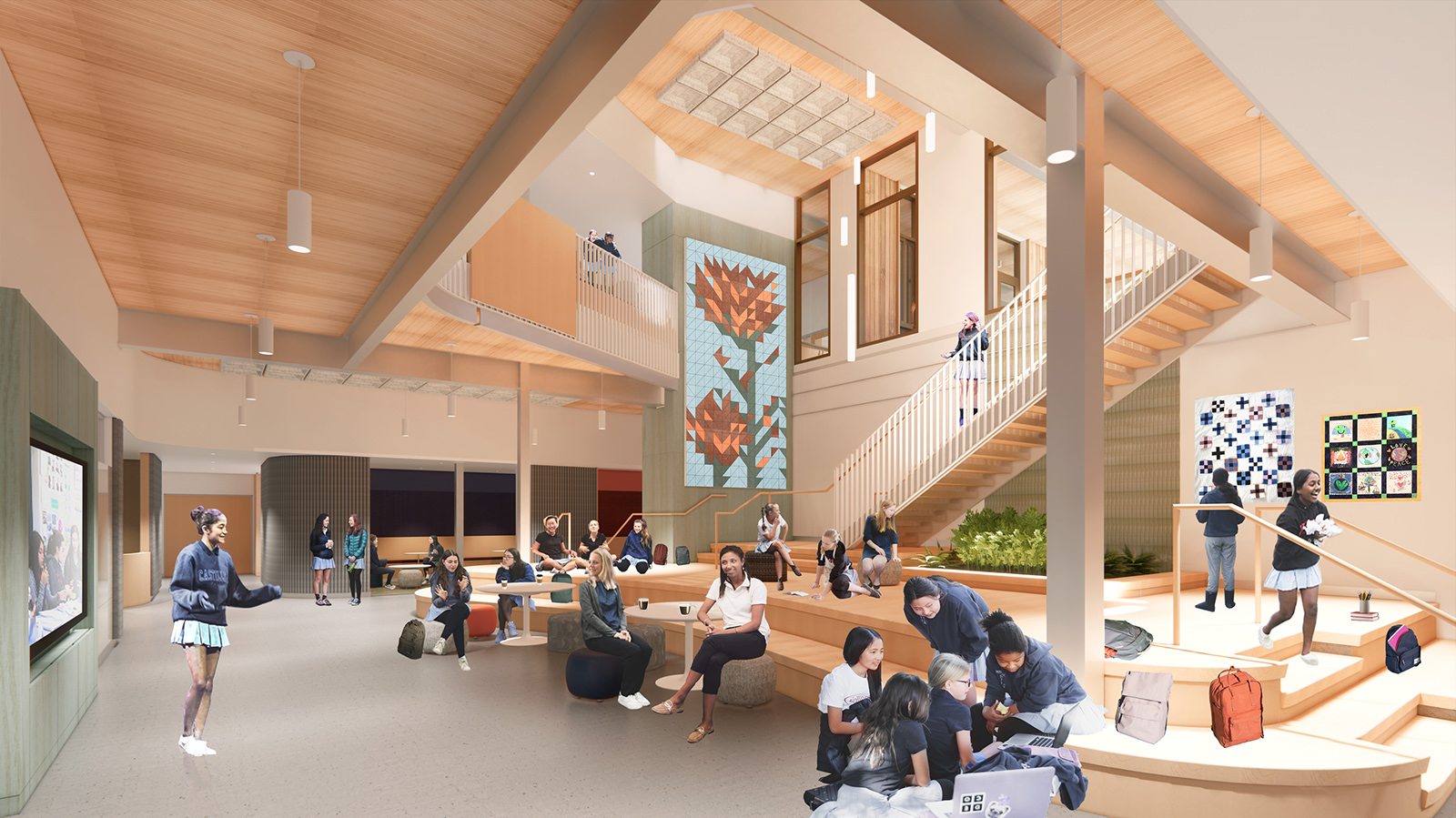
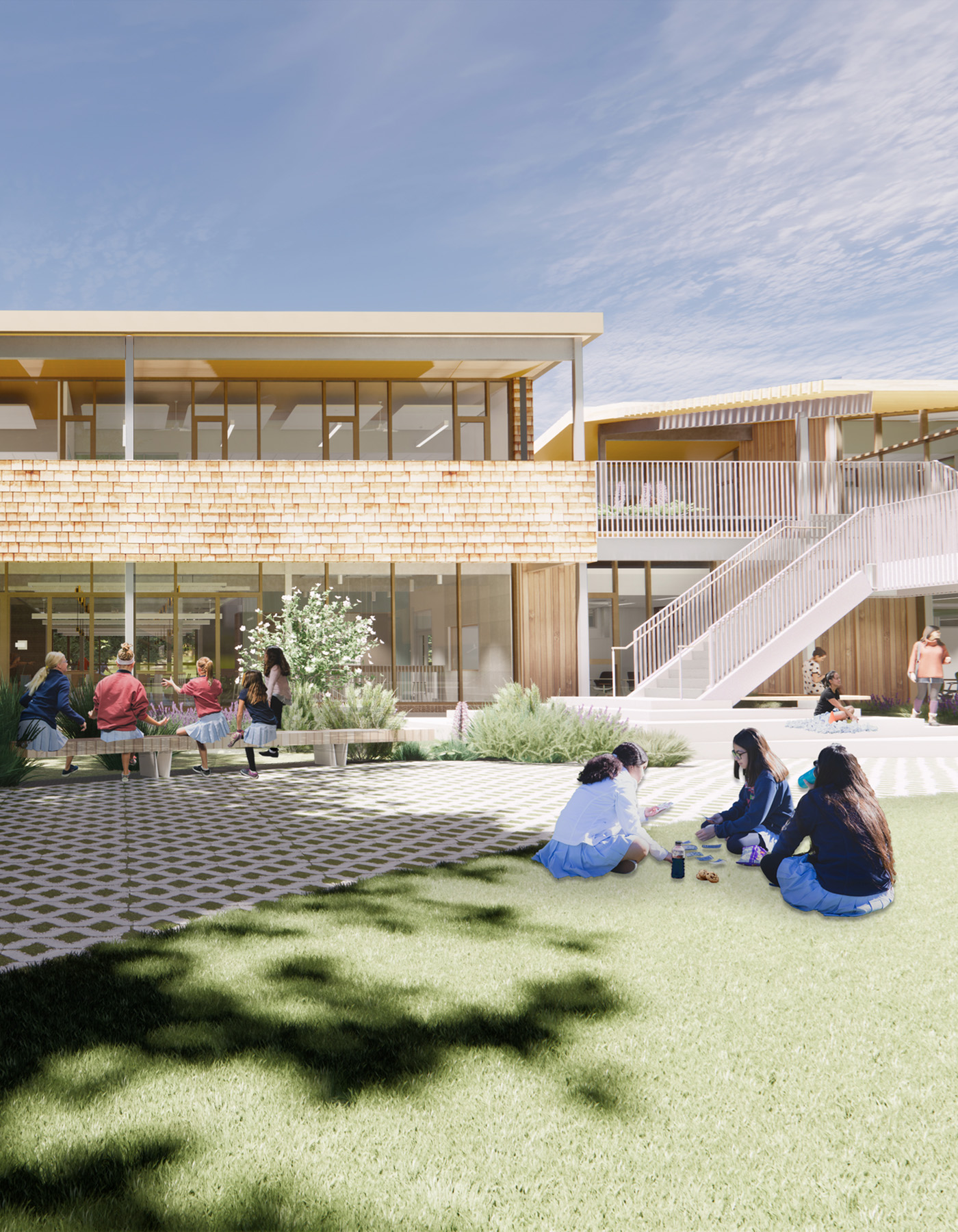
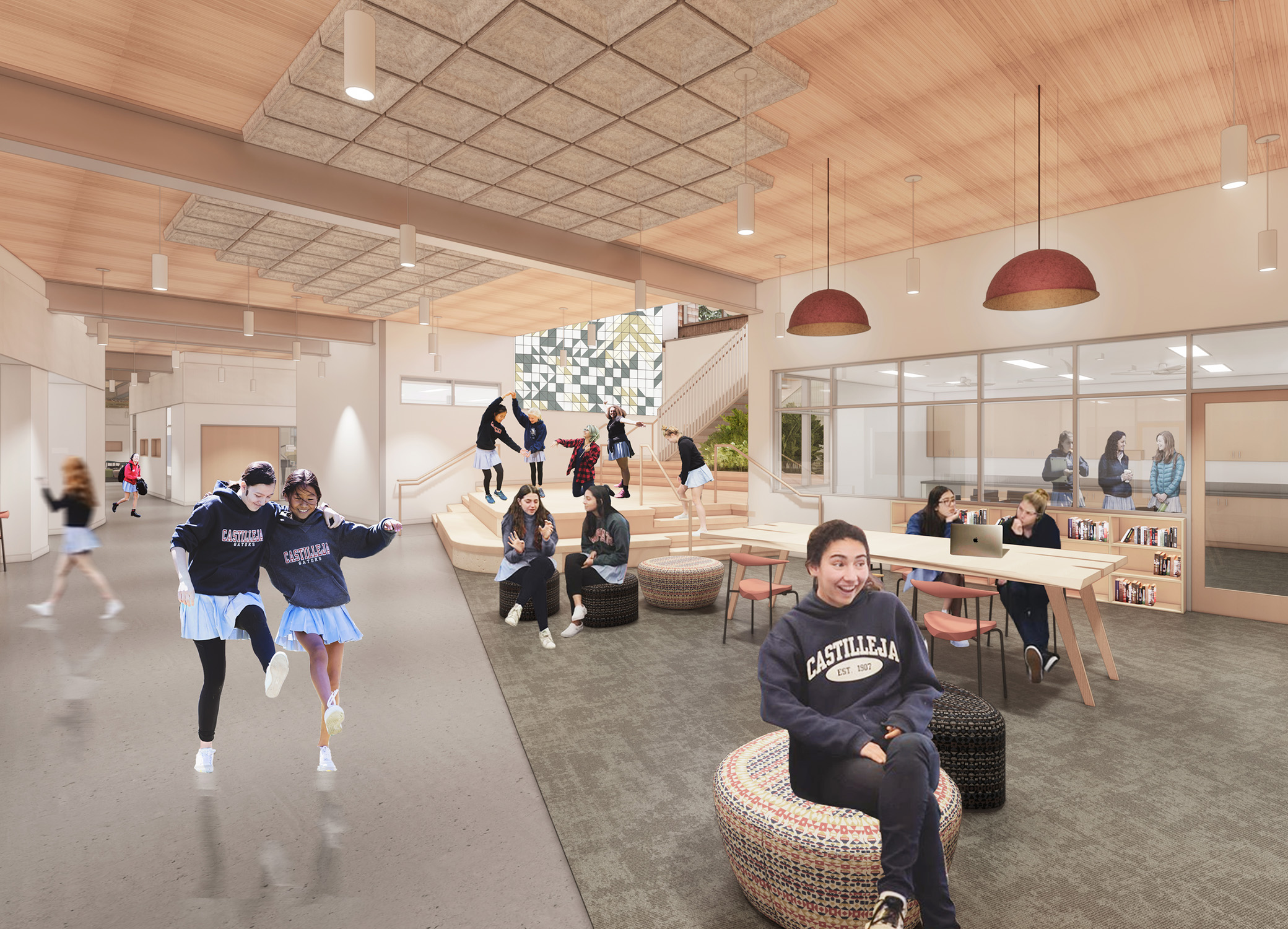
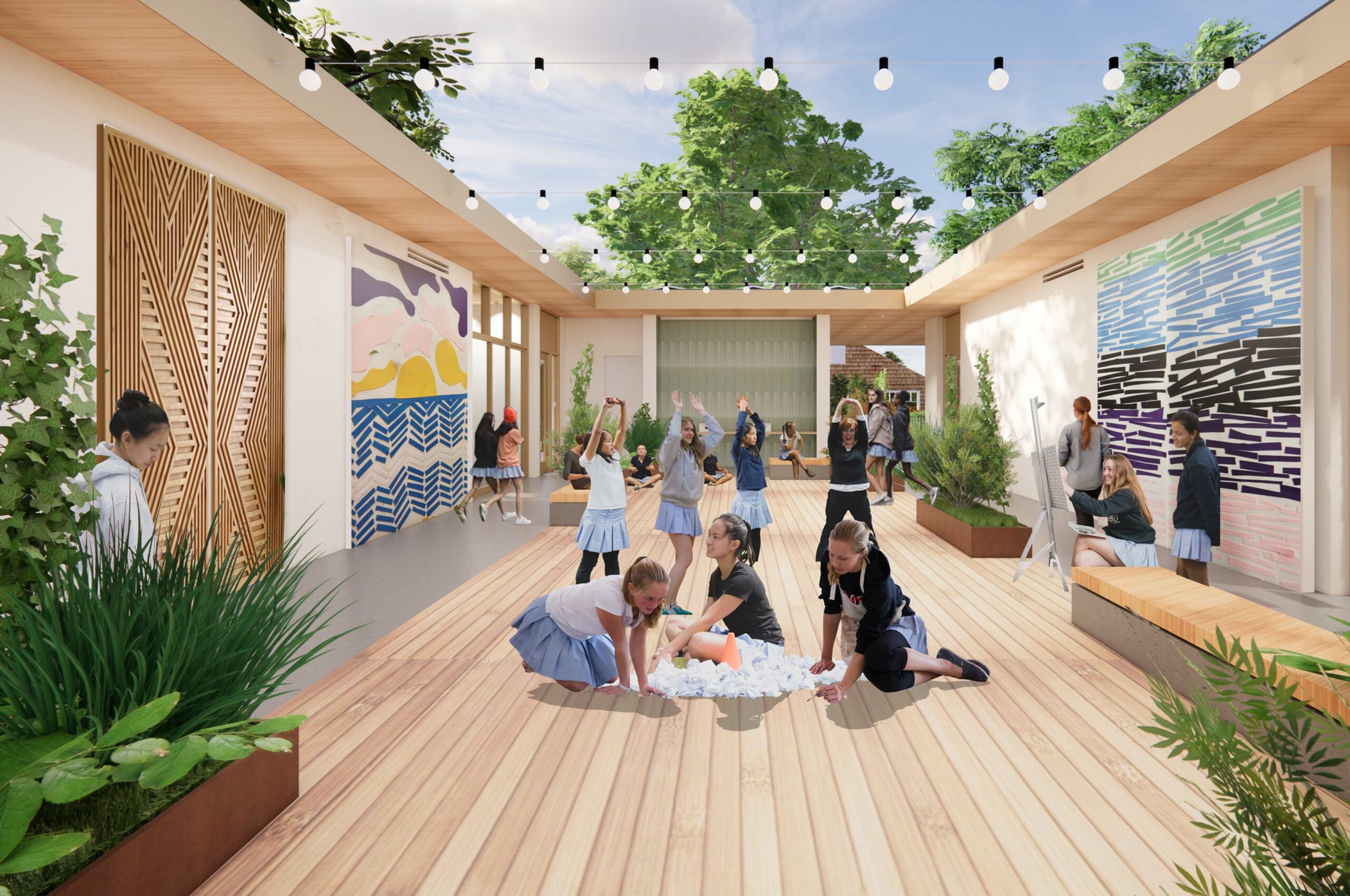
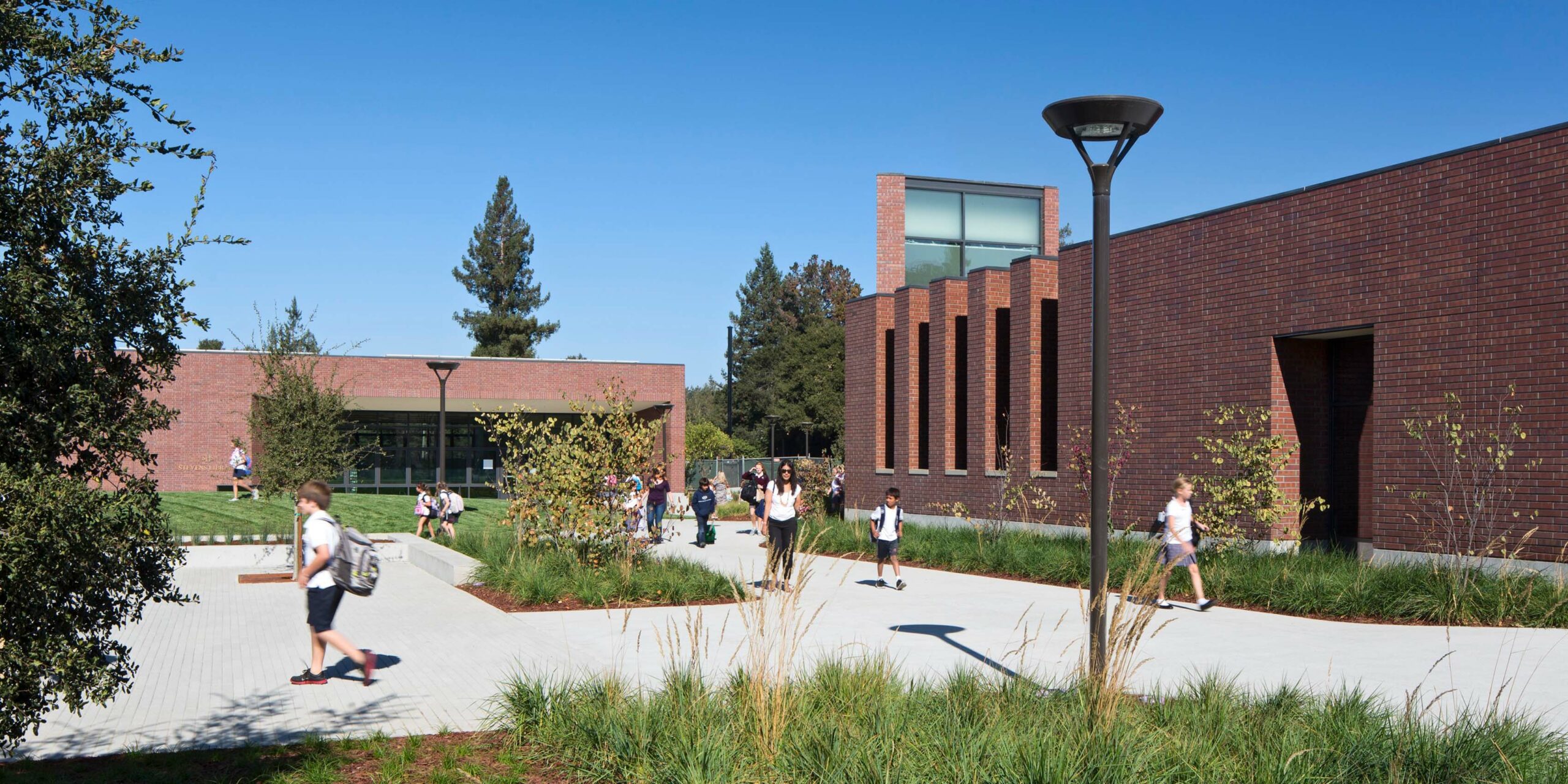
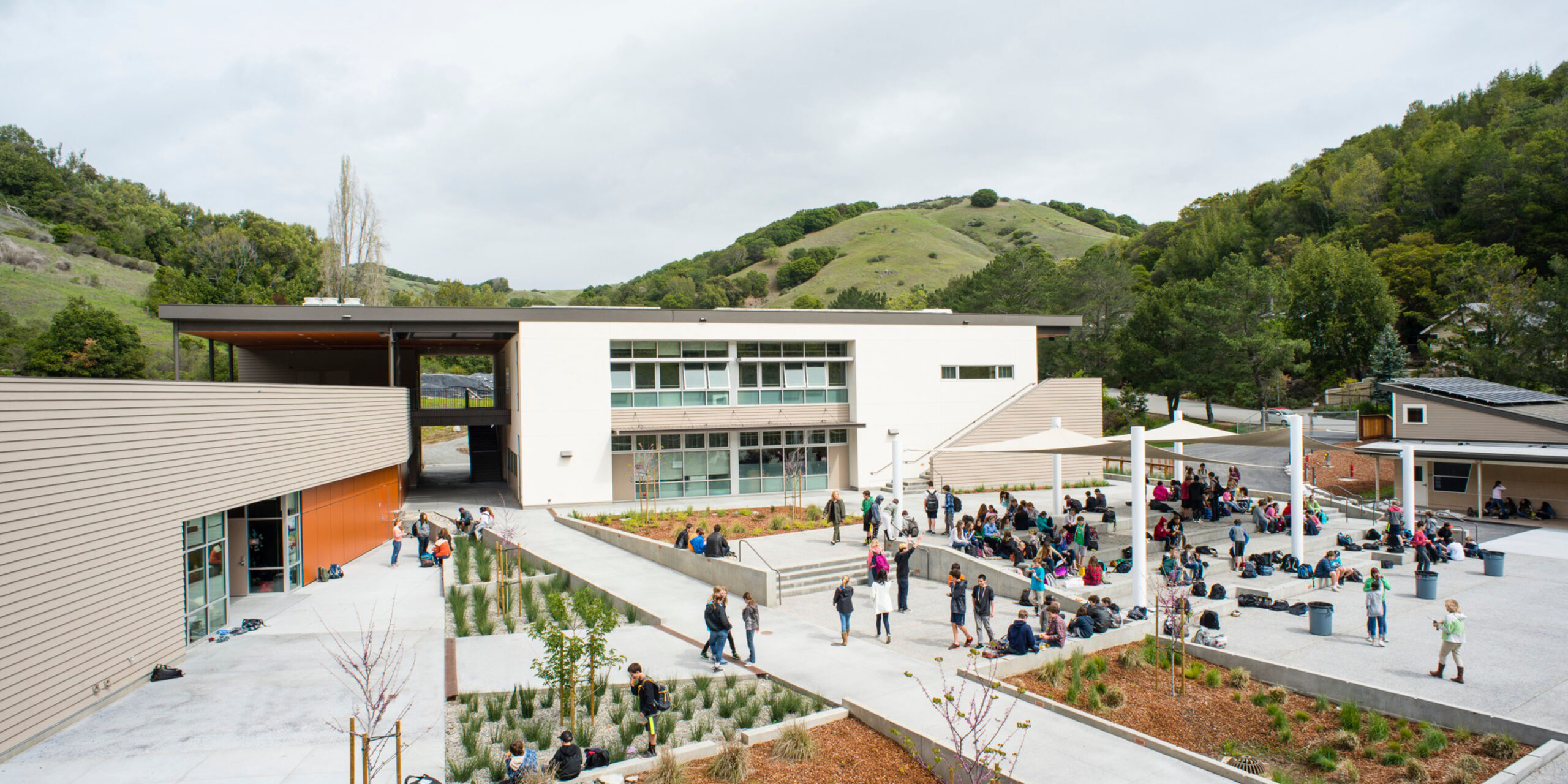
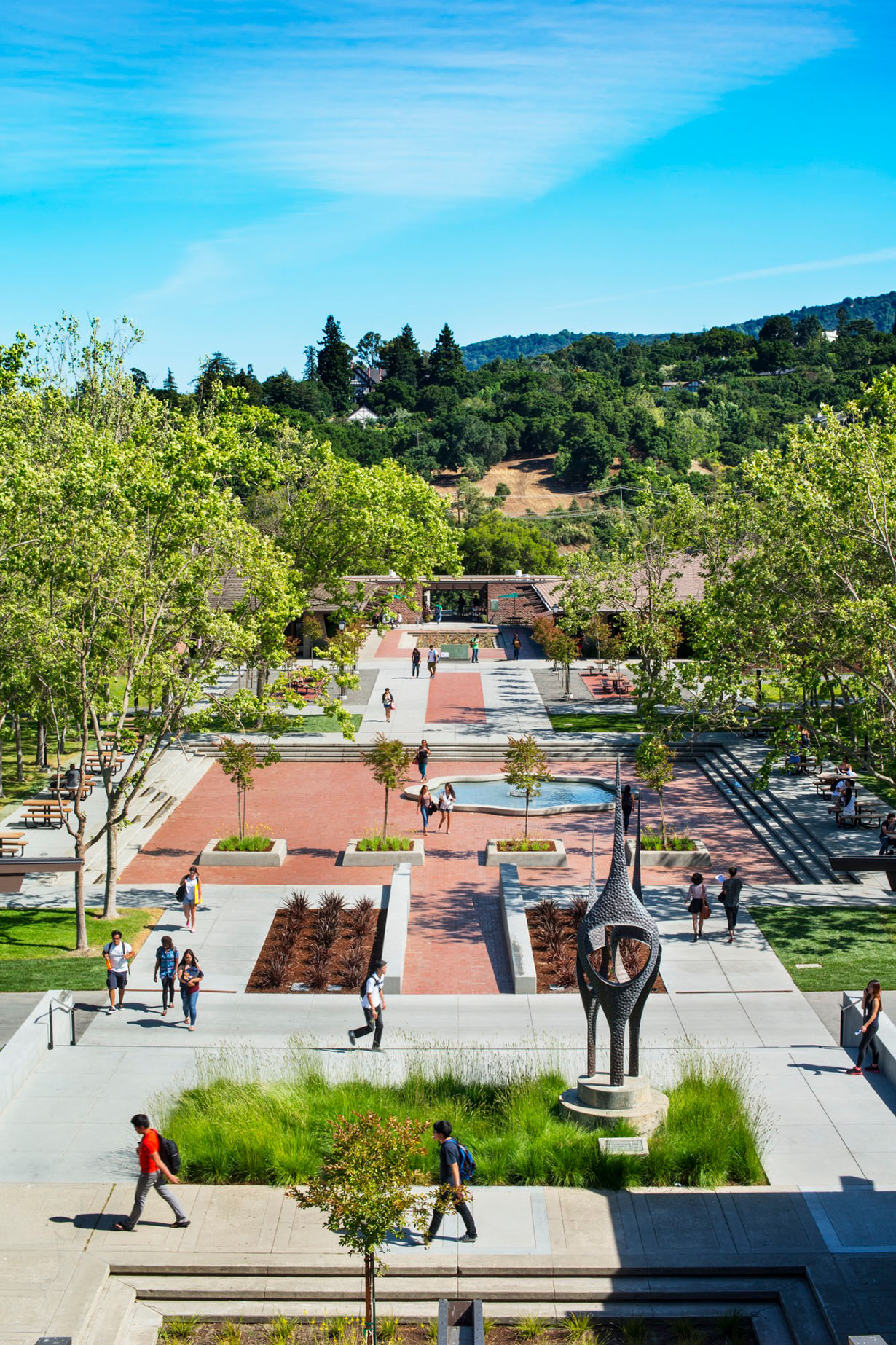
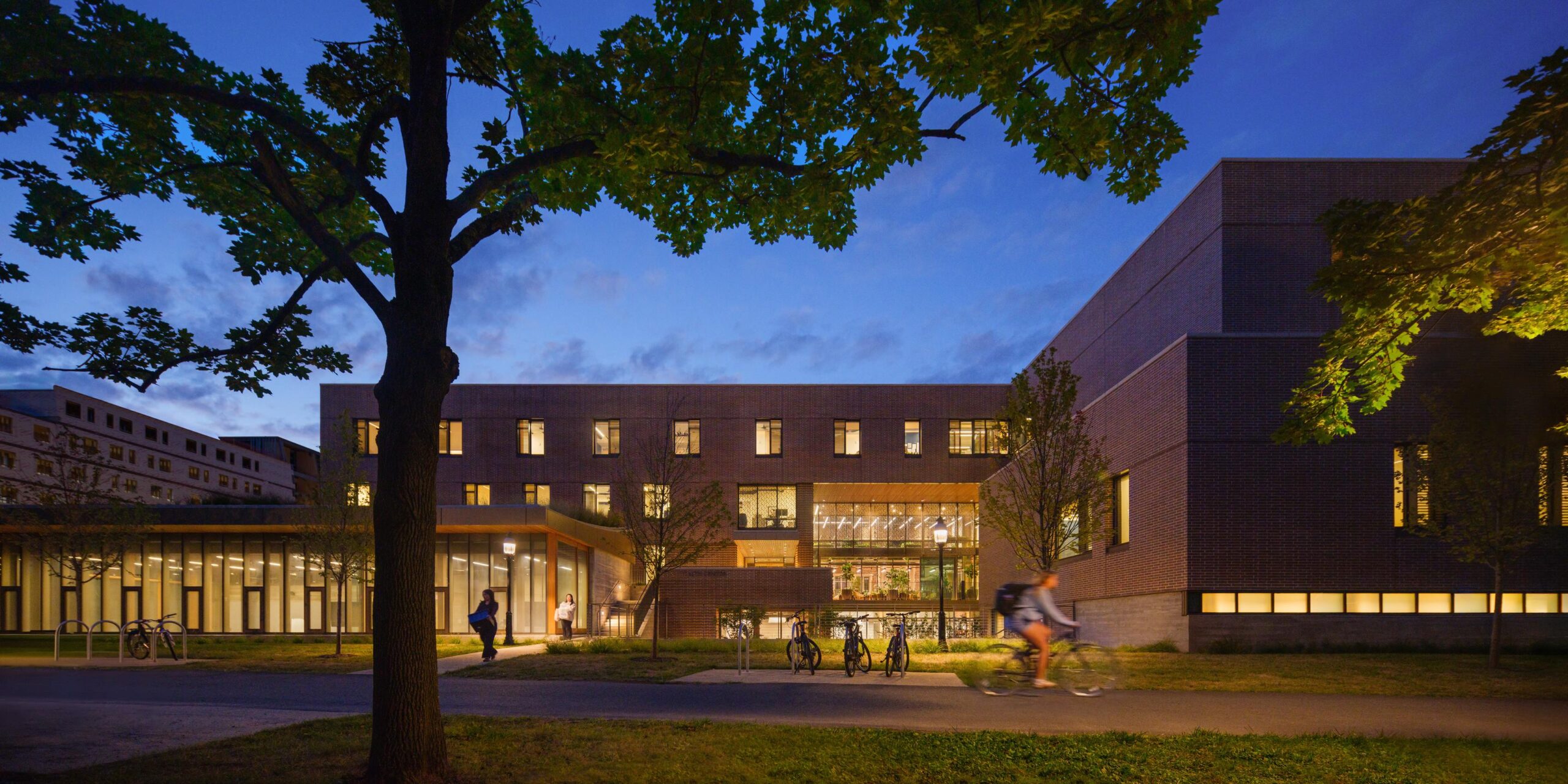
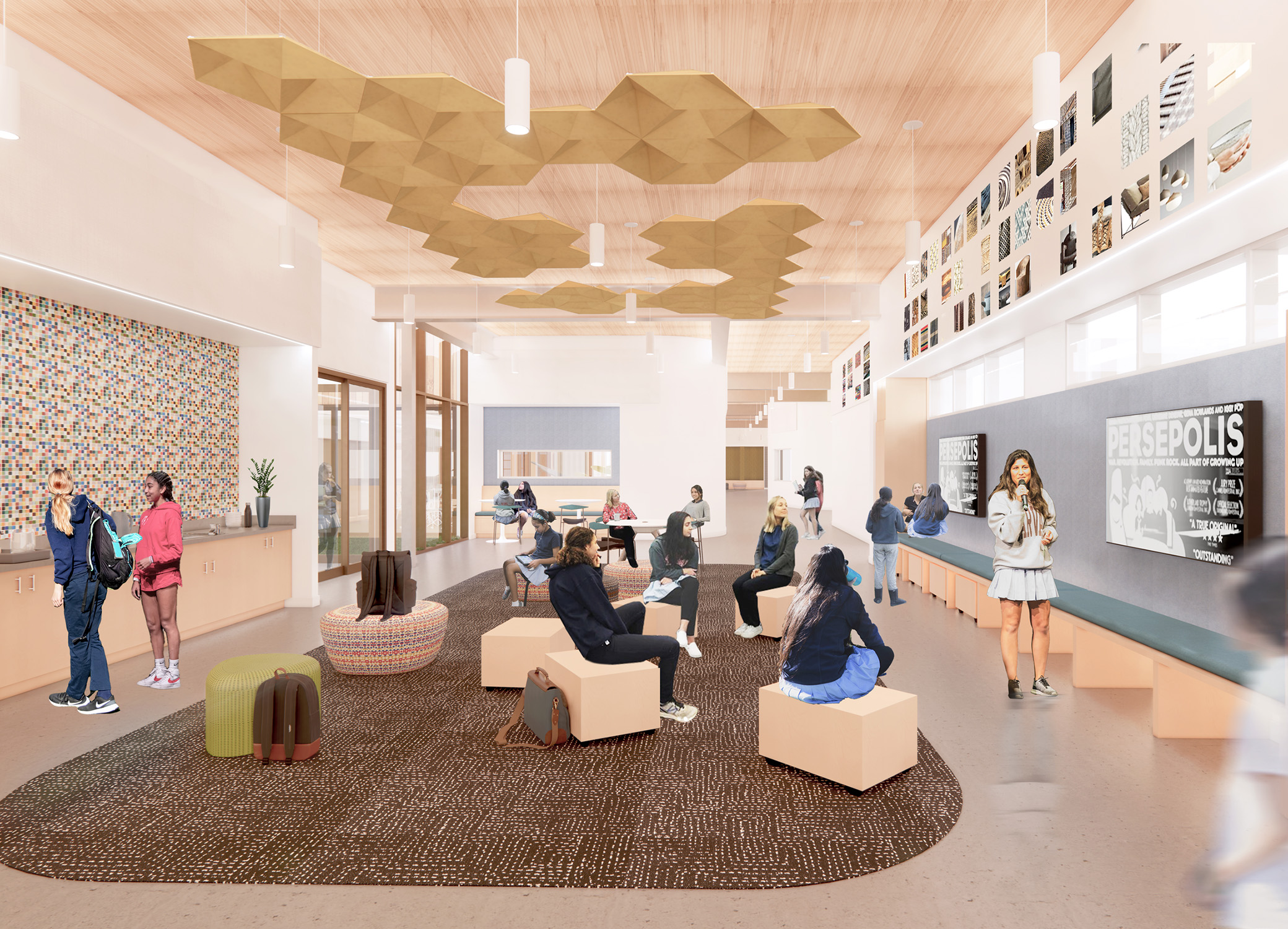
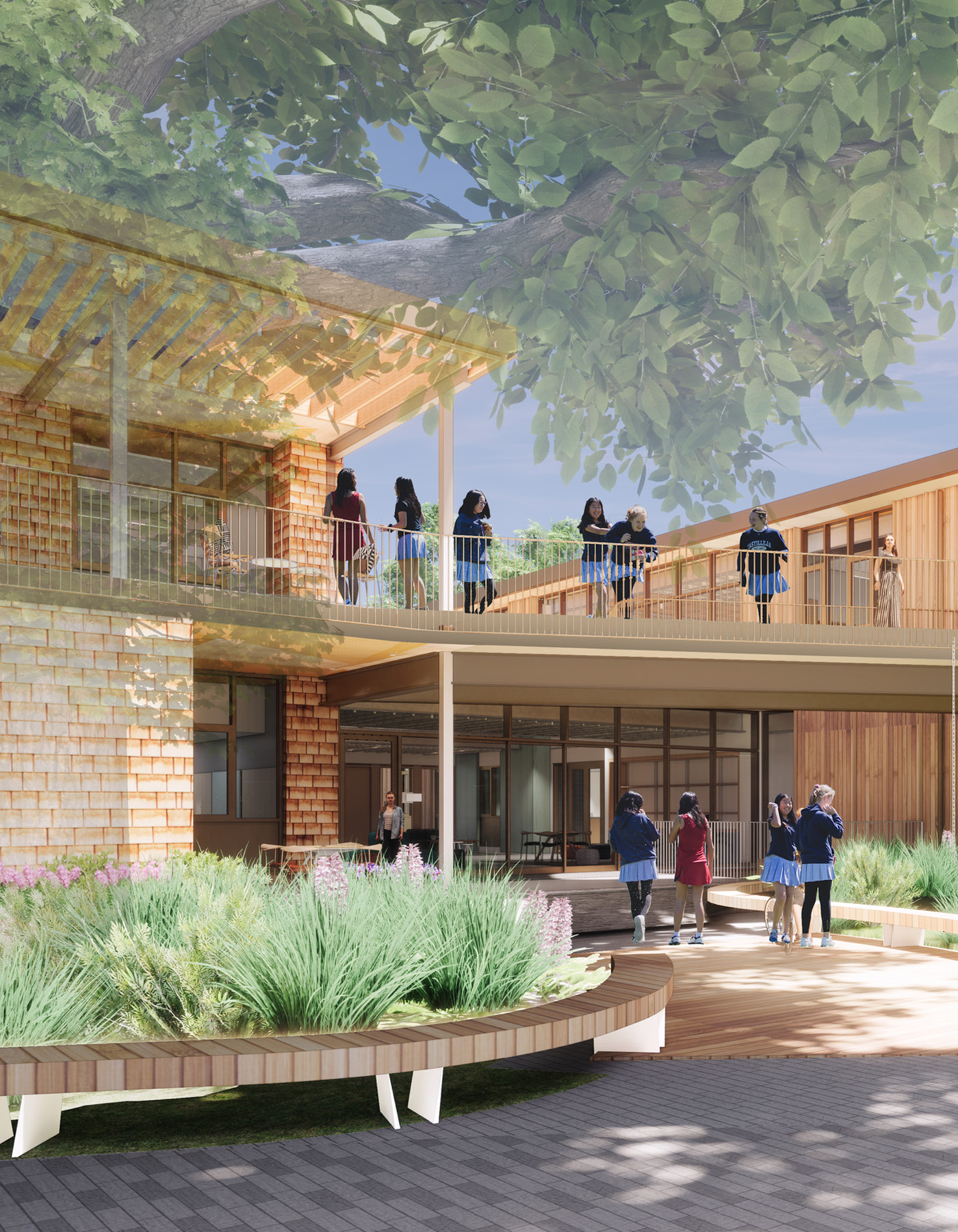
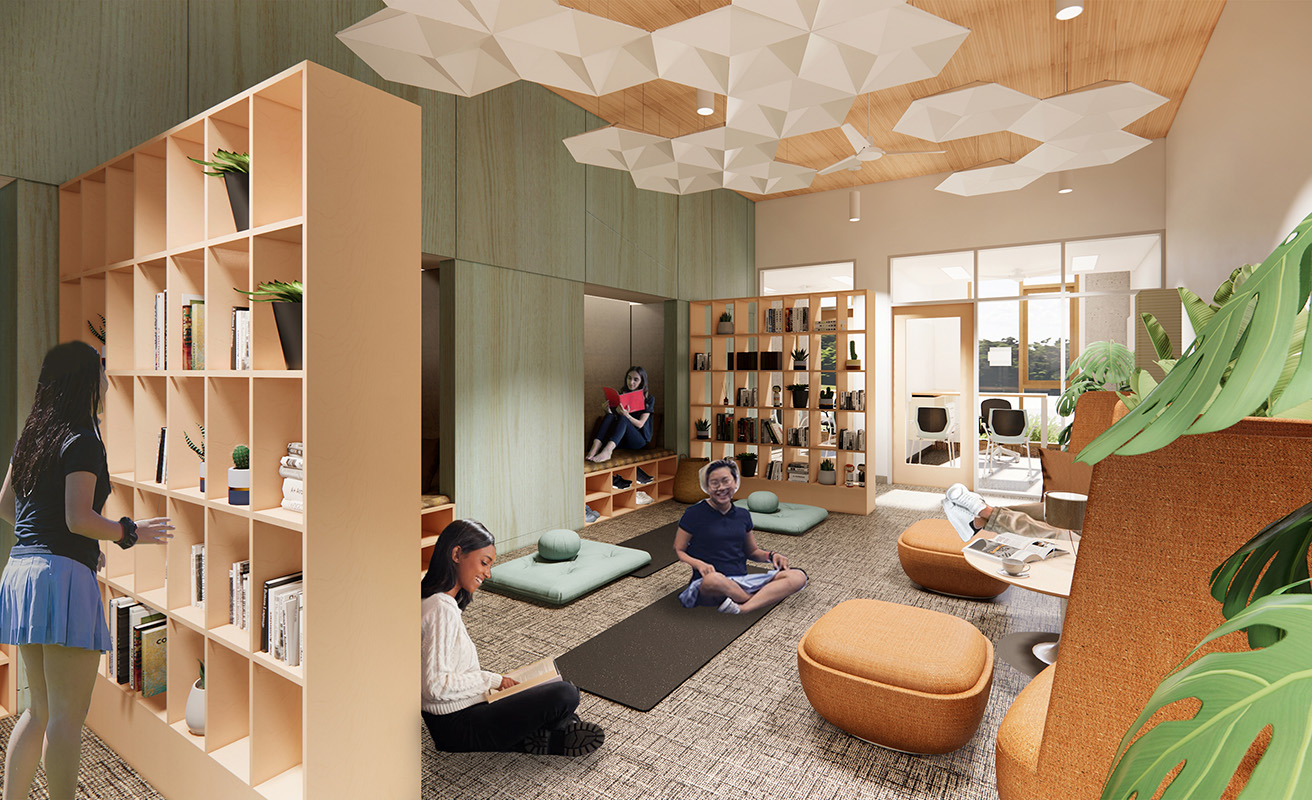
WRNS Studio reimagined Castilleja School’s campus around a series of interconnected hubs, fostering community and offering students choices in how they engage with their environment. At its heart is the Circle, a landscaped greenspace that symbolizes balance, equity, and tradition. Pathways, bridges, and gardens energize the Circle, linking diverse programs while offering spaces to gather or retreat. Each grade has its own intimate gathering area, while flexible “all-hands” spaces and social nooks encourage collaboration and connection.

Castilleja School
Castilleja School
Castilleja School

Wellness and sustainability integrated

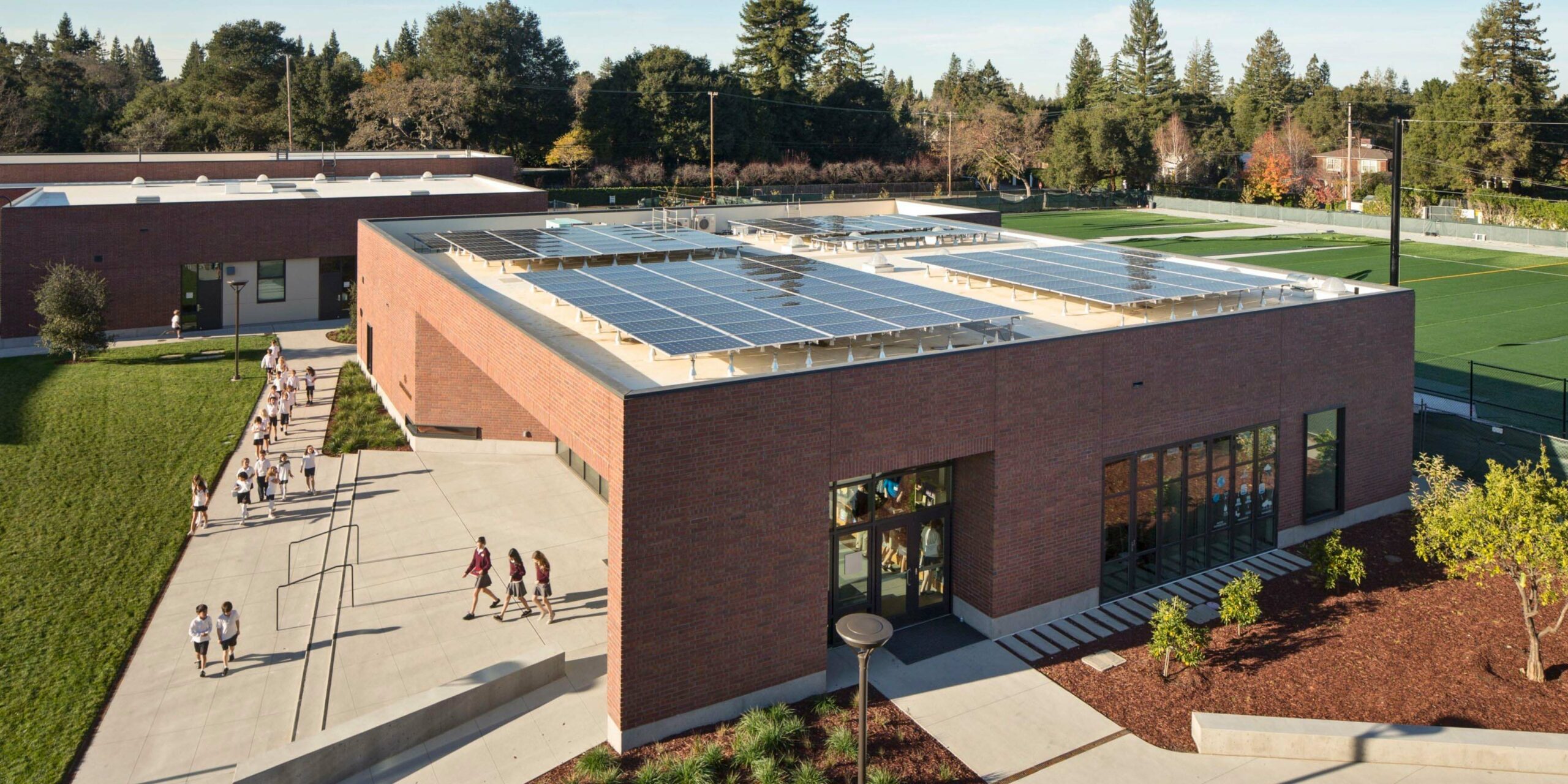
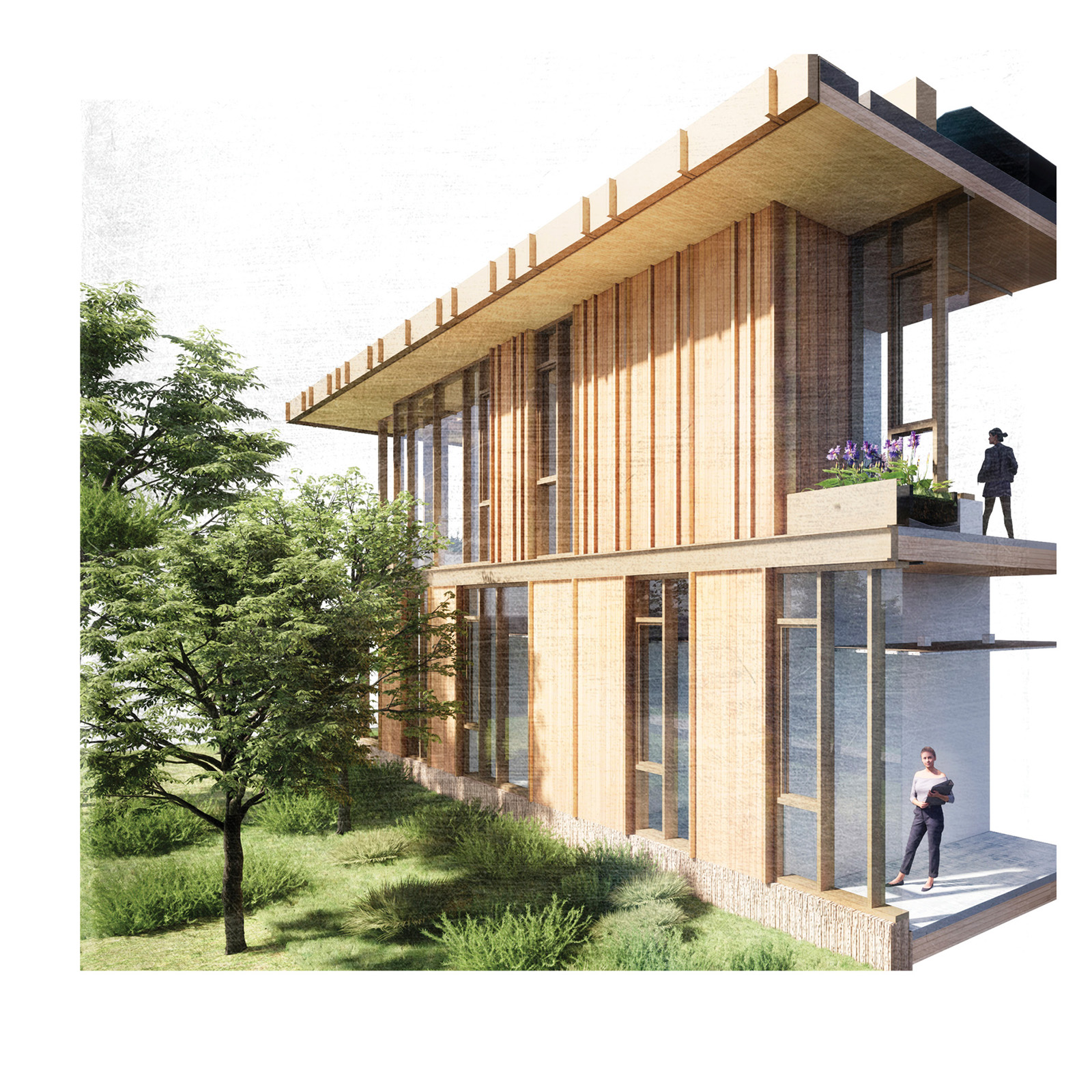
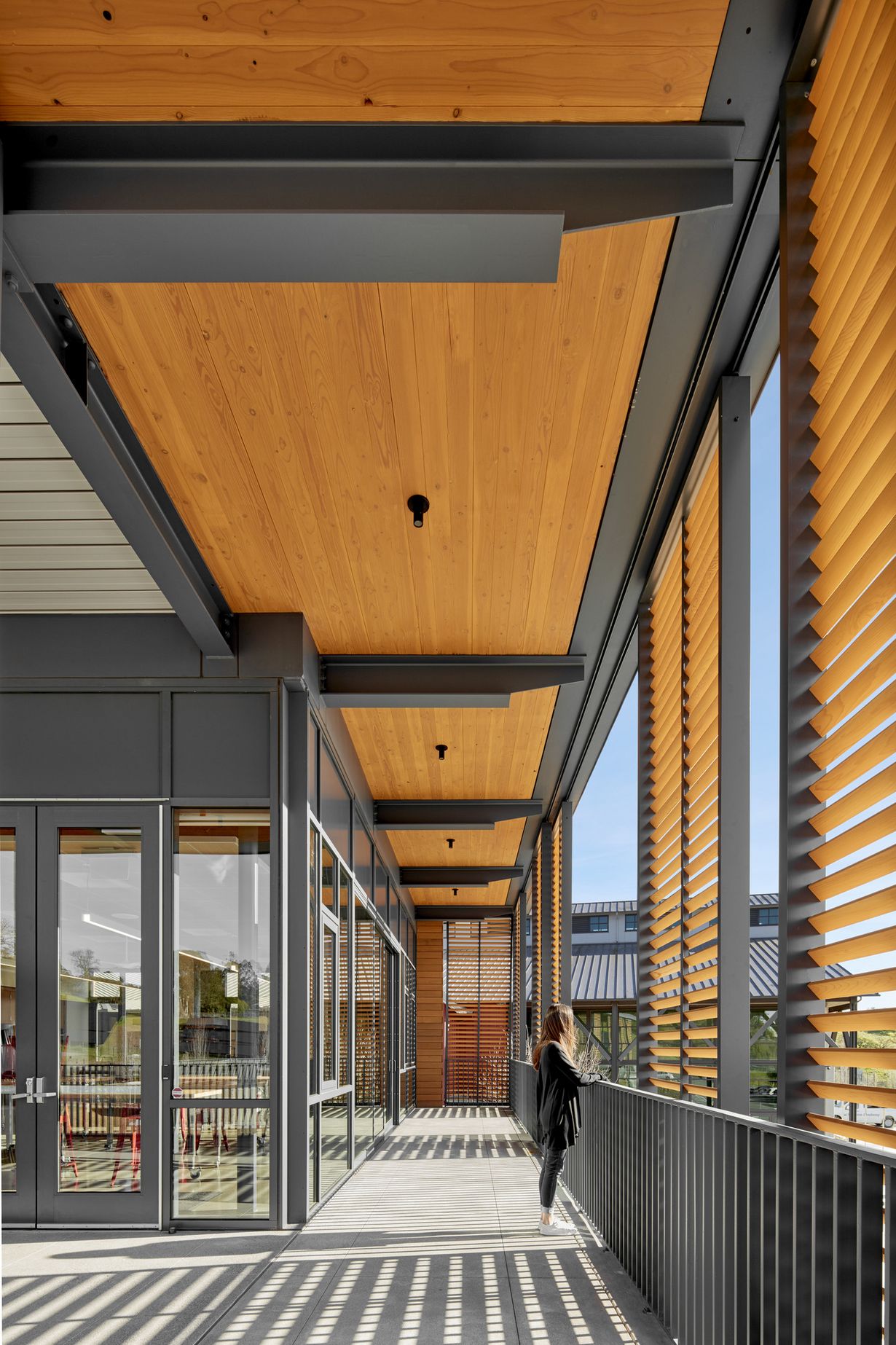
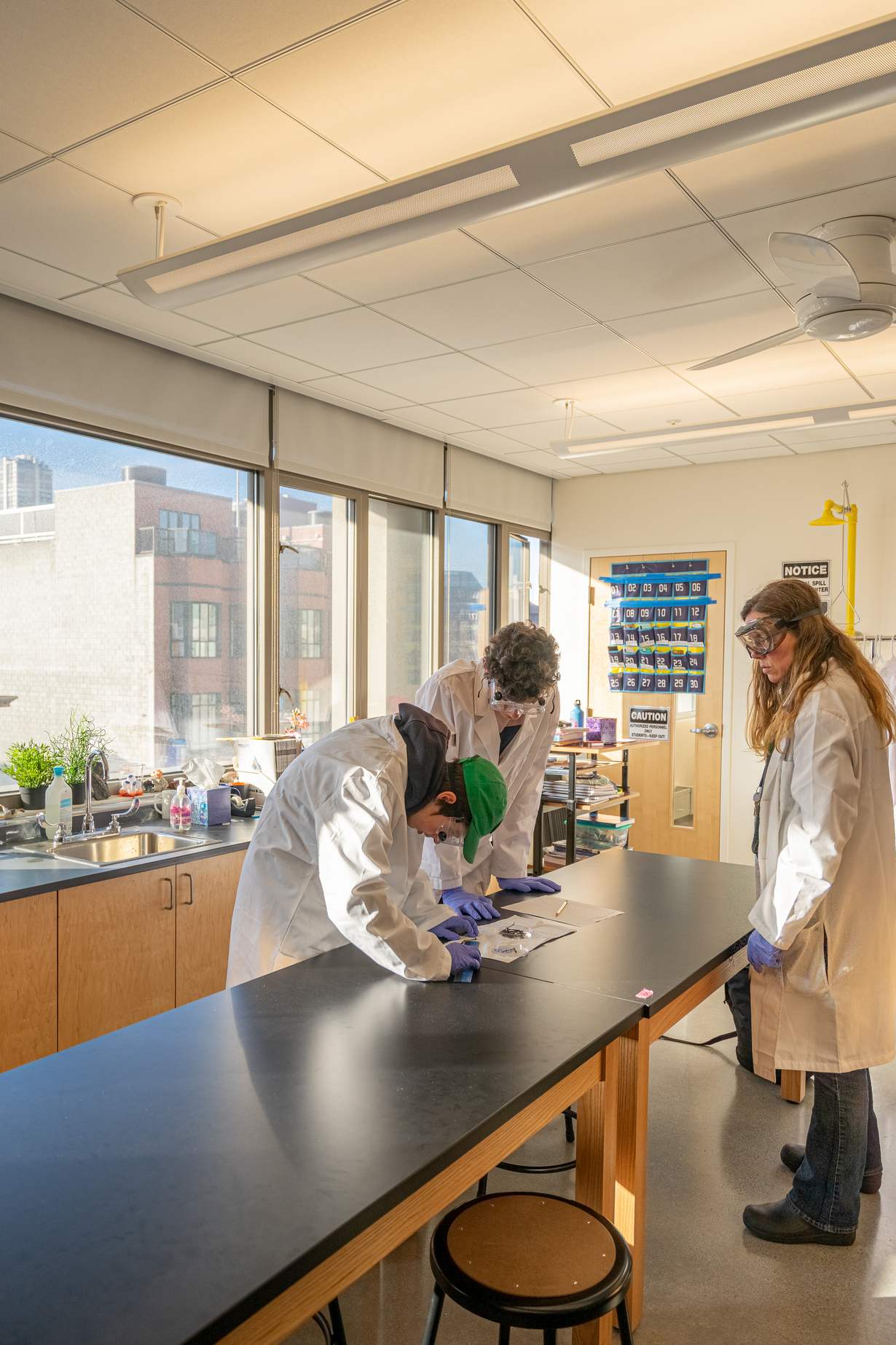
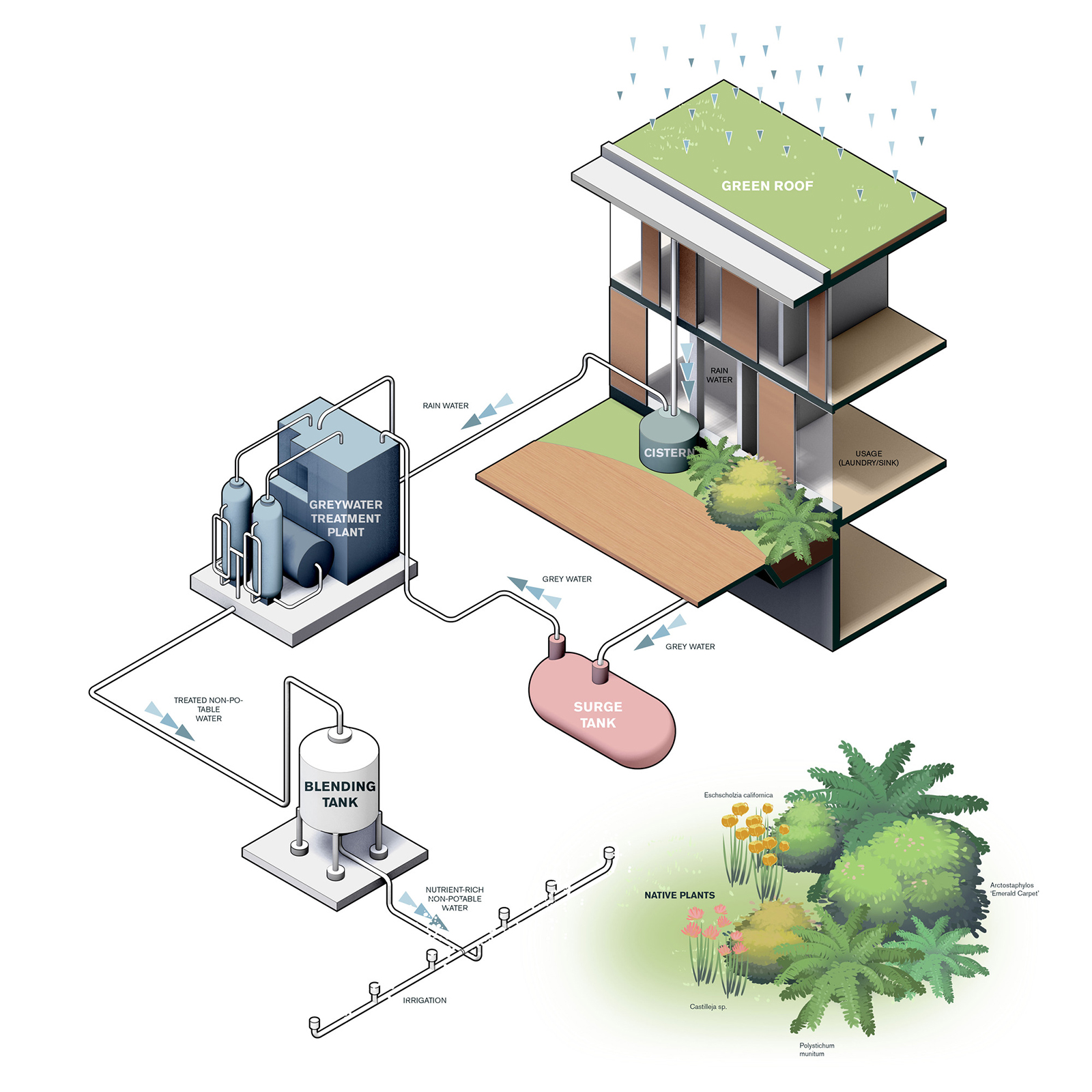
The design reflects holistic goals for wellness, flexibility, equity, and sustainability. Ample daylight activates learning spaces, including the 50,000-square-foot garden level, made welcoming with light wells, atriums, and warm Dowel Laminated Timber. Net Zero Energy is achieved through photovoltaics, all-electric systems, and responsive lighting controls. Rainwater is captured for irrigation, while native plants and preserved trees enhance the landscape’s ecological value. These sustainable features serve as teaching tools, seamlessly integrating environmental stewardship into the curriculum.

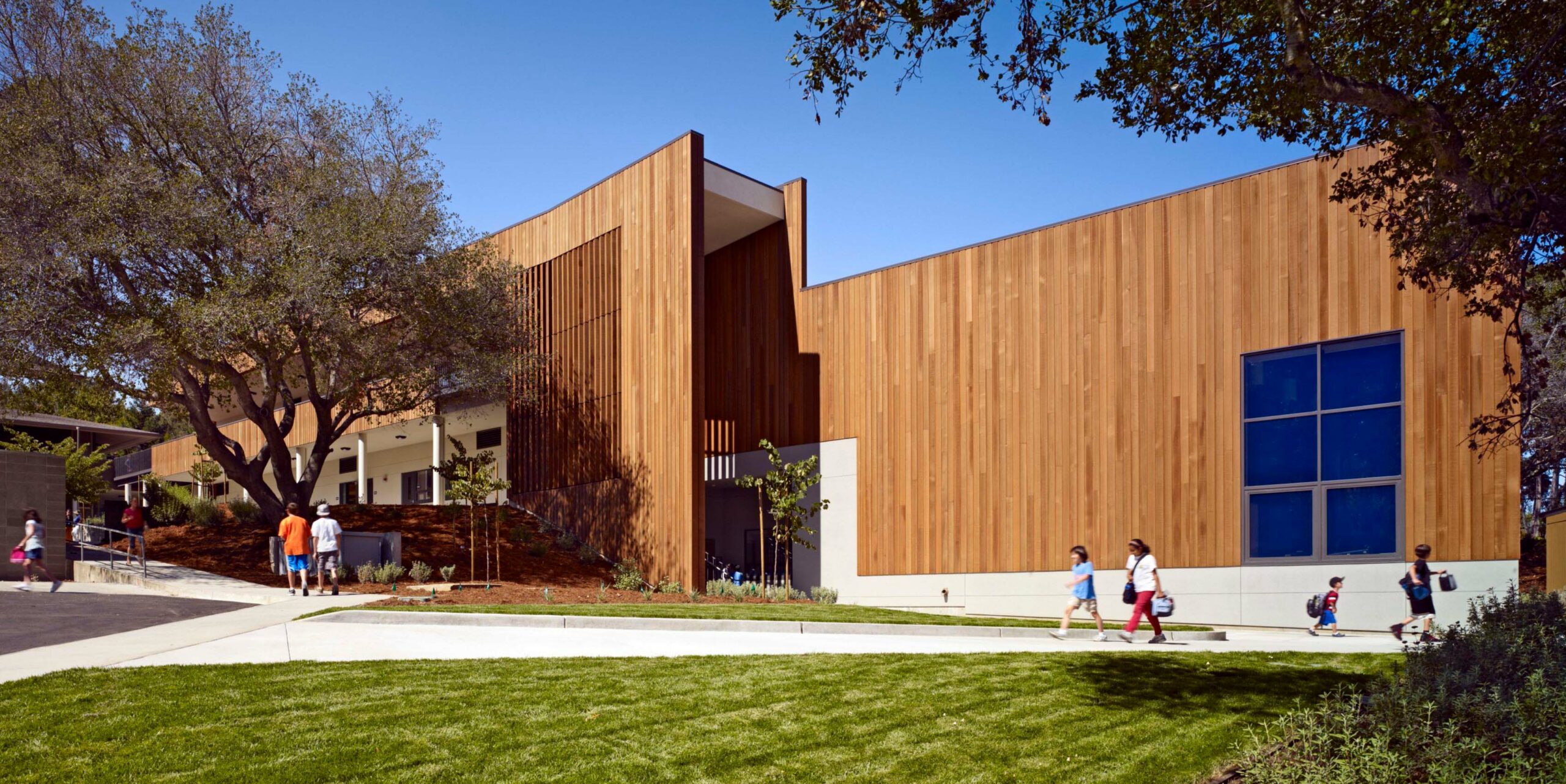
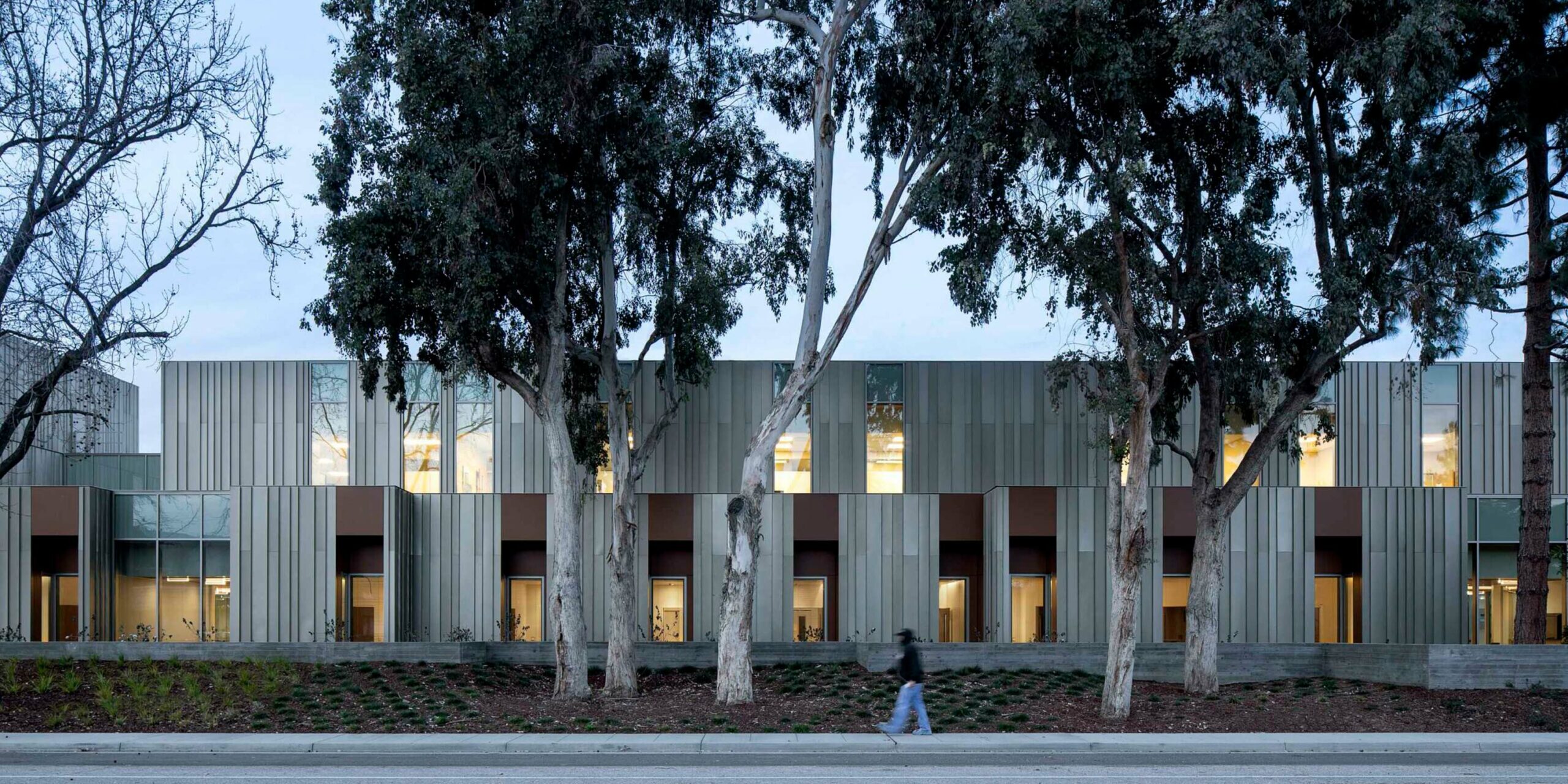
On 6.5 acres in Palo Alto, the project was designed with sensitivity to its residential neighbors. Warm wood materials, low building heights, sound walls, and underground parking mitigate aesthetic, noise, and traffic concerns, ensuring a harmonious relationship between school and community.

Castilleja School

Learning Spaces

Previous Slide
Next Slide
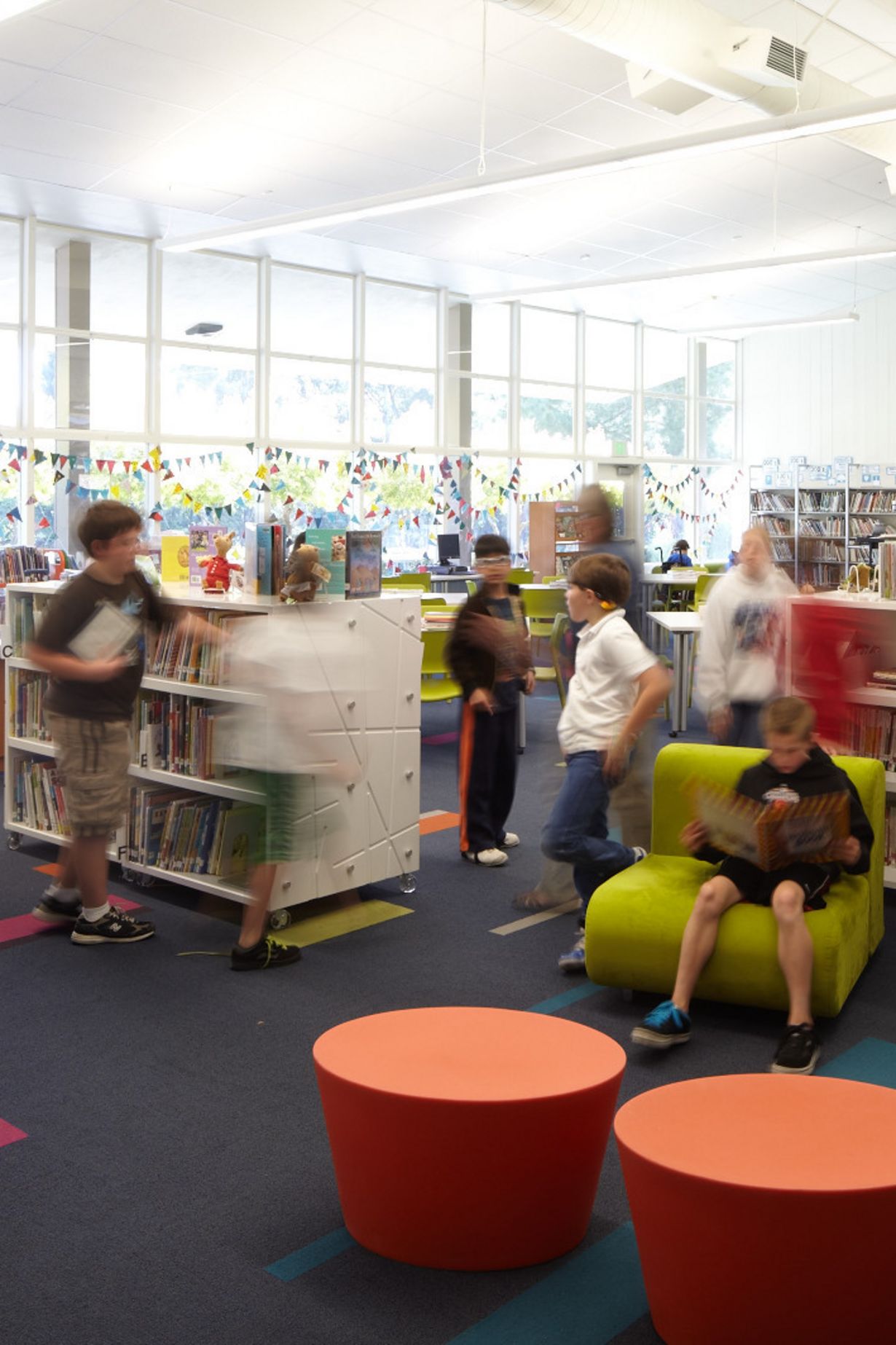
Castilleja School Library
Wellness Space
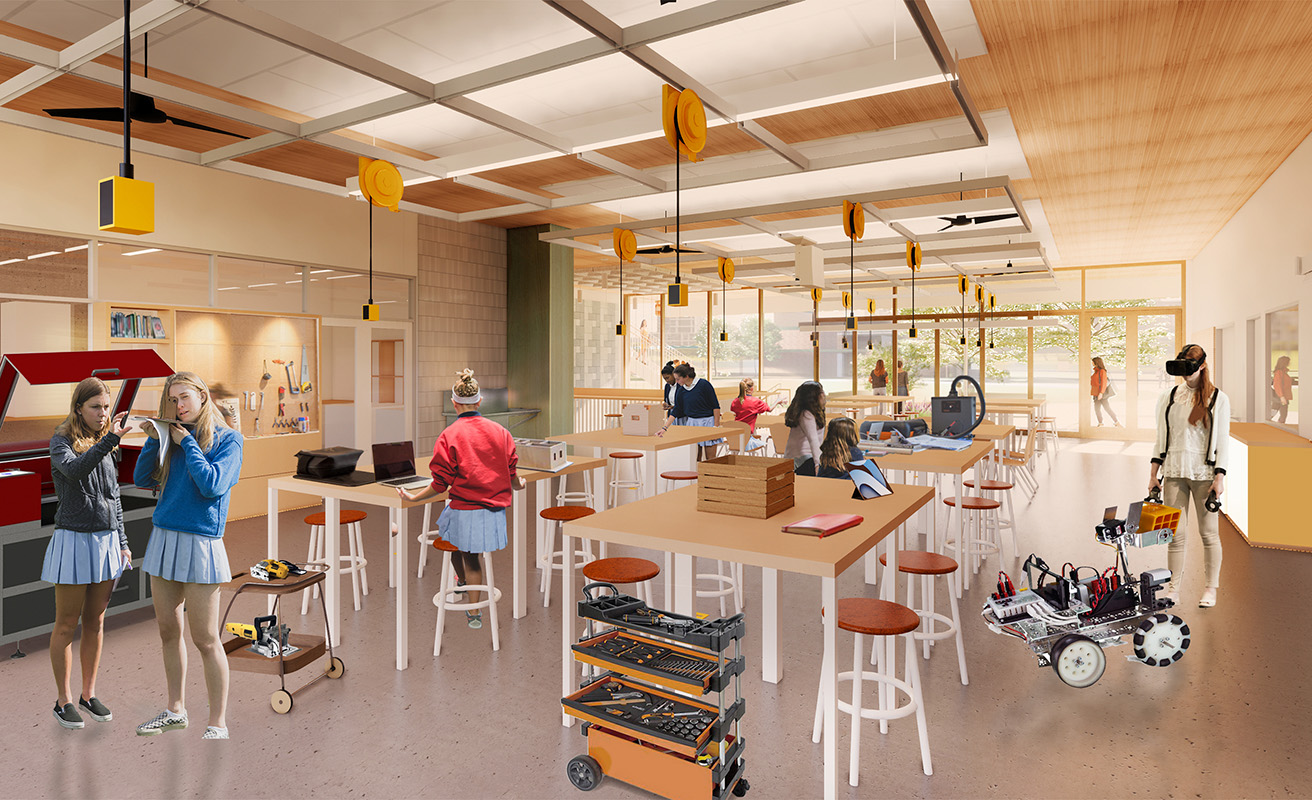
Castilleja School Robotics
Maker Space
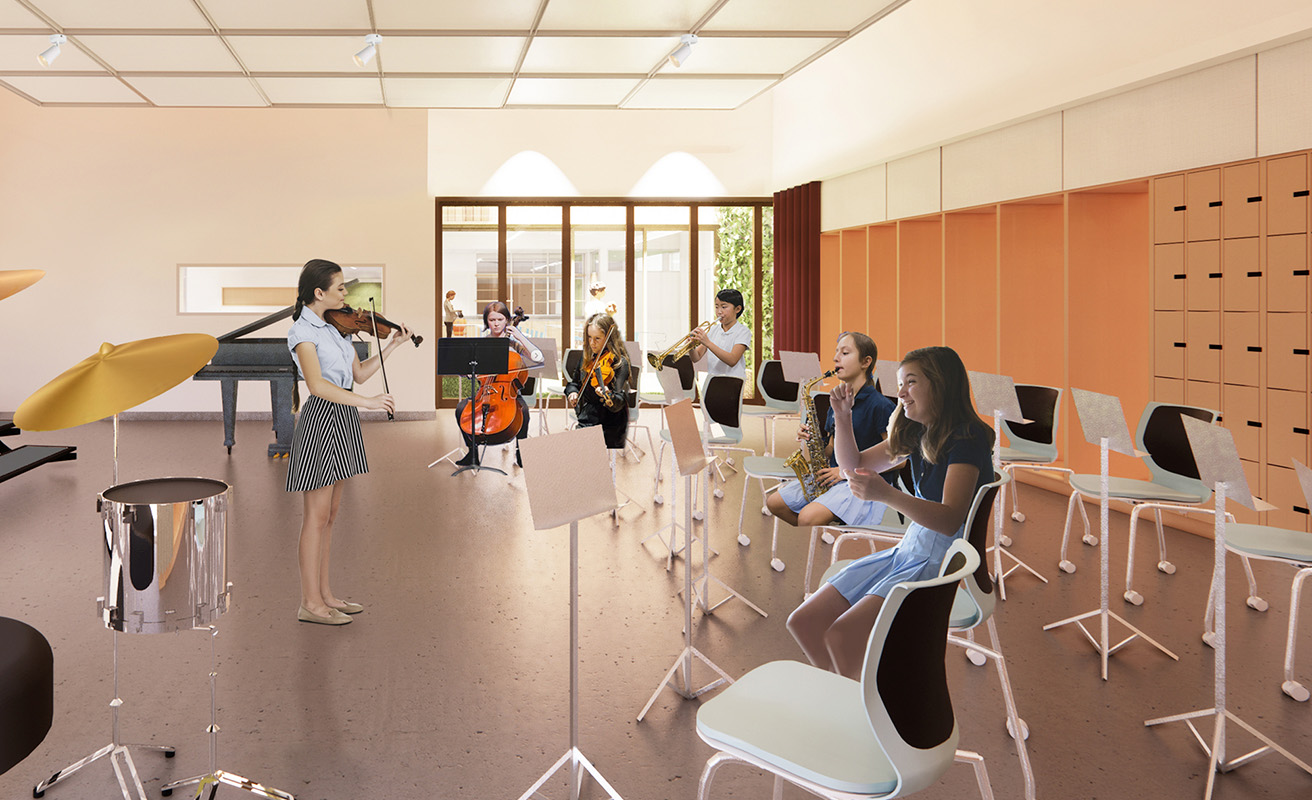
Castilleja School Orchestra
Instrumental
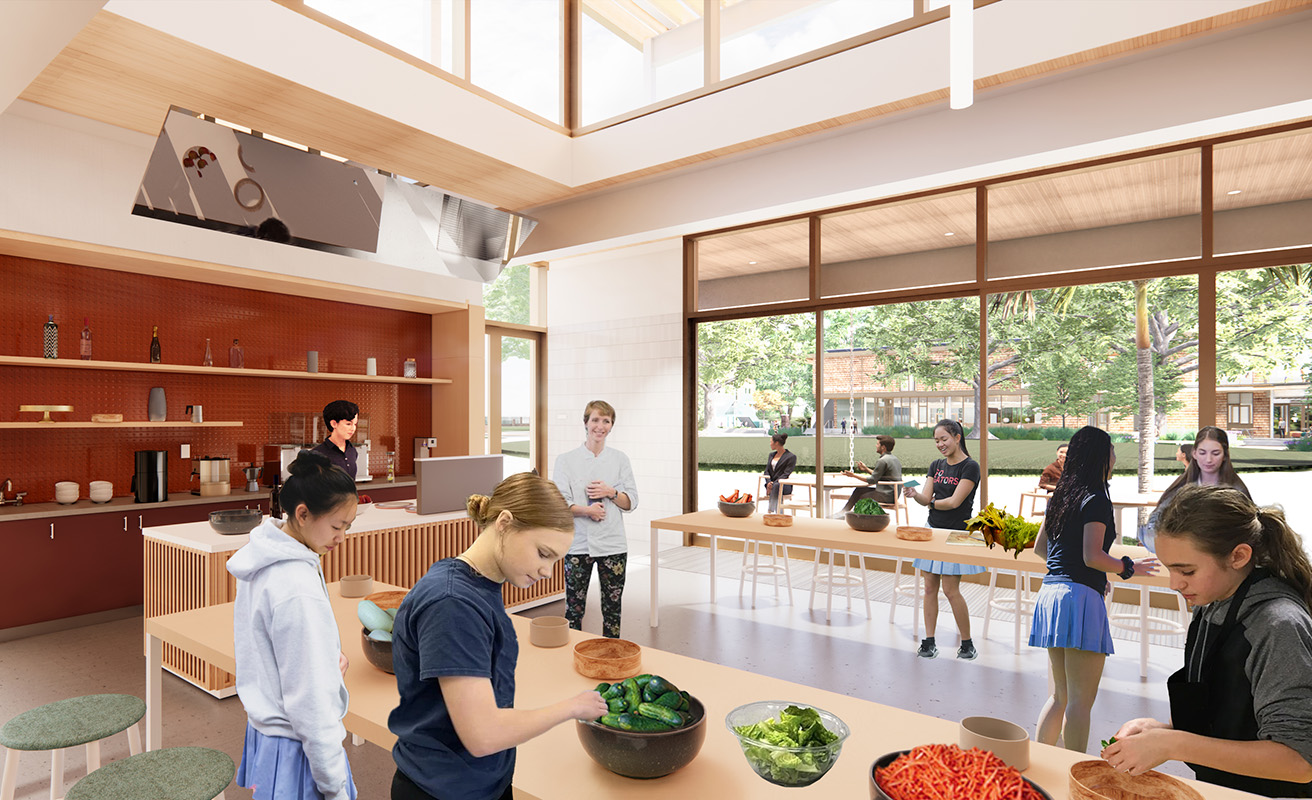
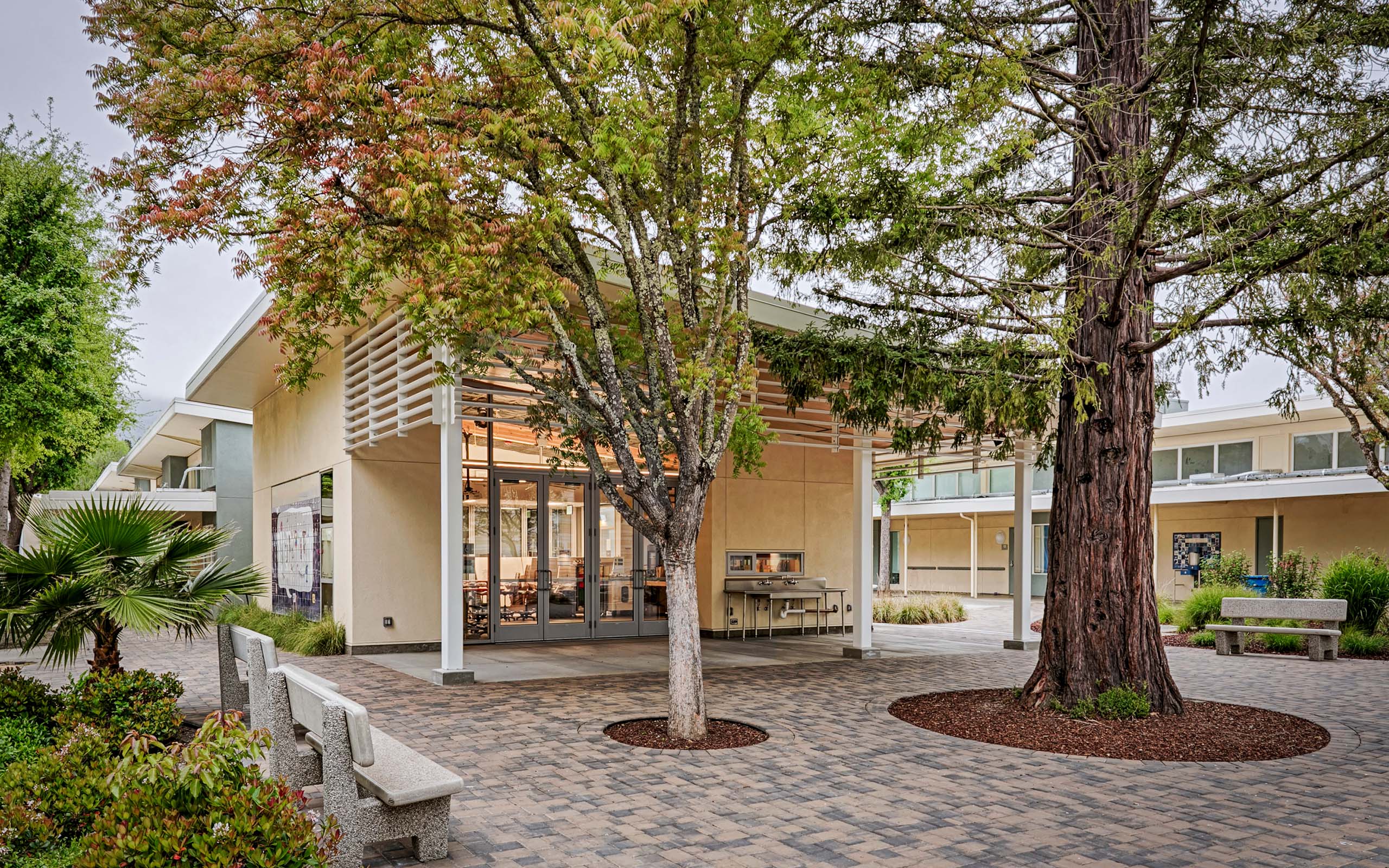
Castilleja School Ktichen
Community Kitchen
Castilleja School

Flexible, light-filled, connected

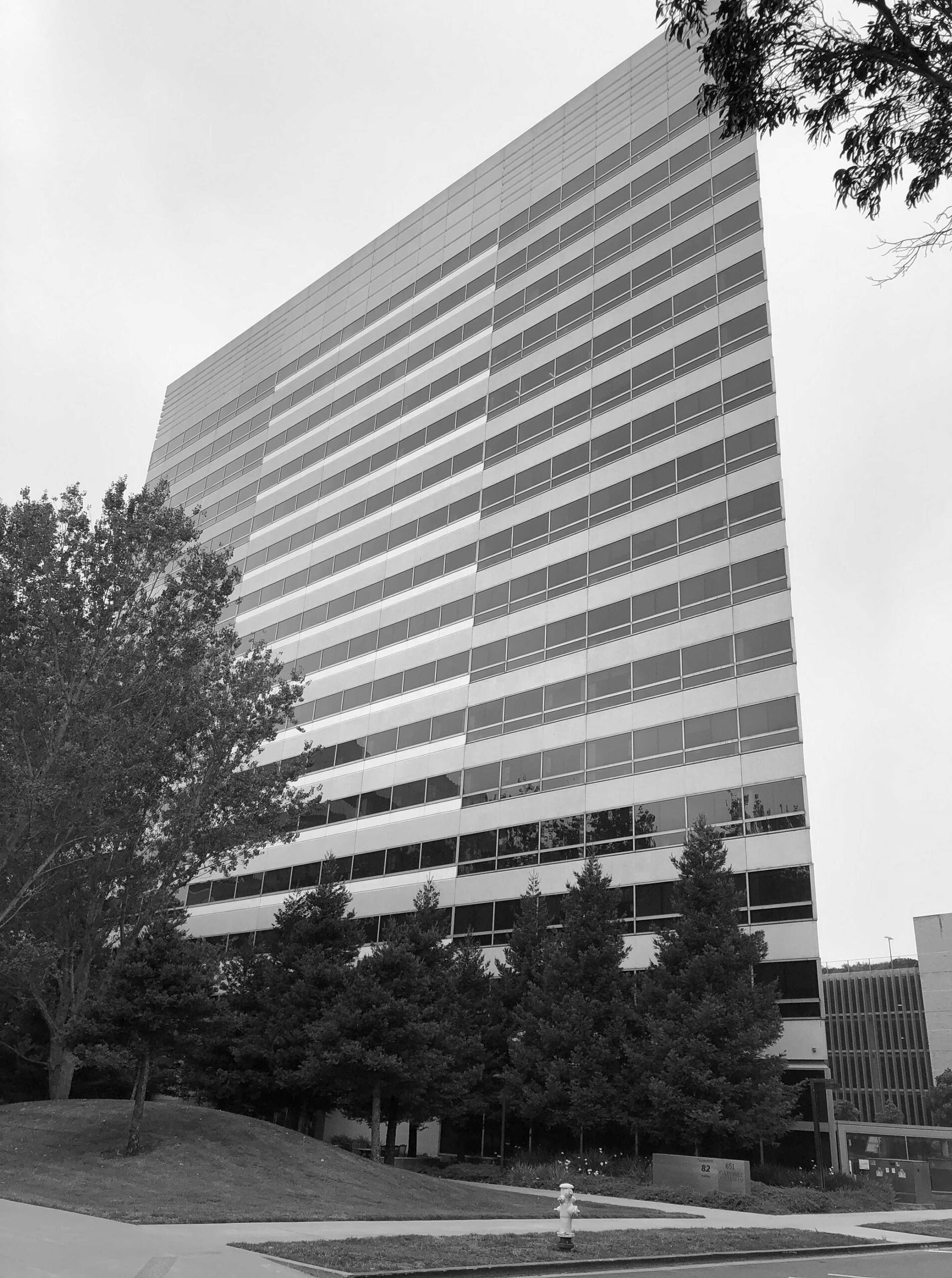
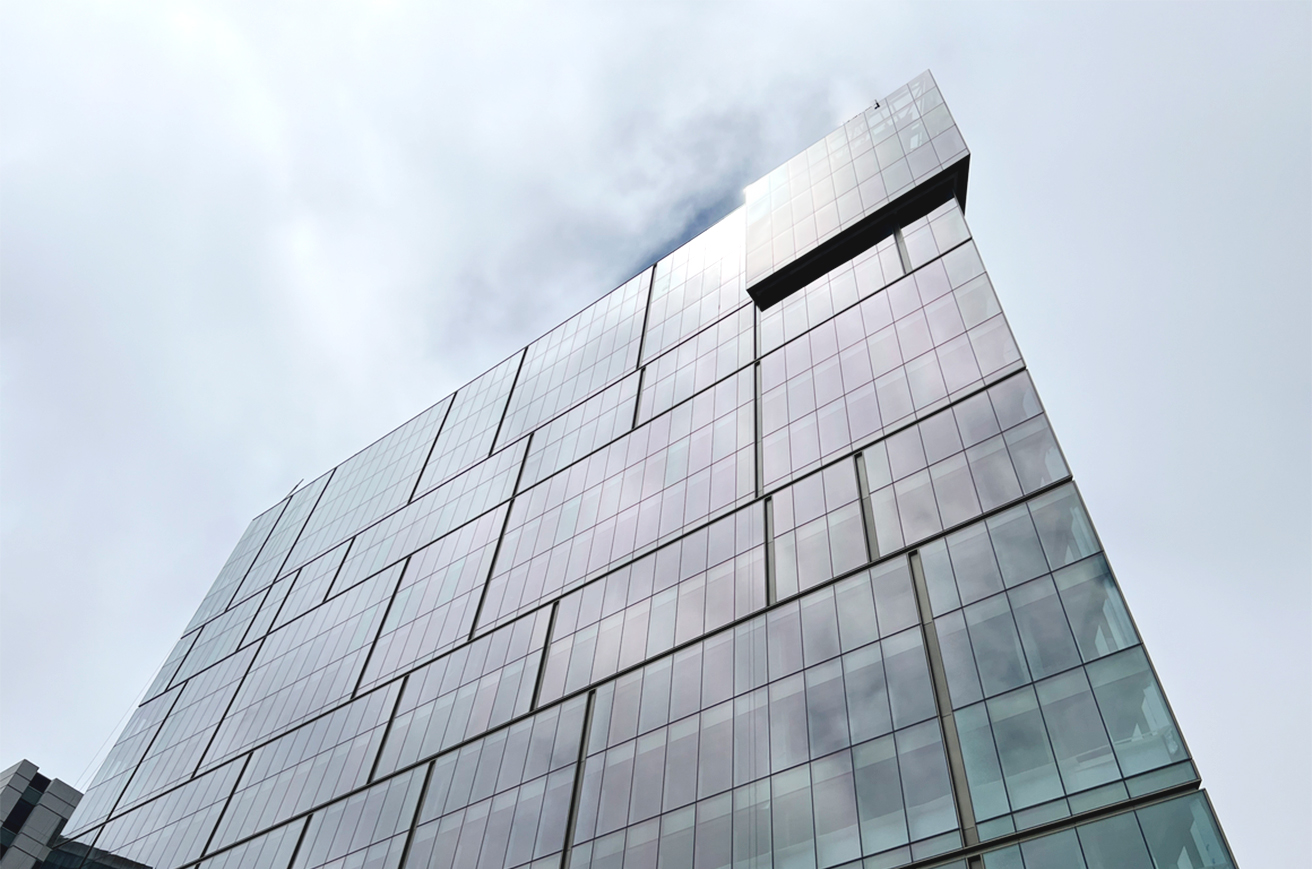
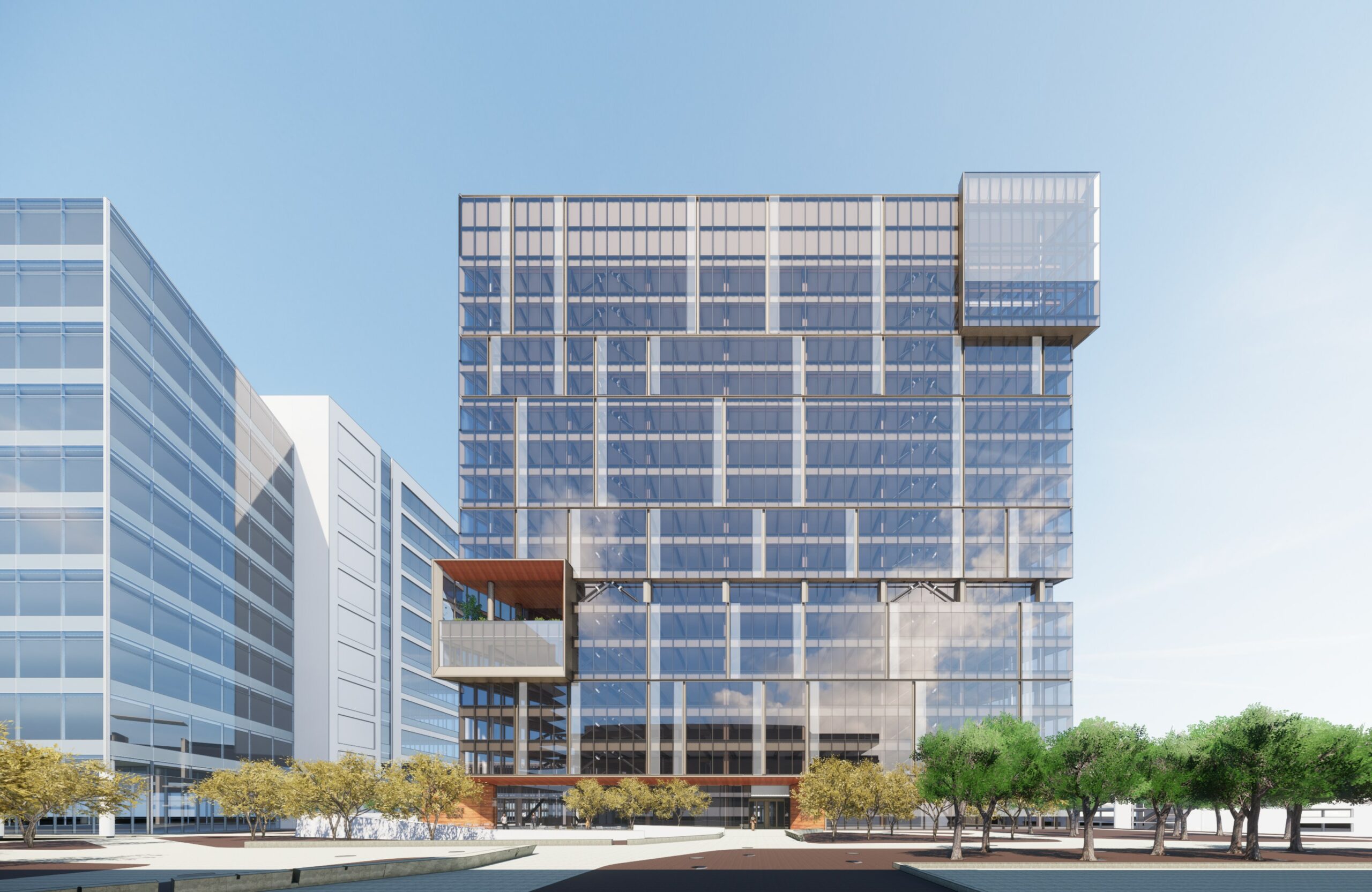
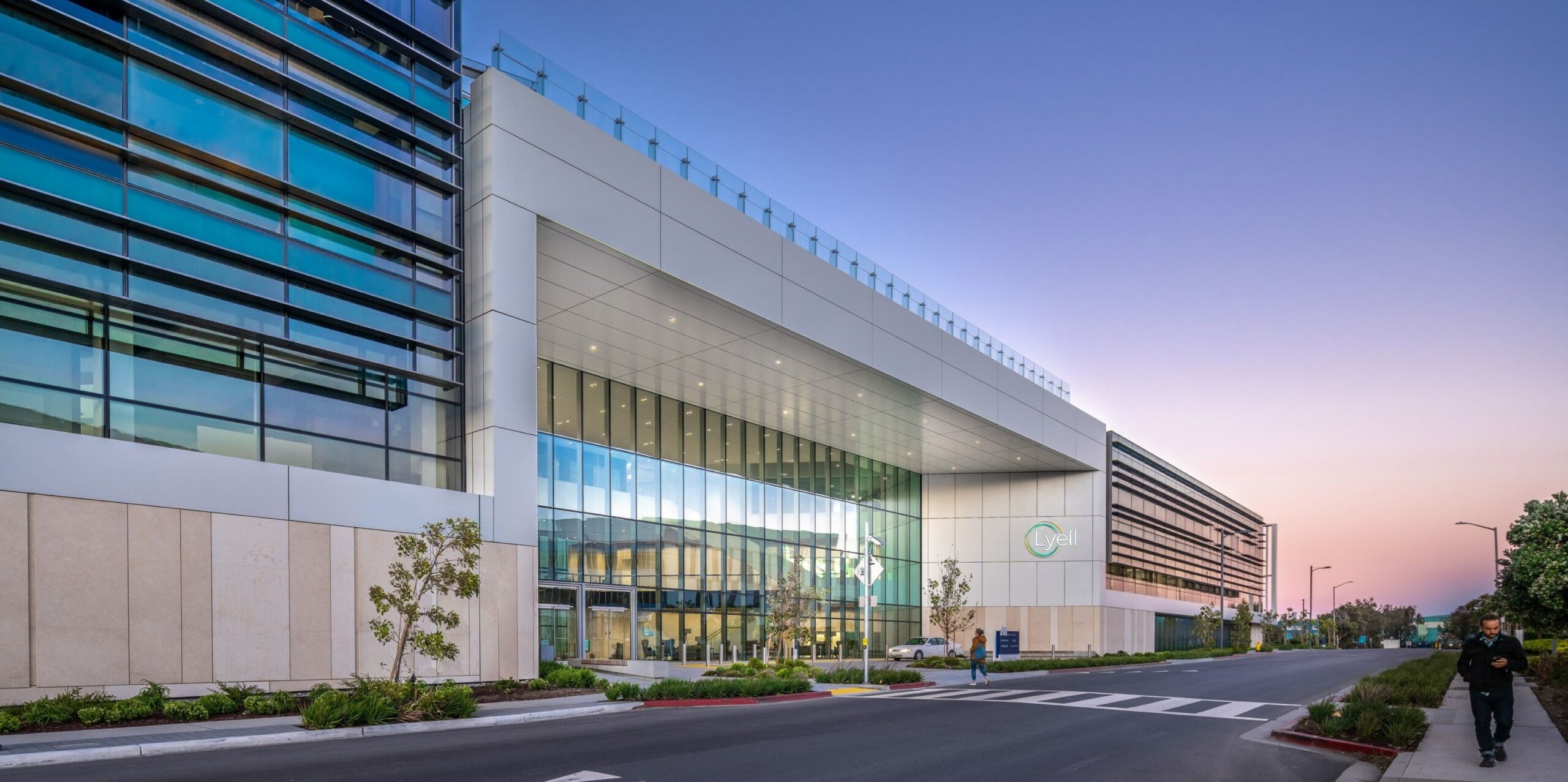
Originally designed as a traditional office tower with individual offices, the design team updated the building to attract life sciences companies with modern, connected workplace environments that expand research capabilities, emphasize collaboration, foster wellbeing, and flex to support ever-changing tools and technologies.

Repositioning for research and innovation

Previous Slide
Next Slide
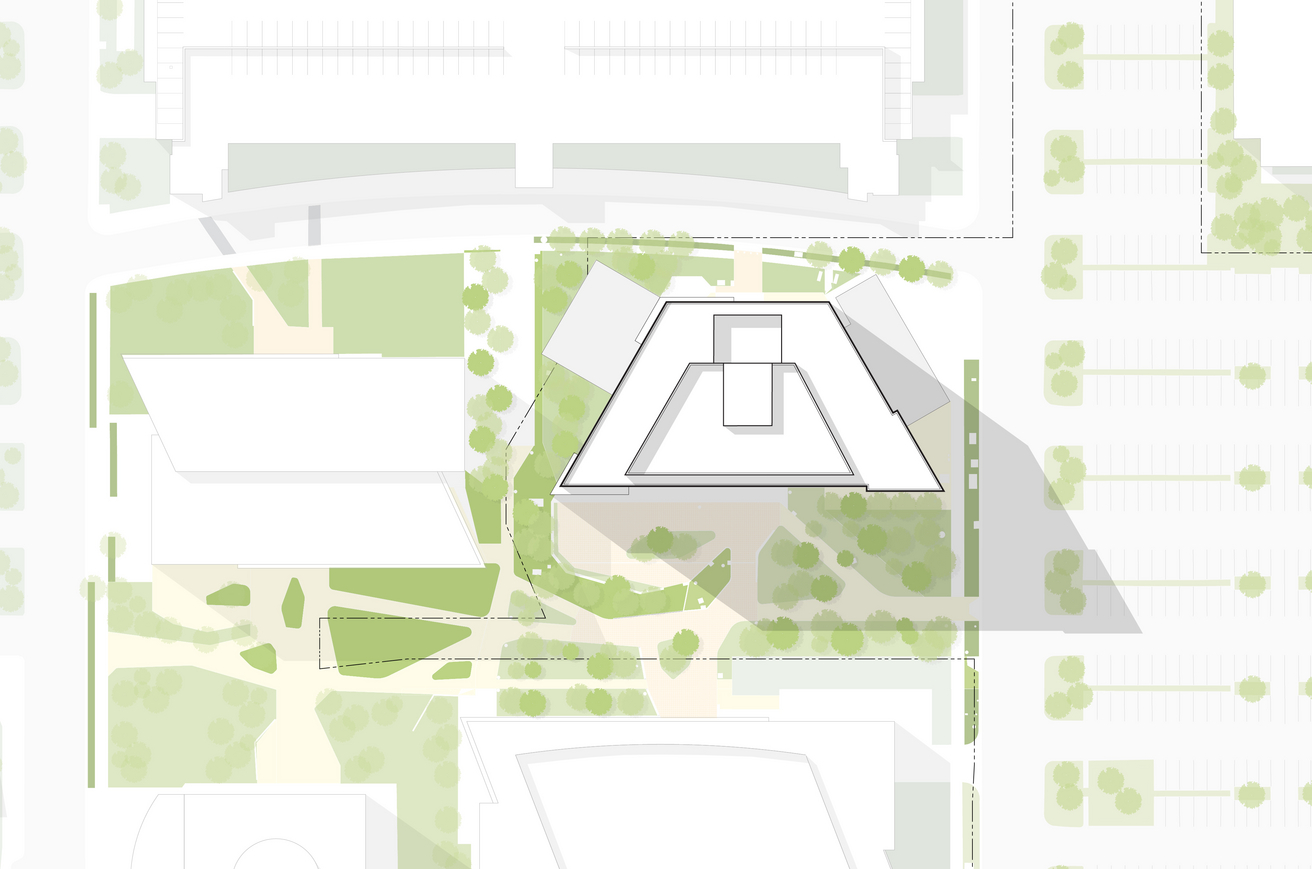
Site plan
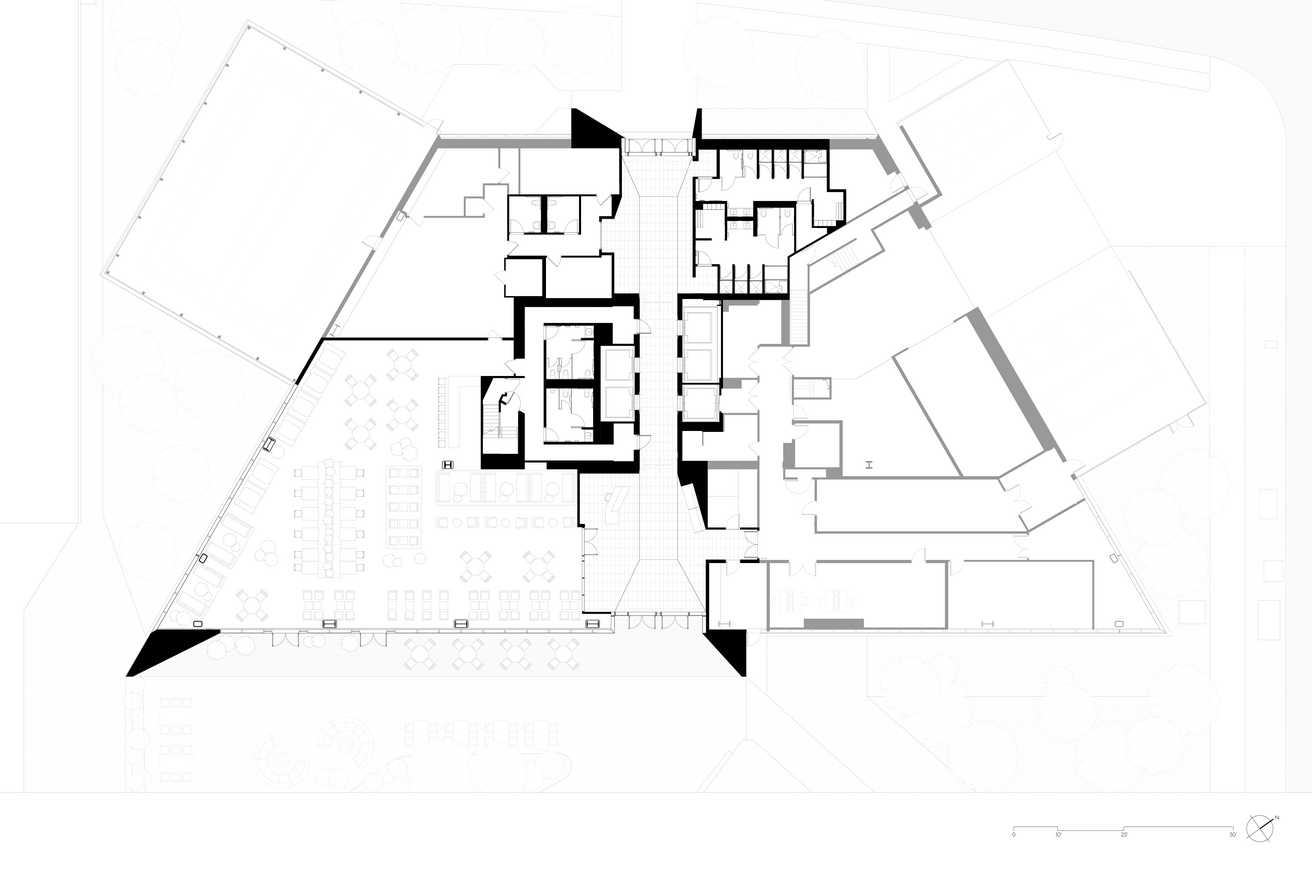
Plan
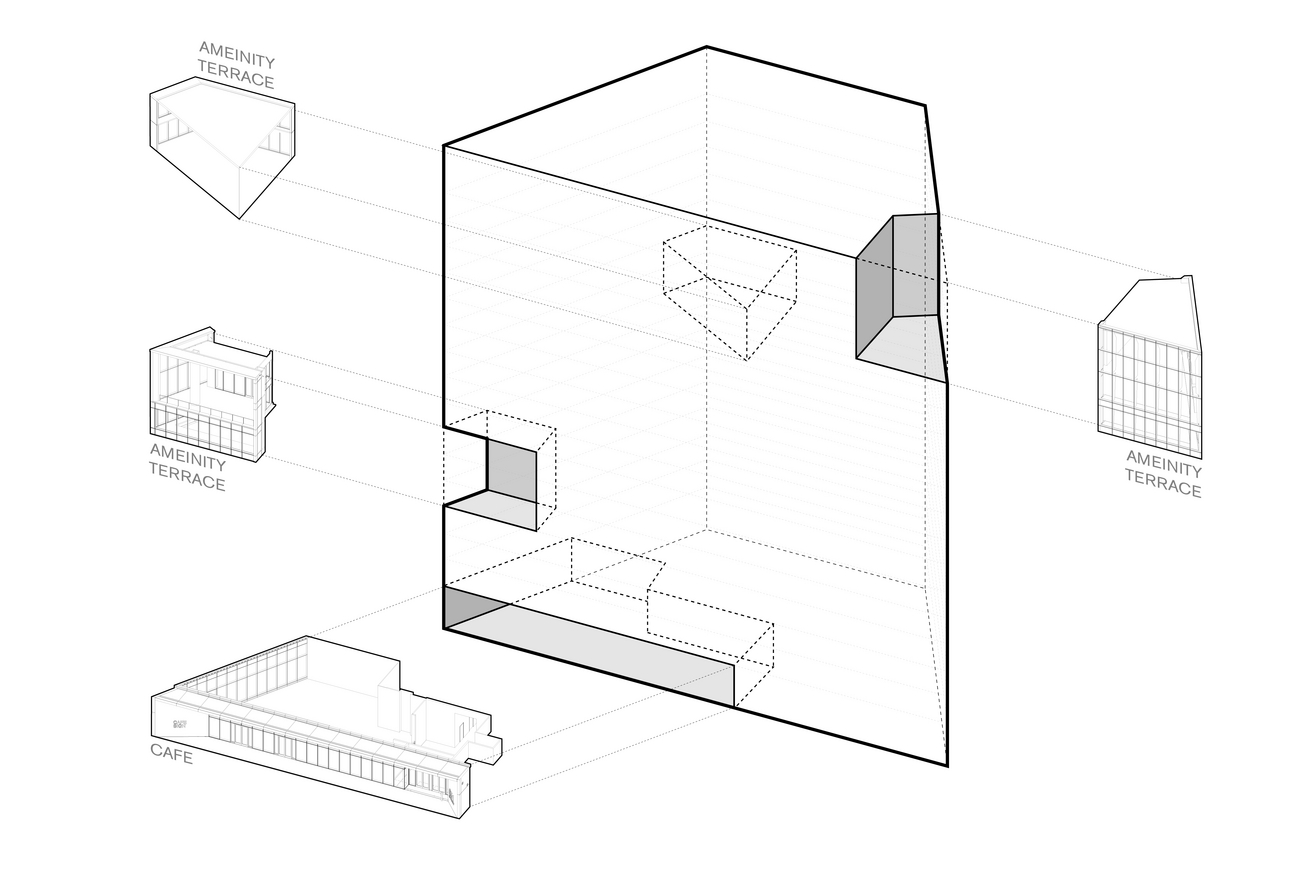
Lanterns
New envelope

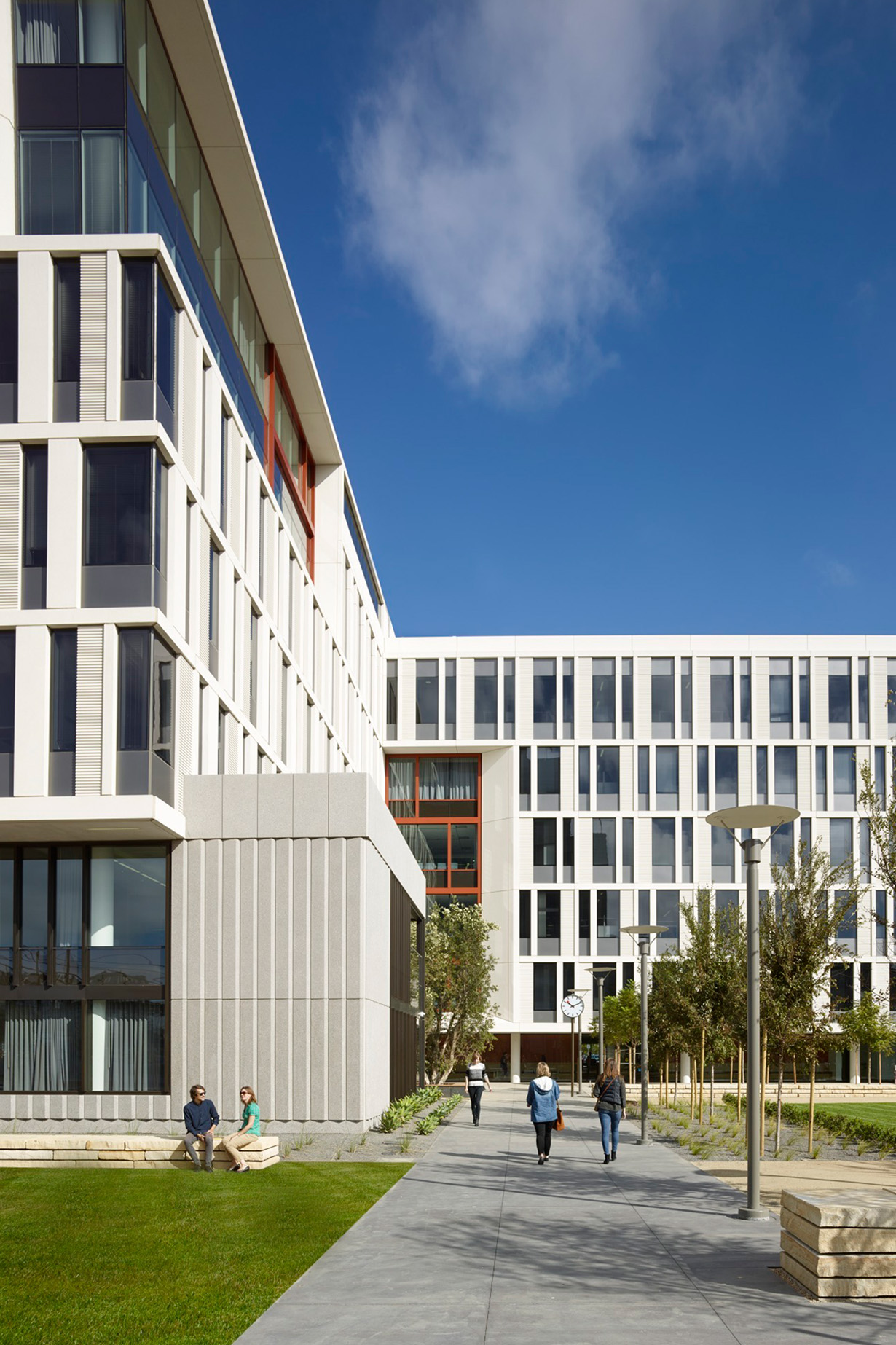
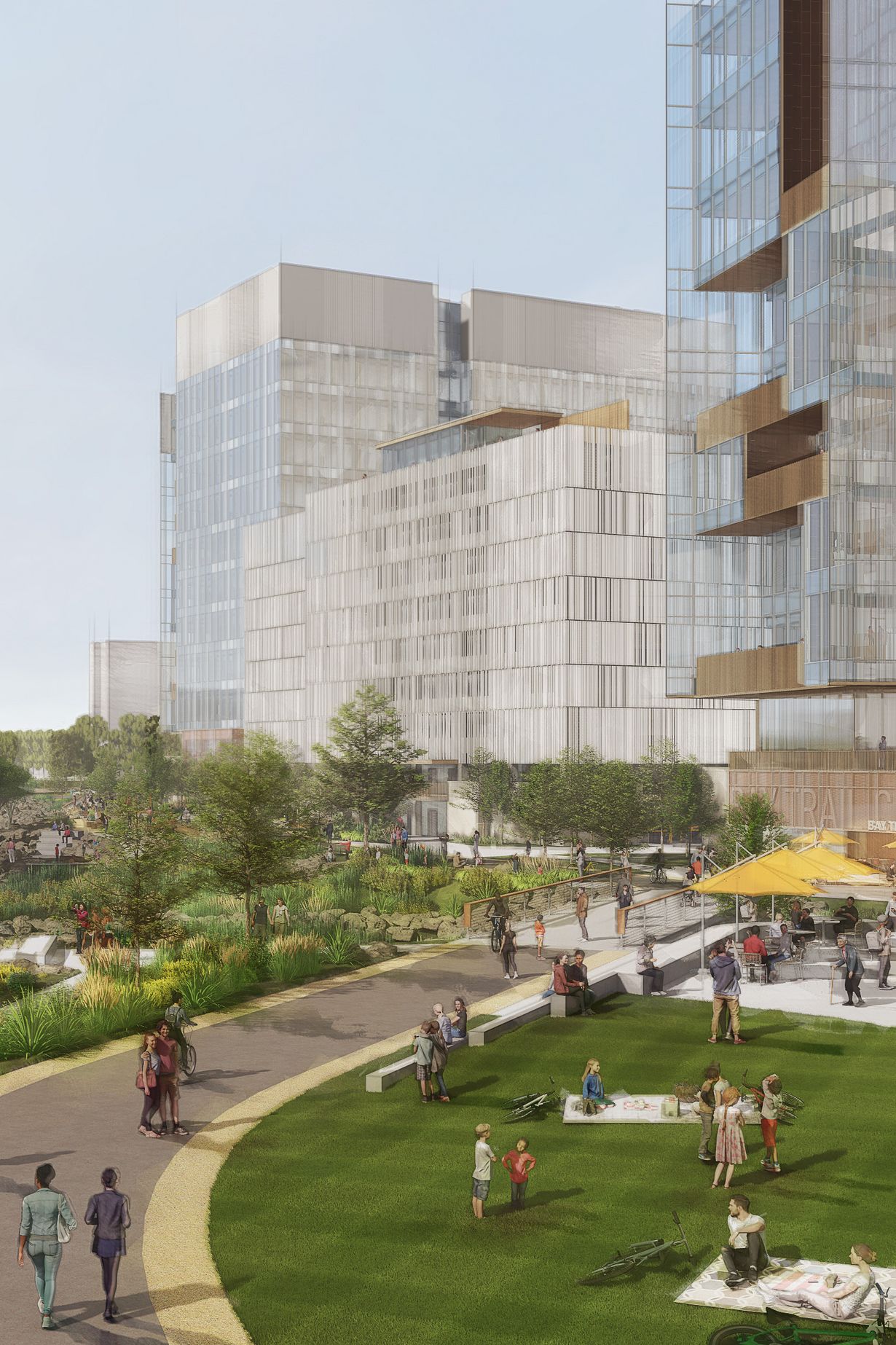
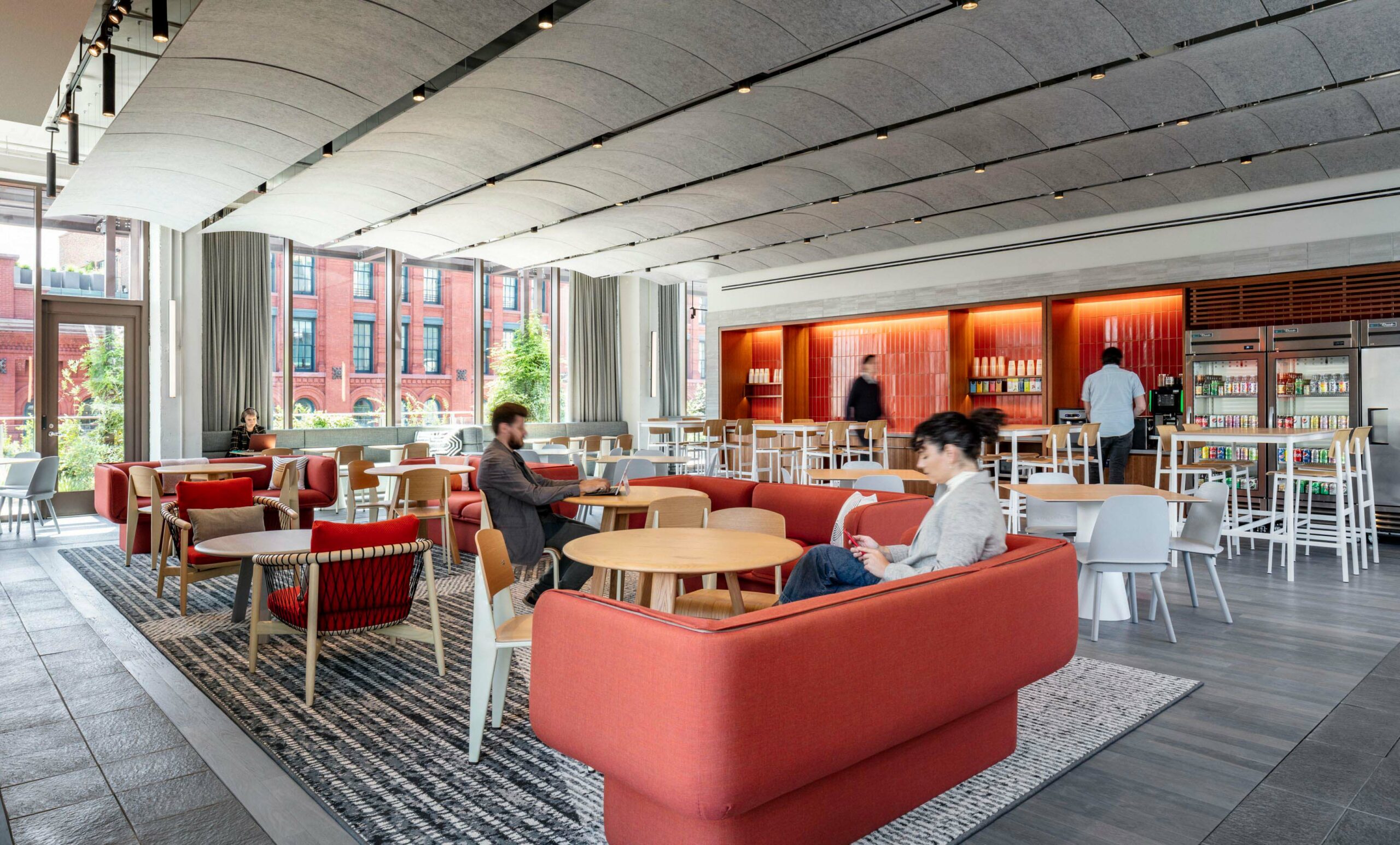
The project leverages its proximity to mass transit, with Caltrain, ferry services, and regional bike routes all within walking distance. The redesigned ground floor enhances these connections with an indoor/outdoor café that activates the lobby and flows seamlessly into the leafy plaza. Strategic cuts in the floor slabs introduce illuminated “lanterns” that break up the façade, creating dynamic spaces for team-building activities. Together, the research environments, amenities, and landscape create a flexible framework that will adapt to changes in personnel and research.

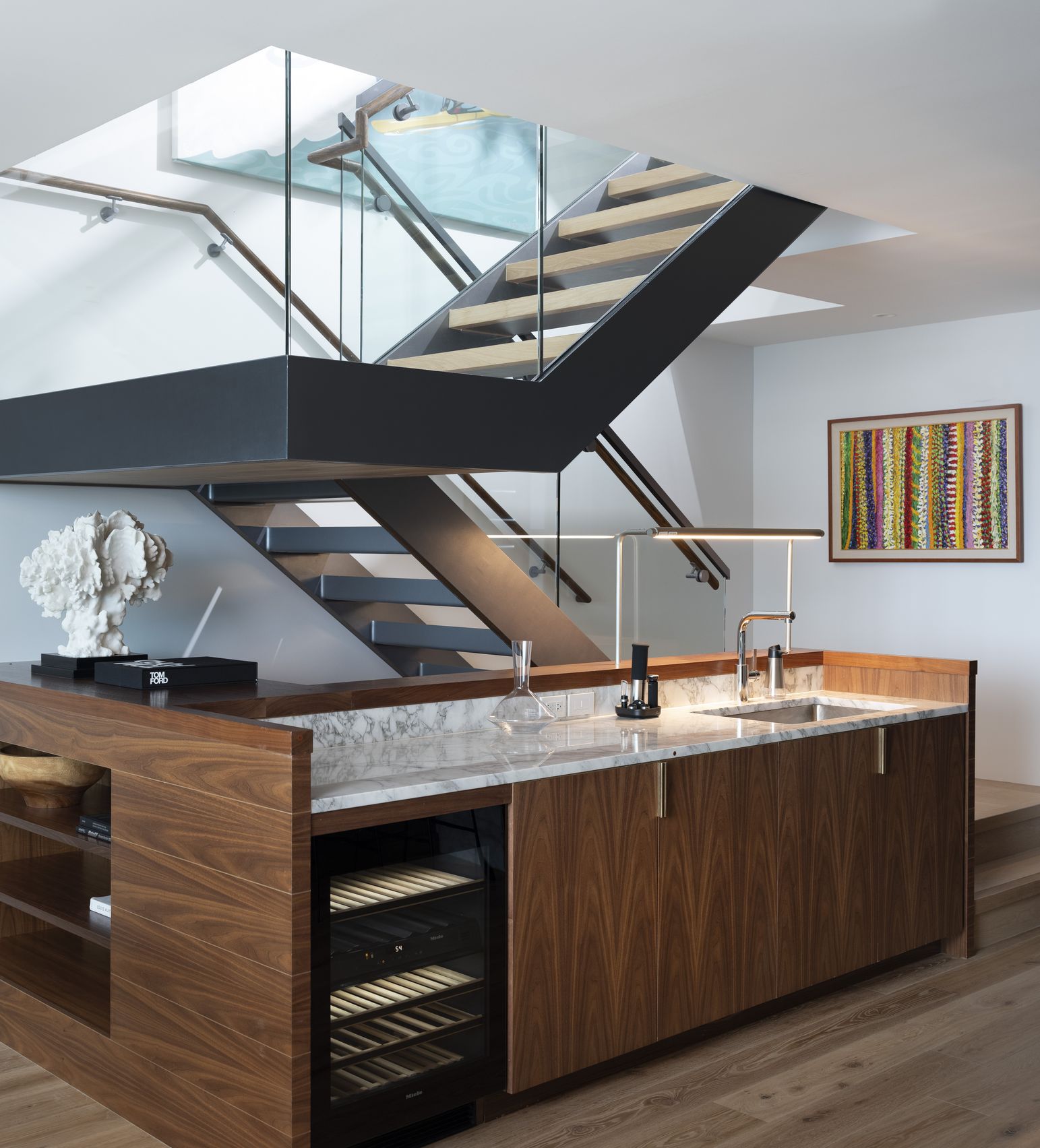
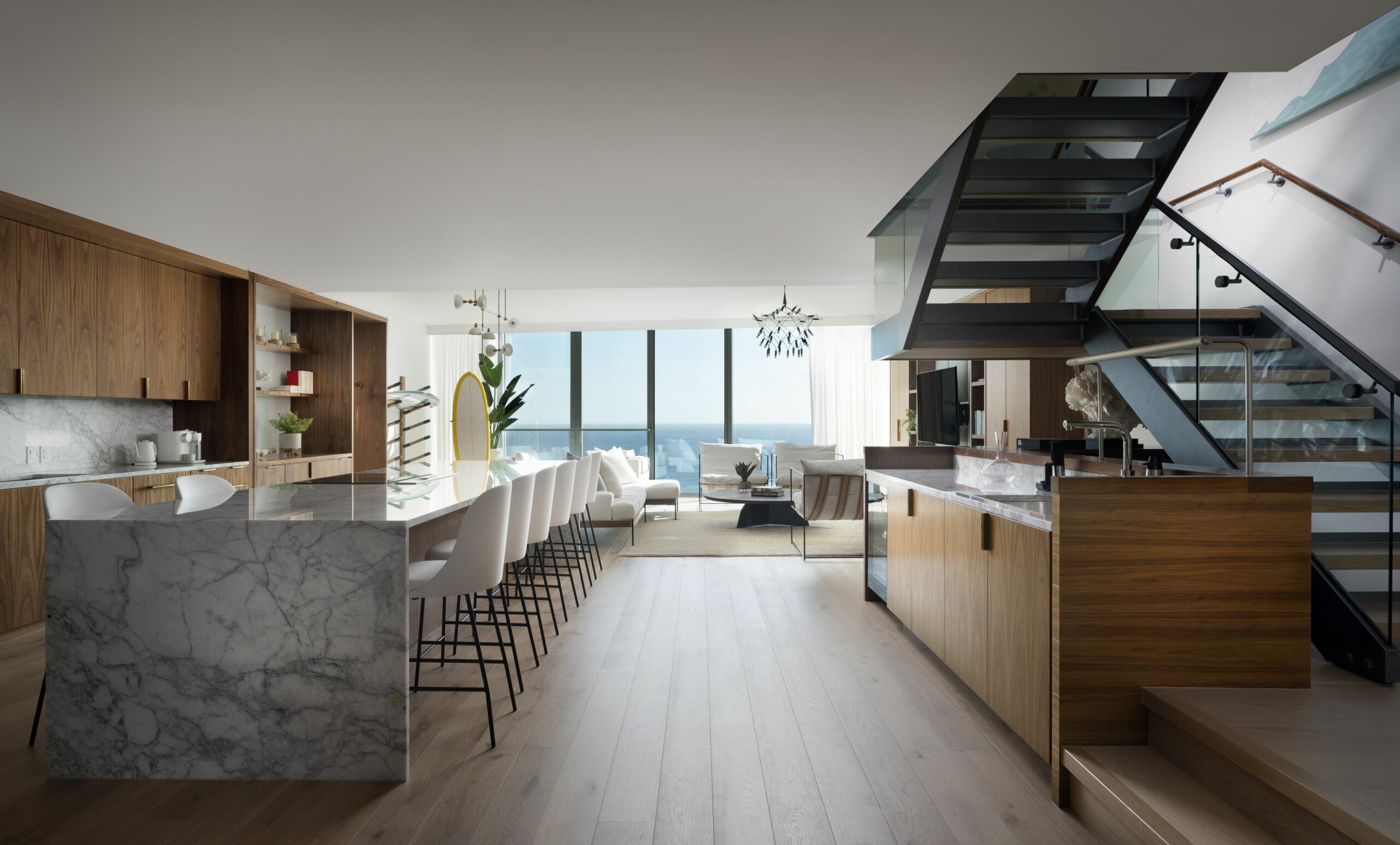
A residence tailored for luxury retreat

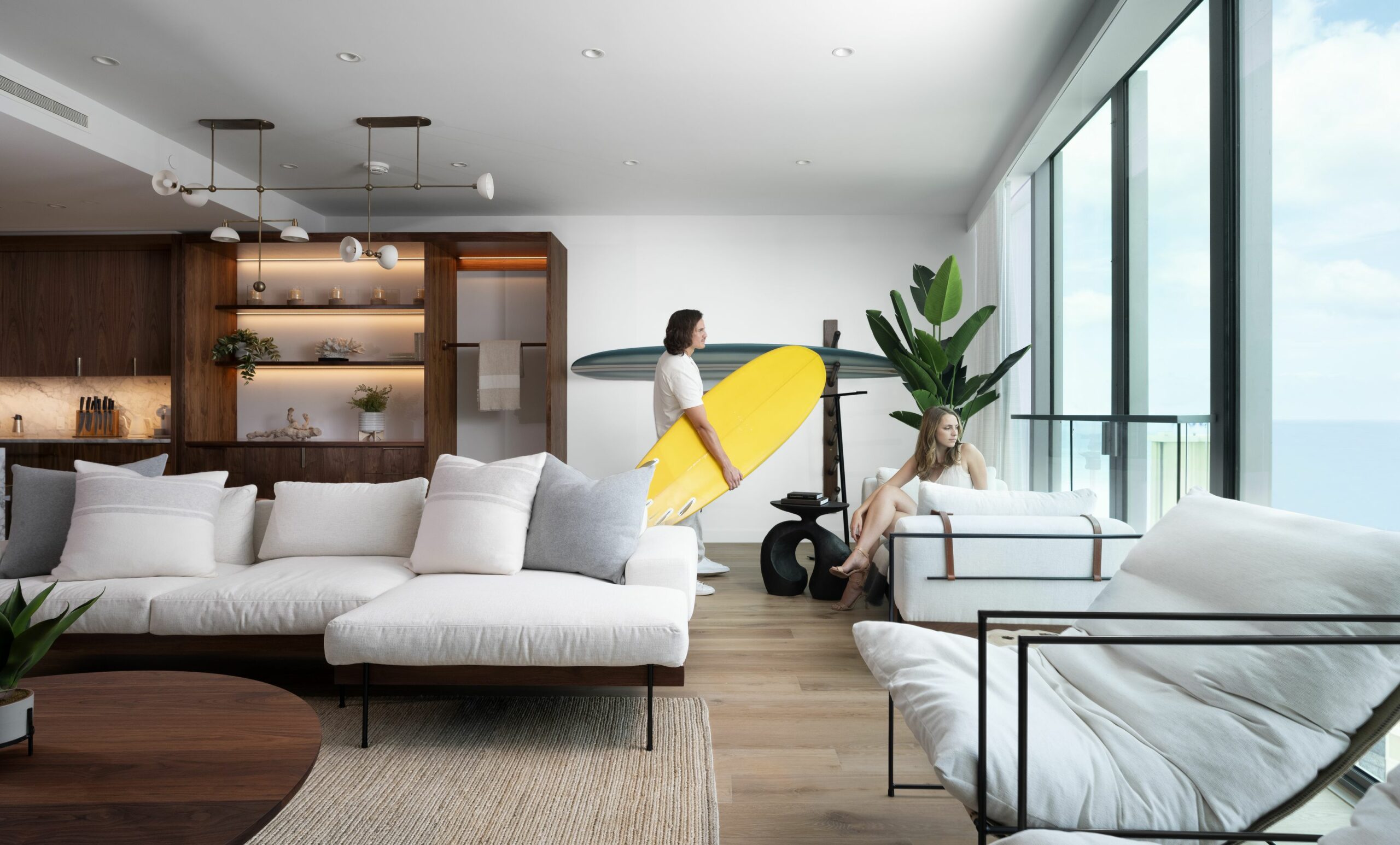
At the heart of the penthouse, a grand marble kitchen island with a waterfall edge anchors the main space, inviting rich dining experiences. Walnut wood cabinetry extends seamlessly from the kitchen into the living area, where custom millwork artfully displays the owner’s hobbies. This thoughtful integration continues into the living room, pairing natural materials with refined furnishings to create a welcoming space for gathering. Upstairs, the second floor features two bedrooms, each with its own distinct personality, while curated artwork and sculptures from local Hawaiian artists capture the spirit of the islands throughout the home.
Stanford Translational Research Campus: CJ Huang

A comprehensive vision for growth

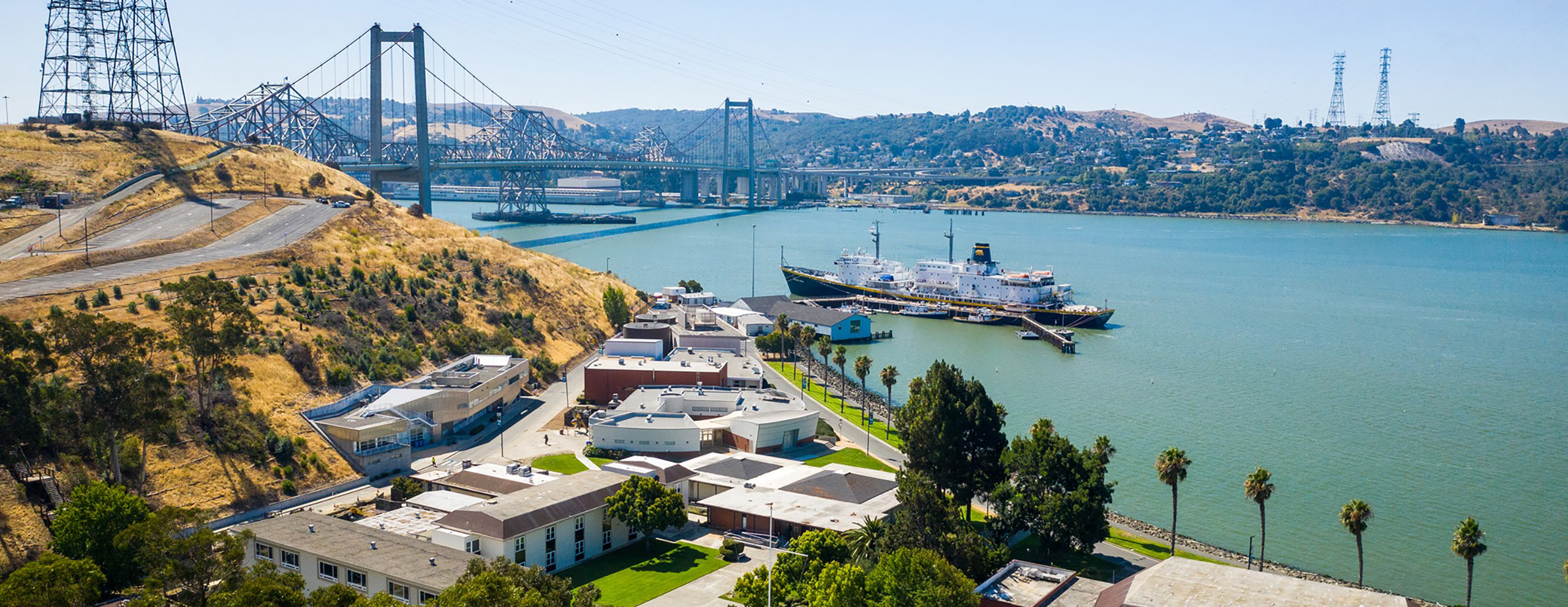
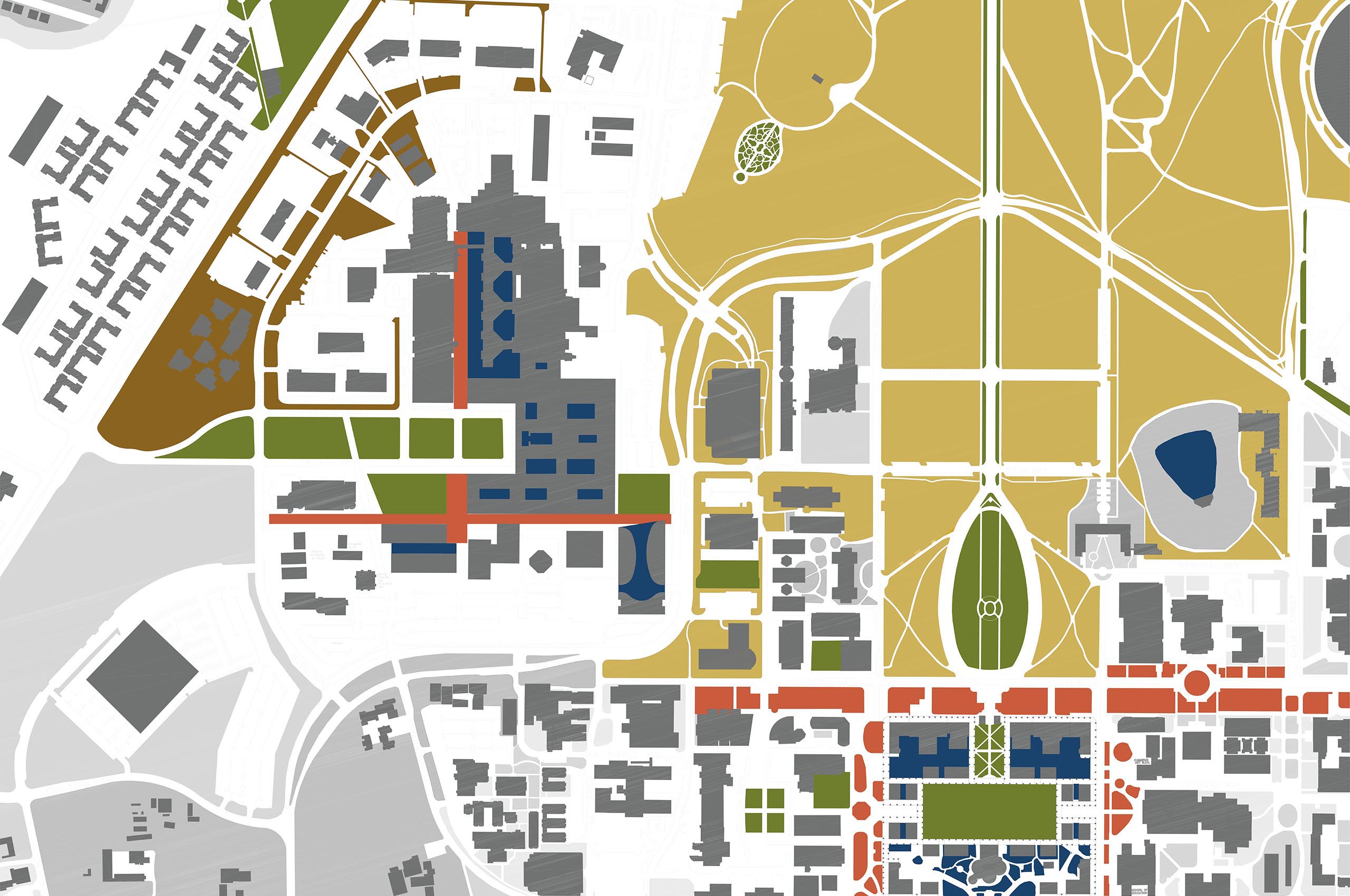
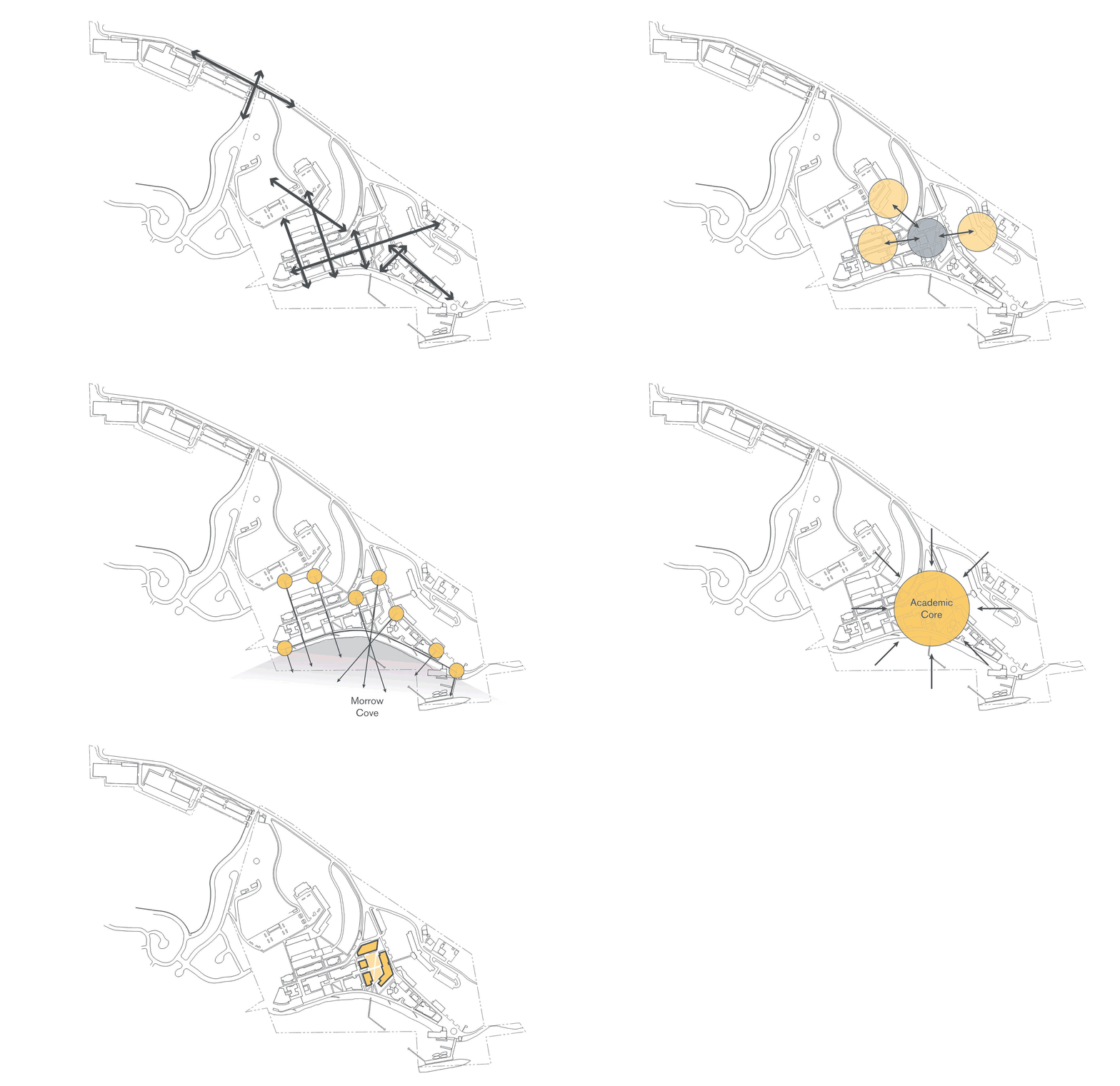
Our scope encompassed a comprehensive assessment of the campus’s ecology, circulation, landscape character, built environment, infrastructure, and connectivity. These findings were carefully evaluated alongside growth projections, development budgets, evolving pedagogy, and the university’s long-term vision. 

The resulting campus plan optimizes existing assets by redeveloping current building sites, utilizing underused land, and strategically increasing densities where appropriate. We also developed detailed long-term growth projections, providing data and metrics to help the university understand its capacity at various stages of development.

Anchoring and activating the academic core

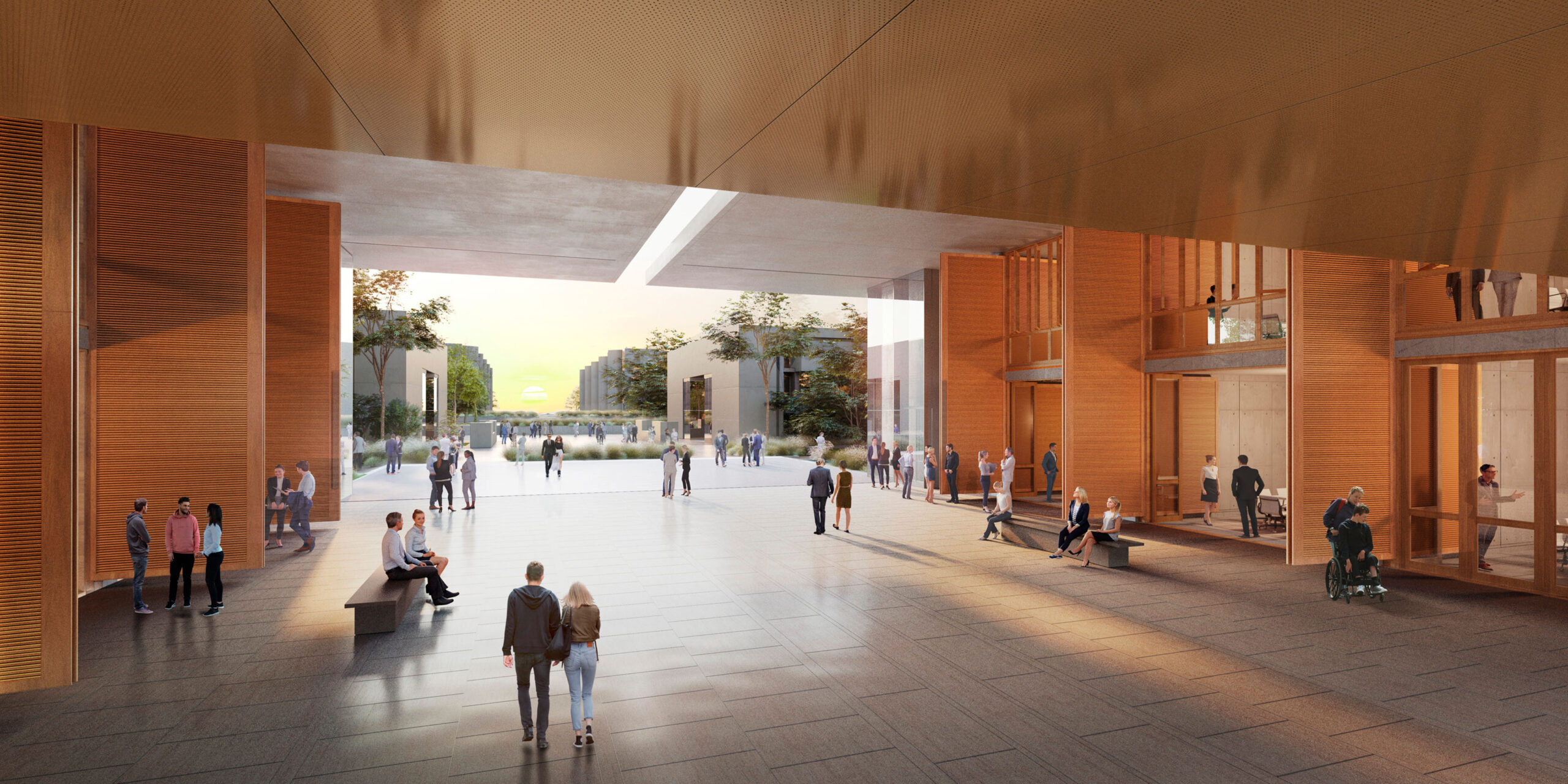
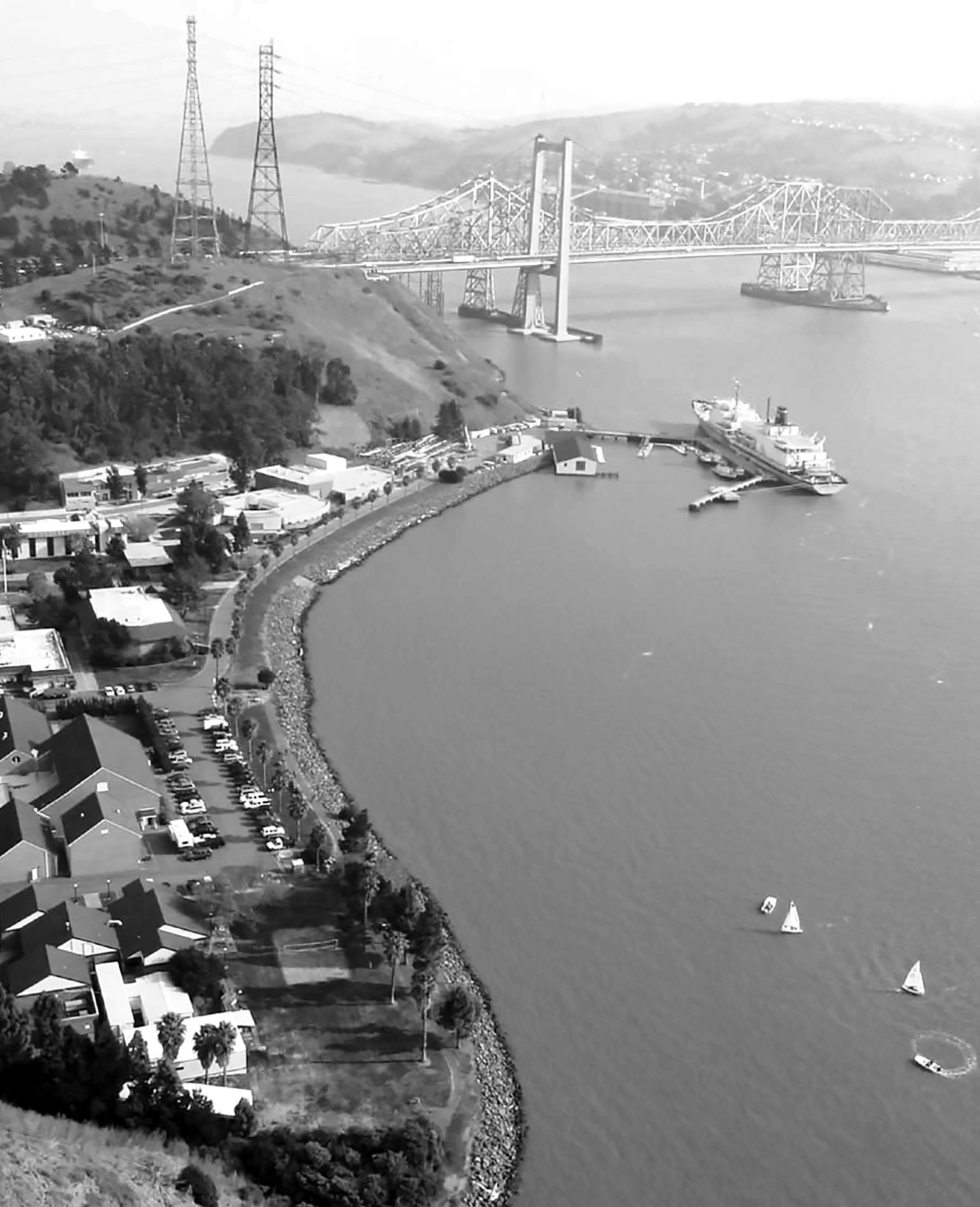
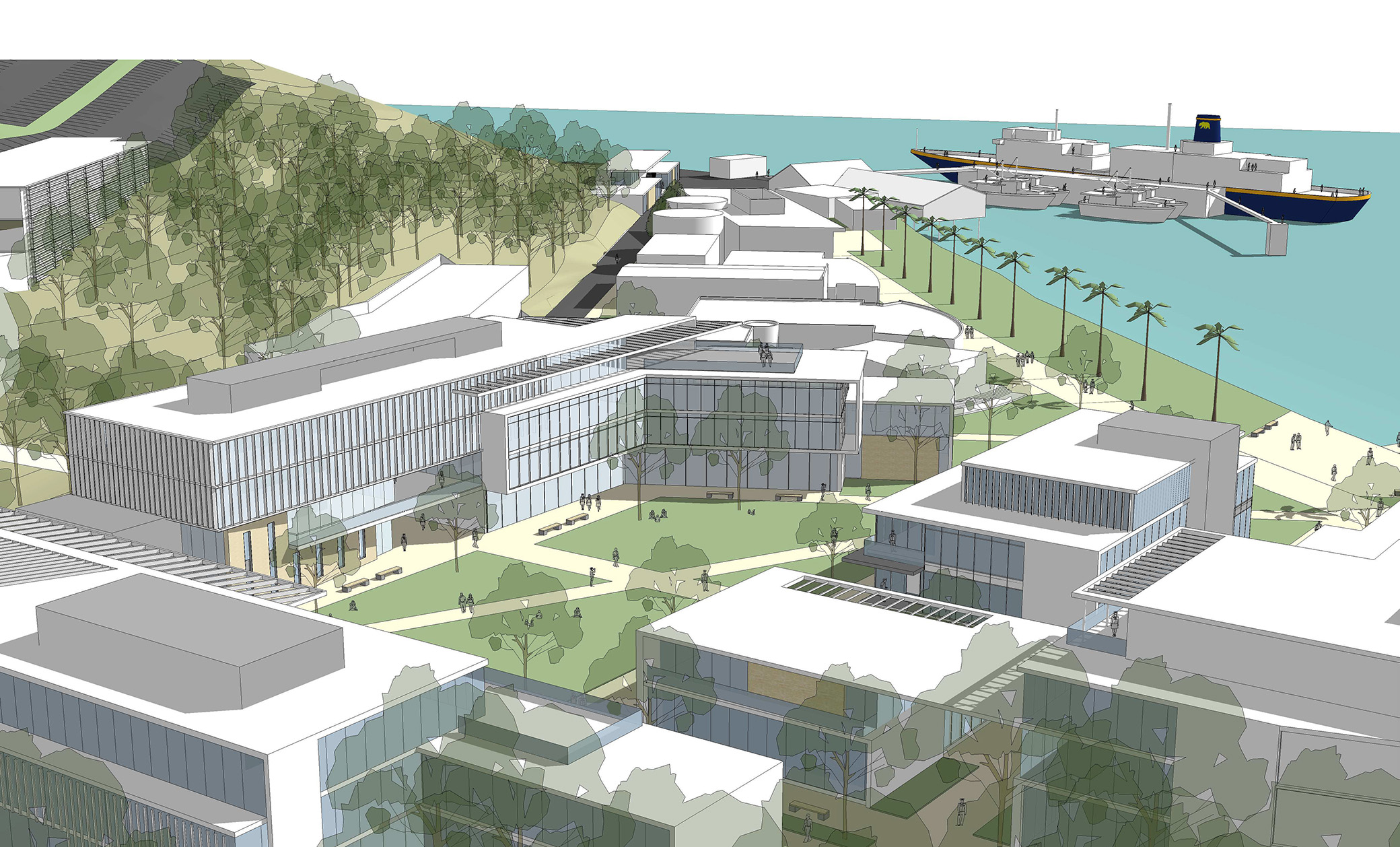
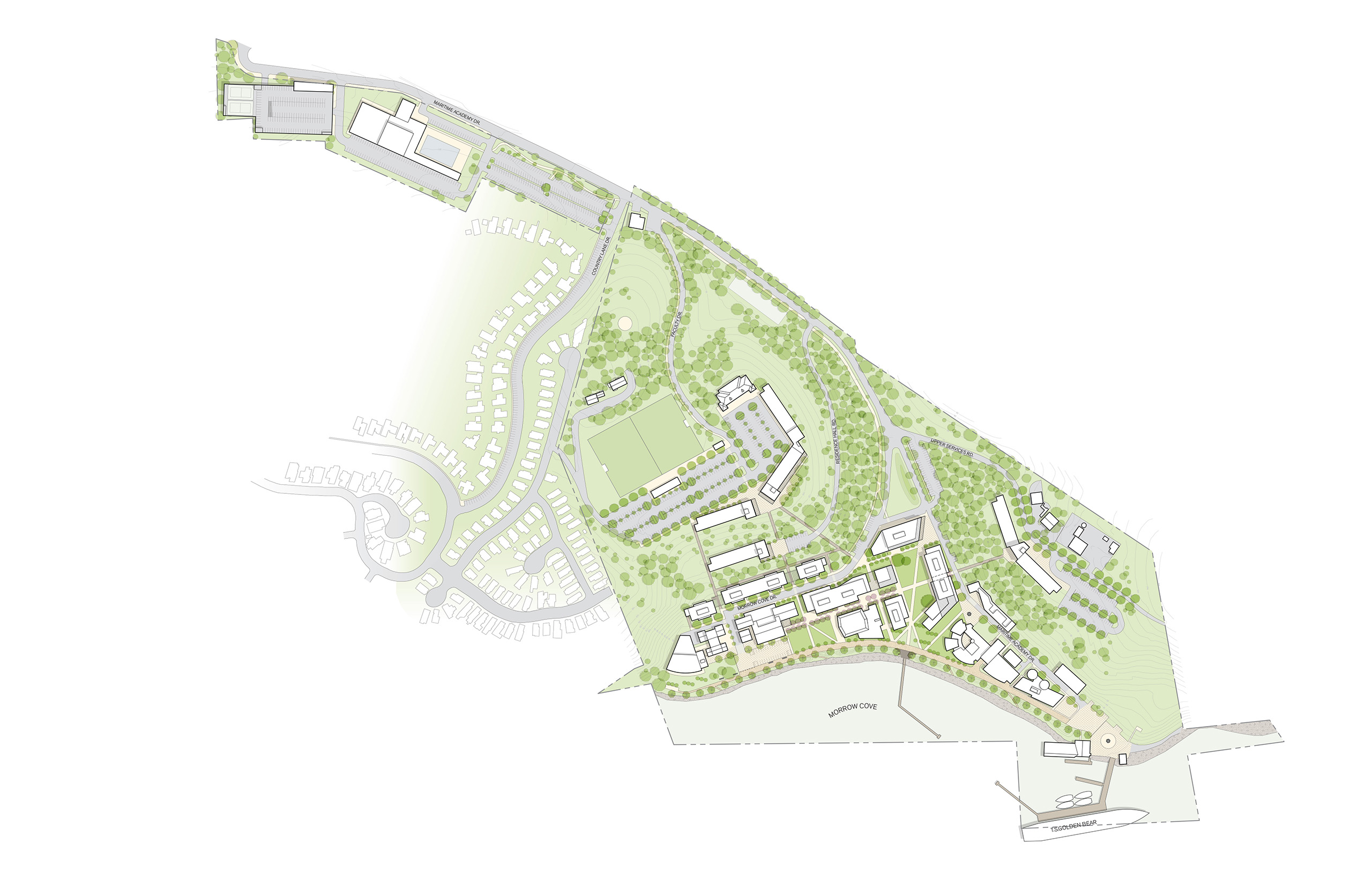
The plan’s vision is most prominently realized in the Academic Core, where six new buildings and two renovations are proposed. By shifting the Main Quad eastward, the plan opens the Academic Core to the waterfront, creating stronger connections and a more cohesive arrangement of existing and future facilities.
 

Design Framework

Previous Slide
Next Slide
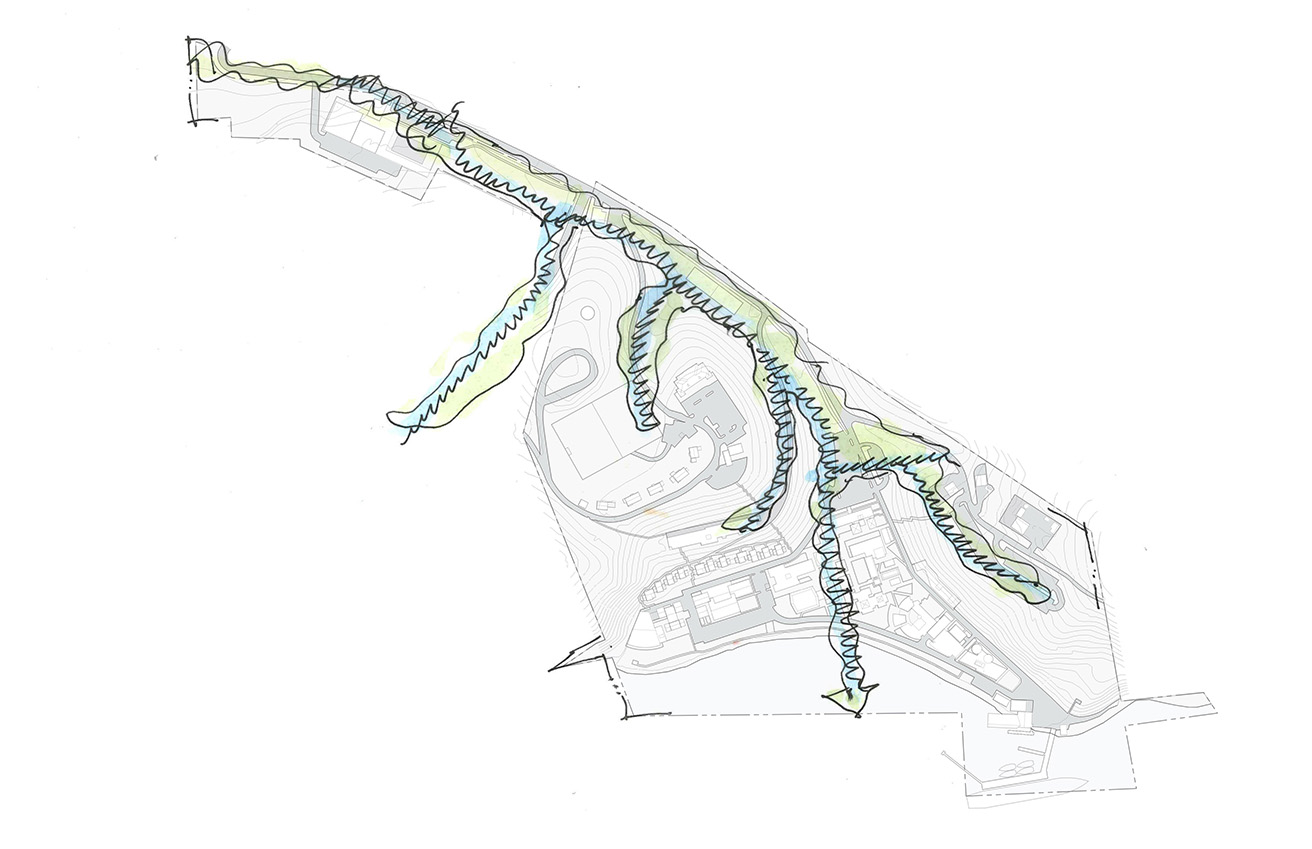
Circulation and hydrology
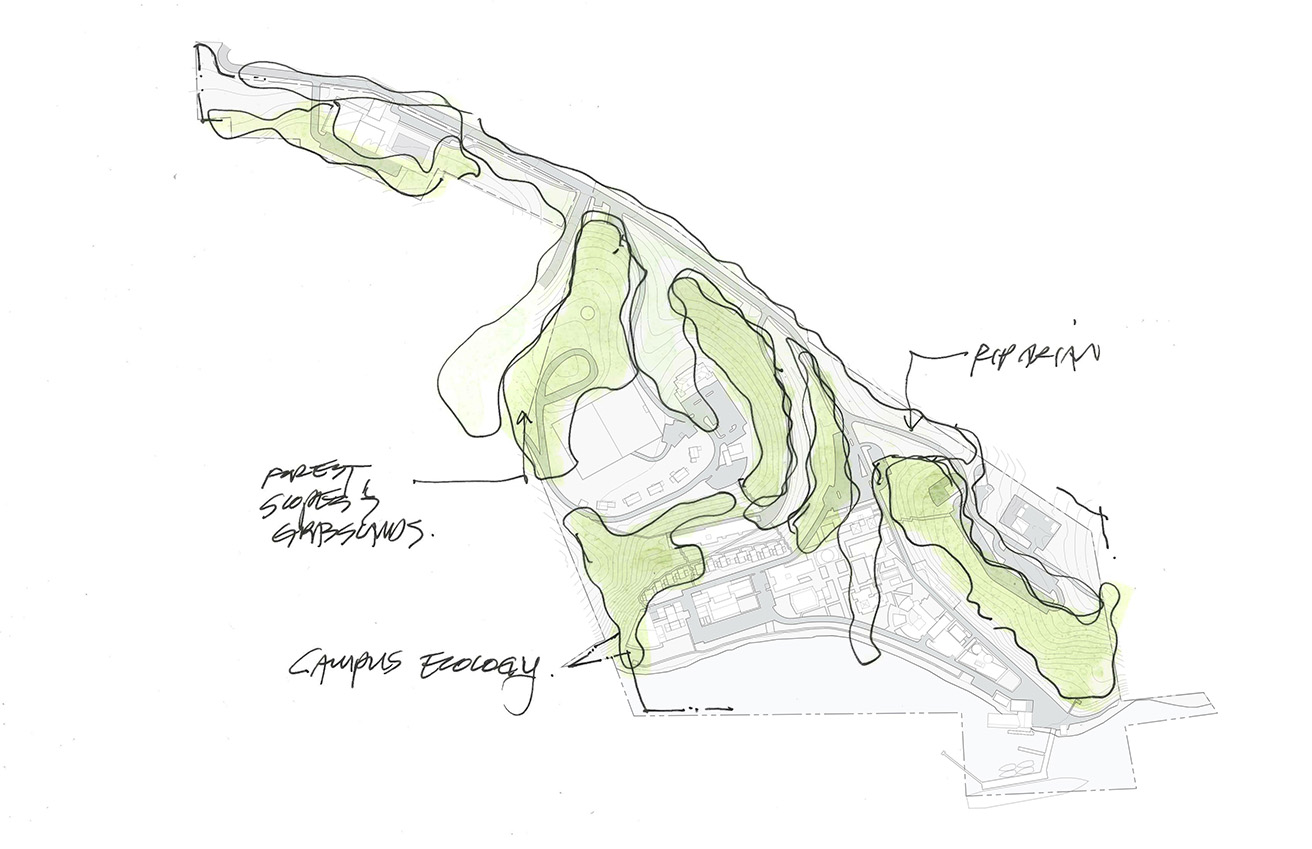
Ecological Zones
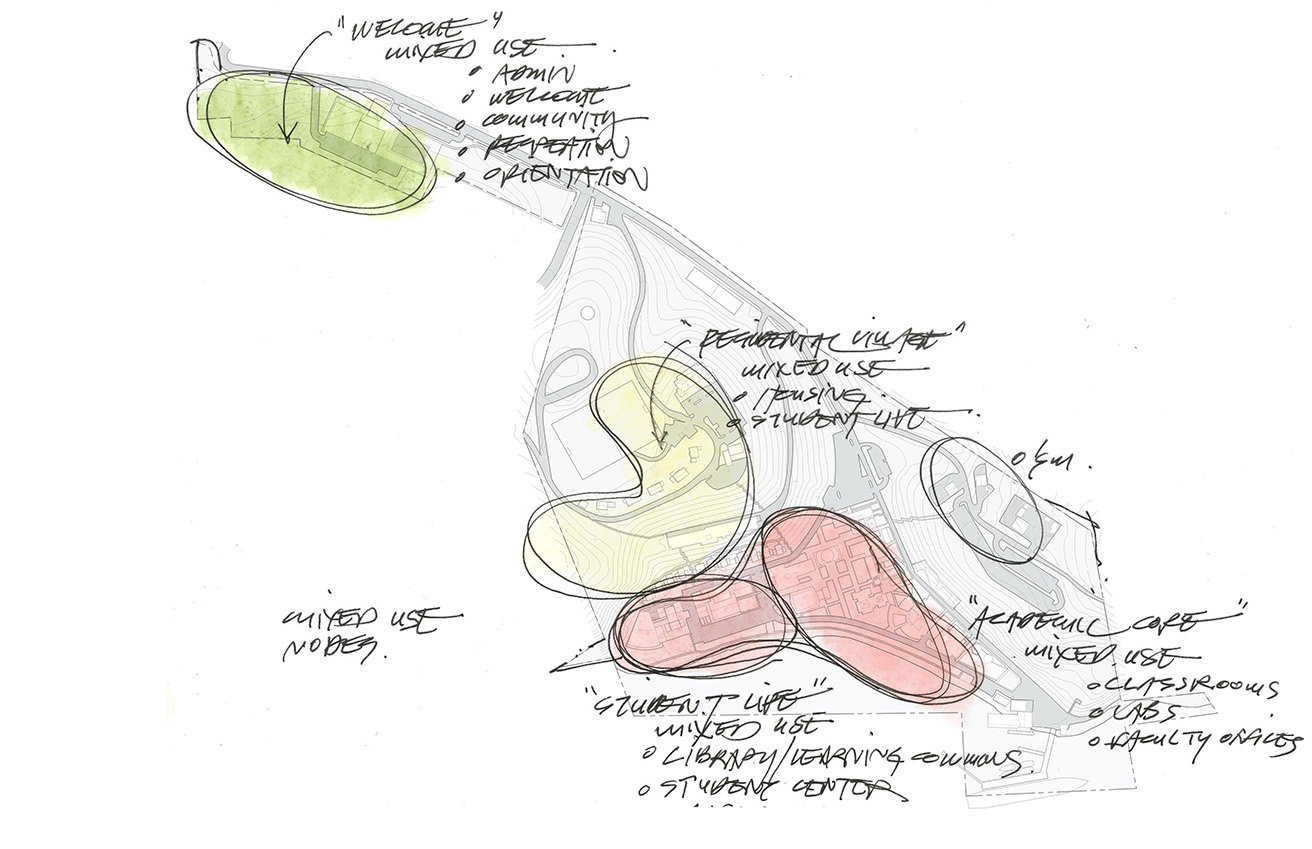
Mix of Uses
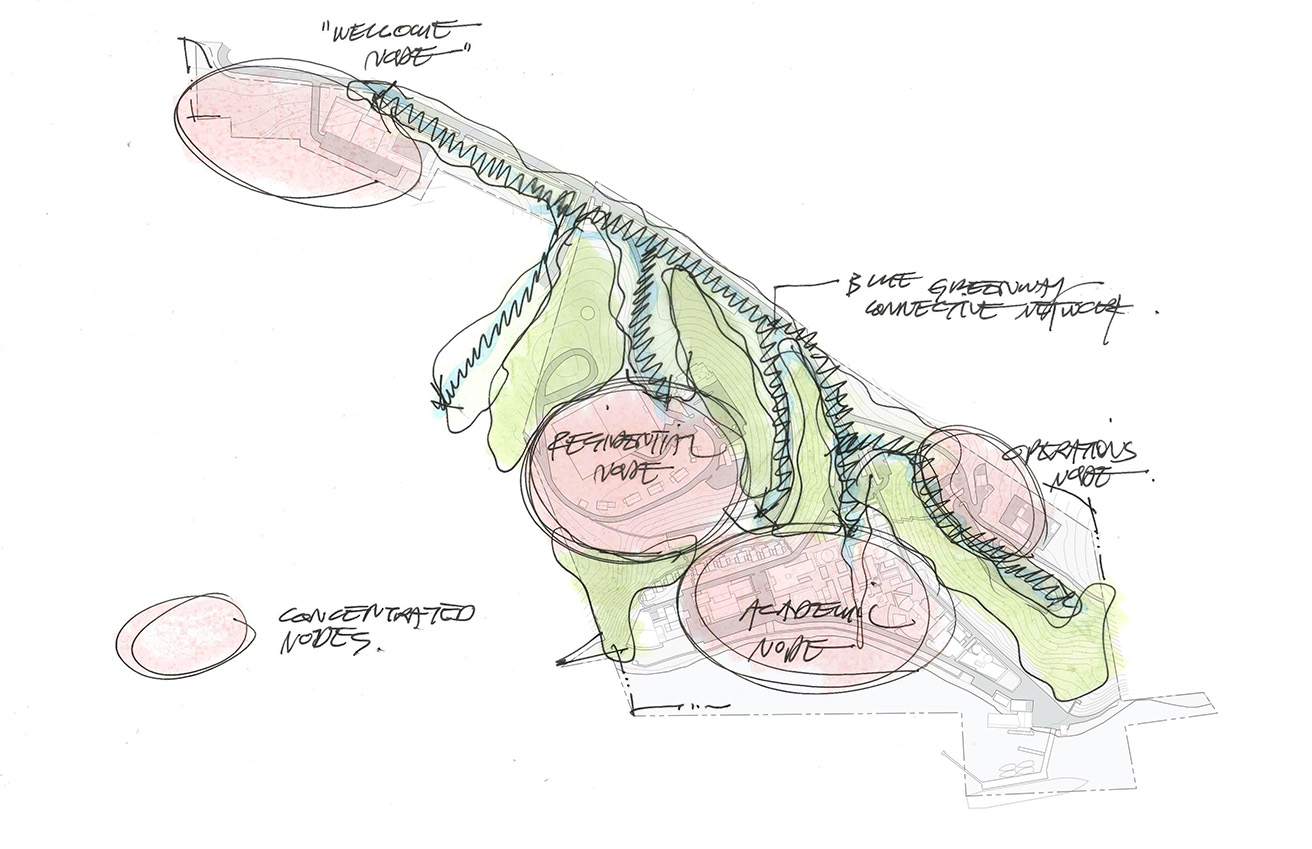
Concentrated Nodes

Creating a new campus gateway

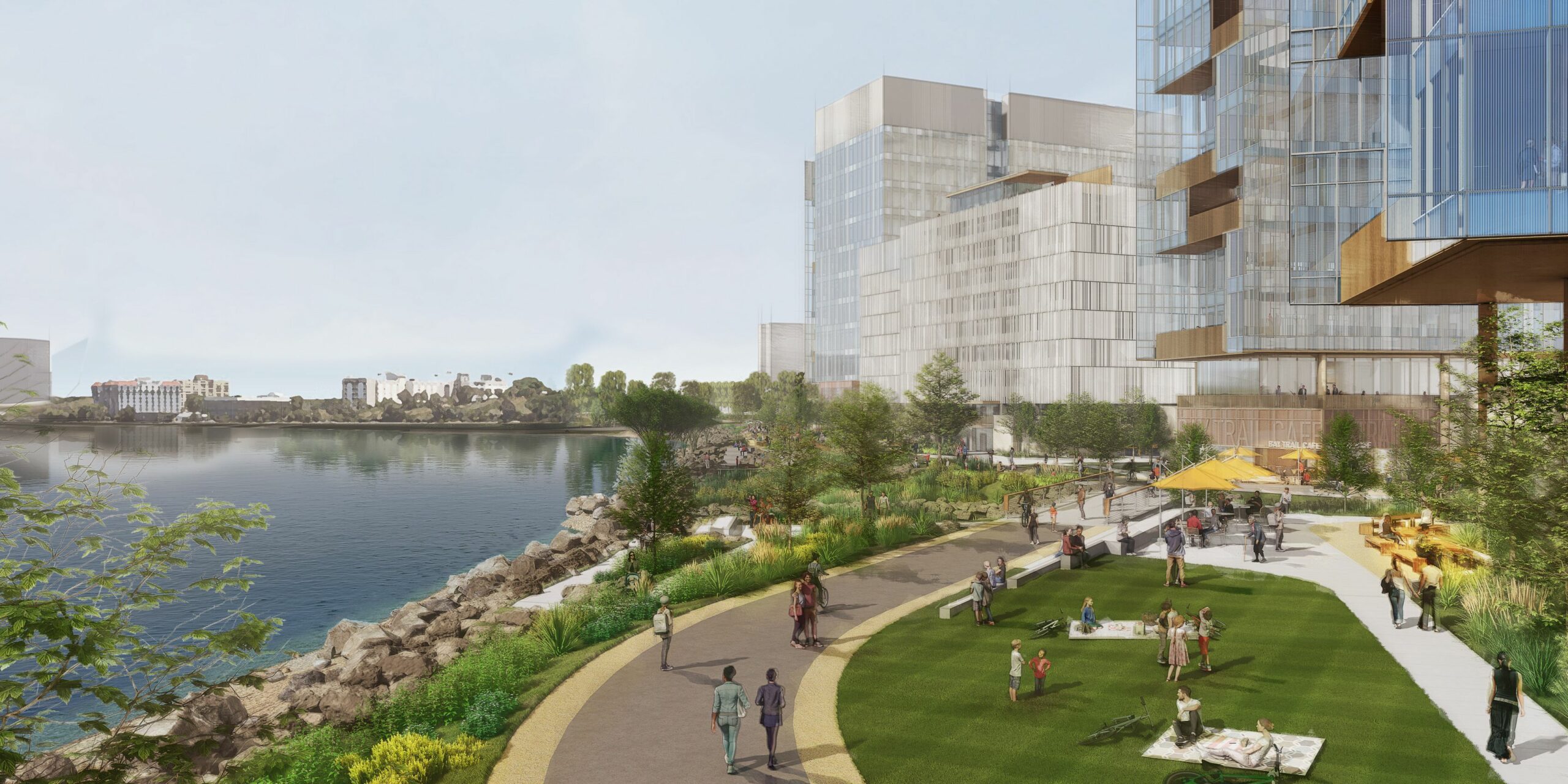
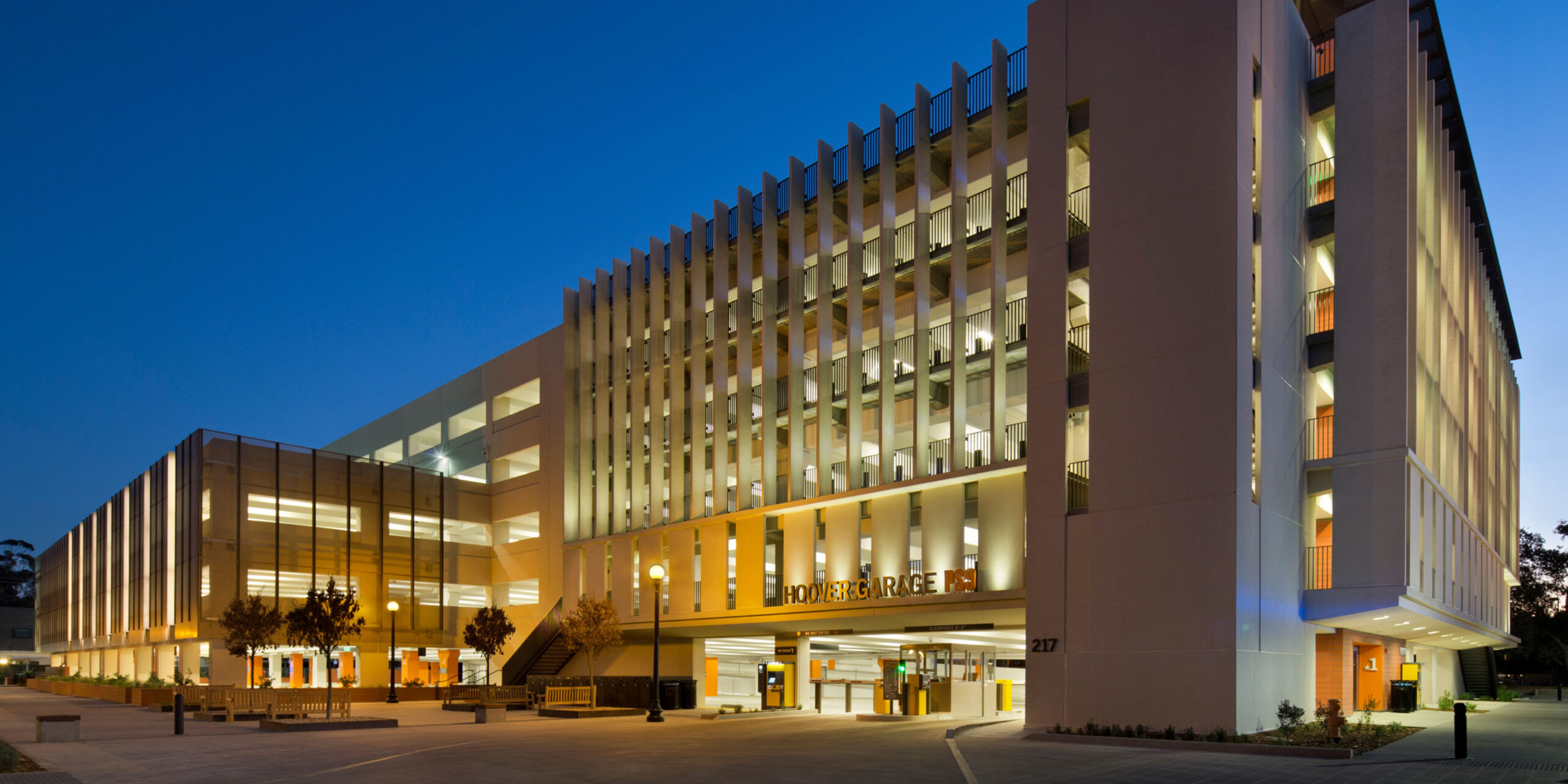
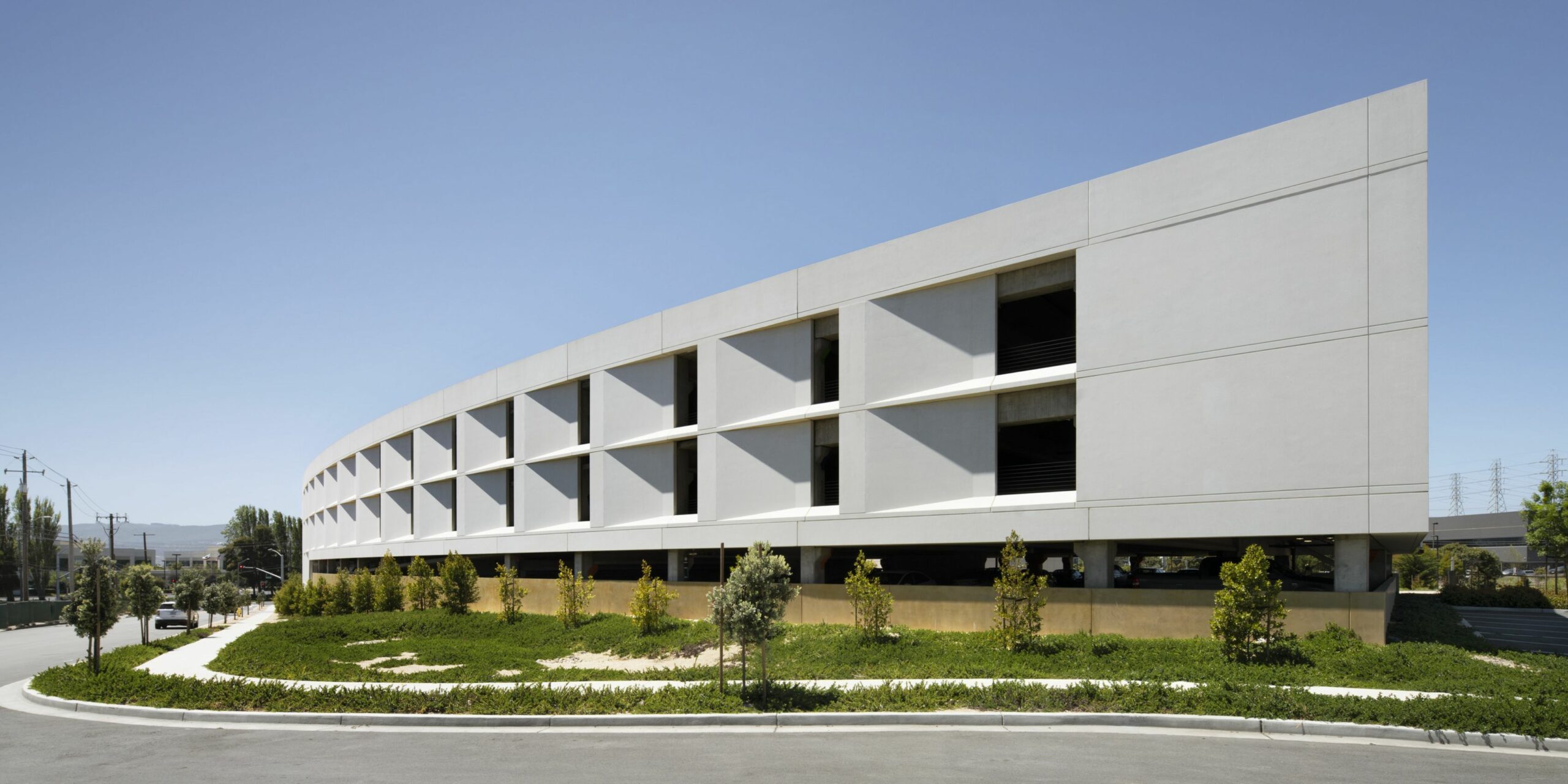
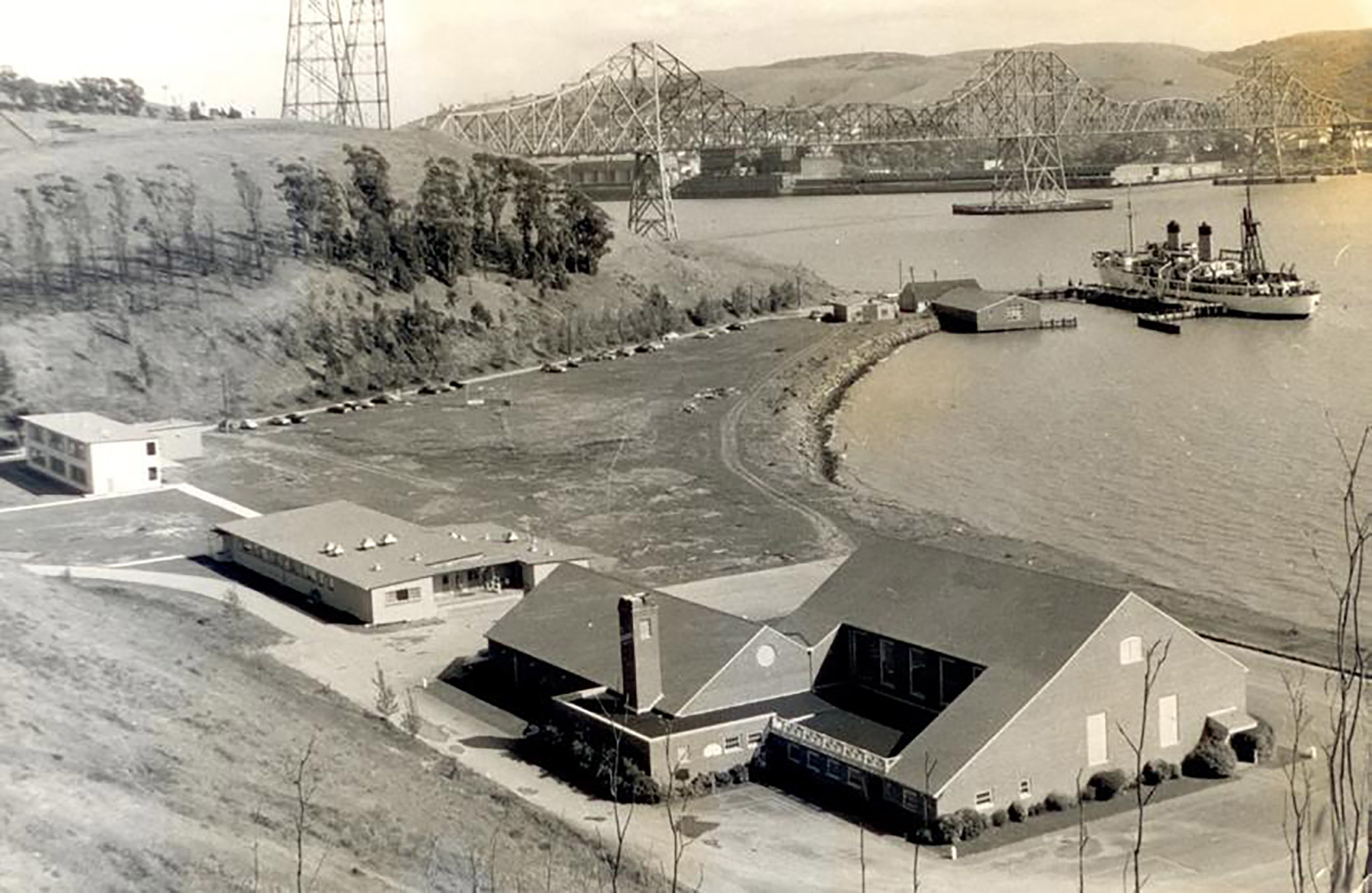
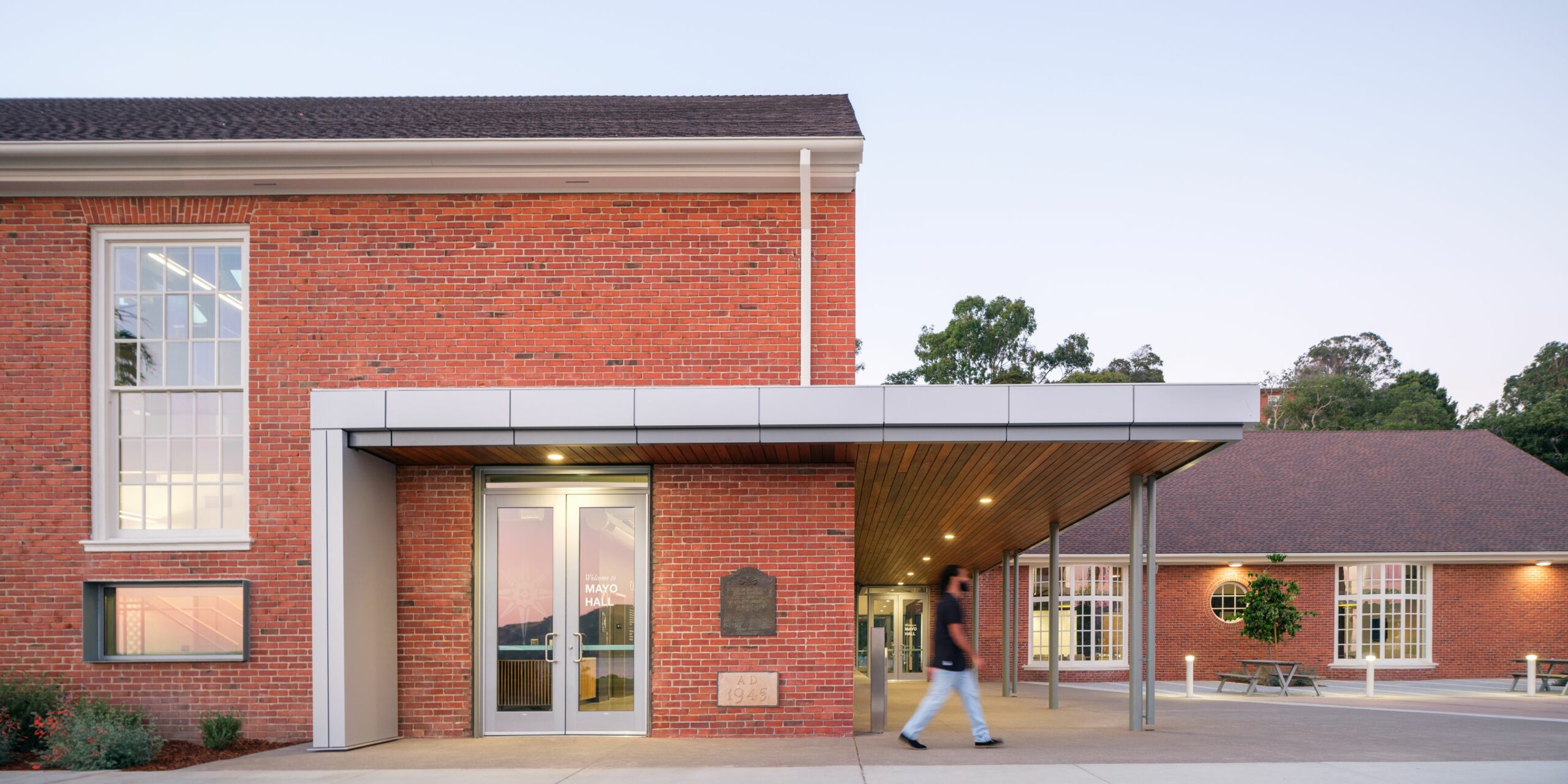
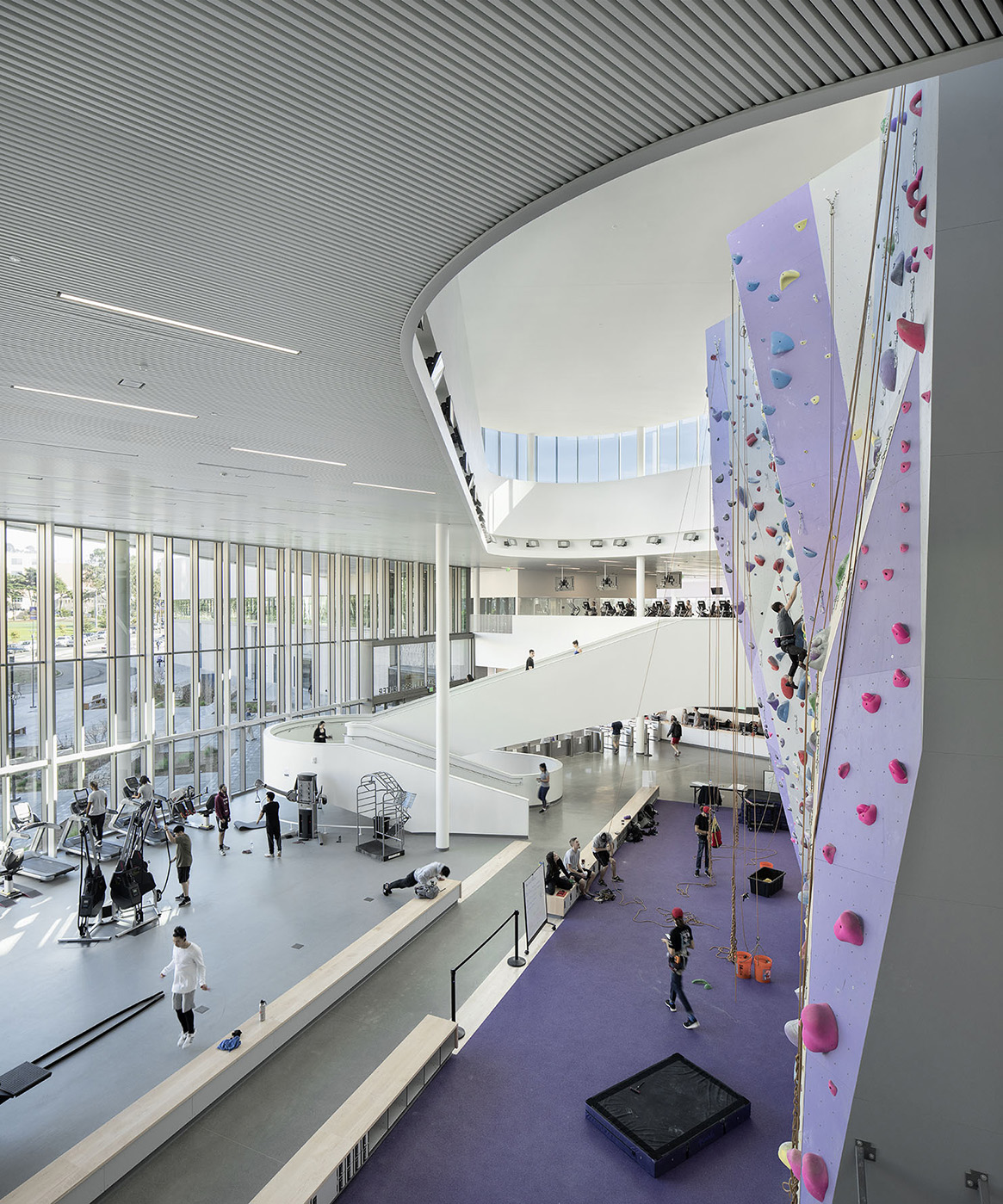
The plan envisions a new gateway at the campus entrance, providing a welcoming arrival experience while incorporating parking and recreational amenities. Visible from Interstate 80, connecting the San Francisco Bay Area to Sacramento, the Recreation and Aquatics Center serves as a striking new public face and iconic gateway to the campus. Drawing inspiration from maritime themes without resorting to mimicry, the design is anchored by a brick base, creating a strong connection to the historic materials that characterize the campus.
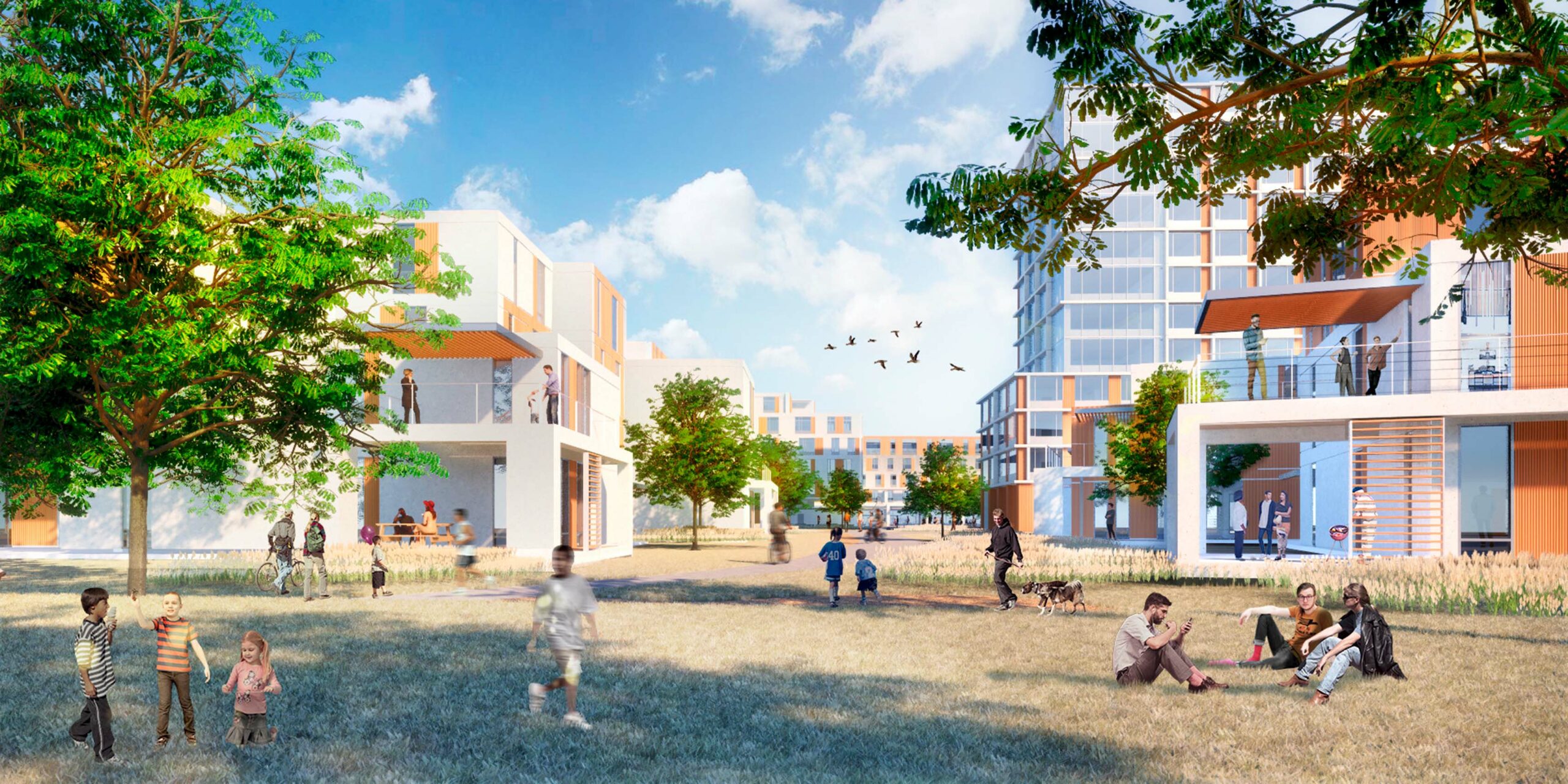
Student Housing Study

“I’m grateful to have been a part of the team that worked on this project. First as a planner during the campus master plan and feasibility study and later as the owner during design. I got to see up close and personal just how effective (and fun!) a tightly integrated team can be.”

Tom Van Pelt
Former Director of Facilities Planning, Design and Construction, Cal State University Maritime Academy

Workplace inspired by the scientific method

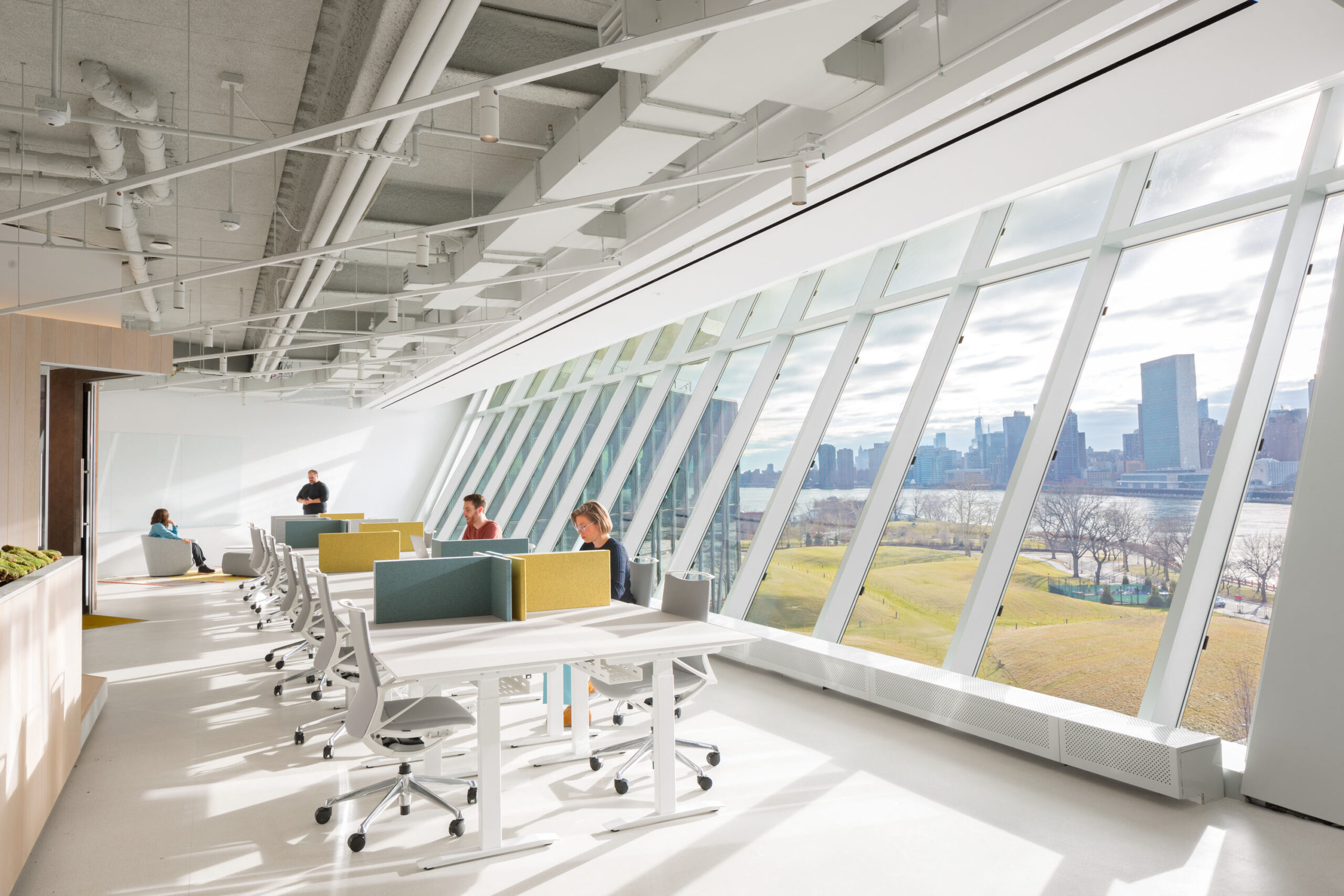
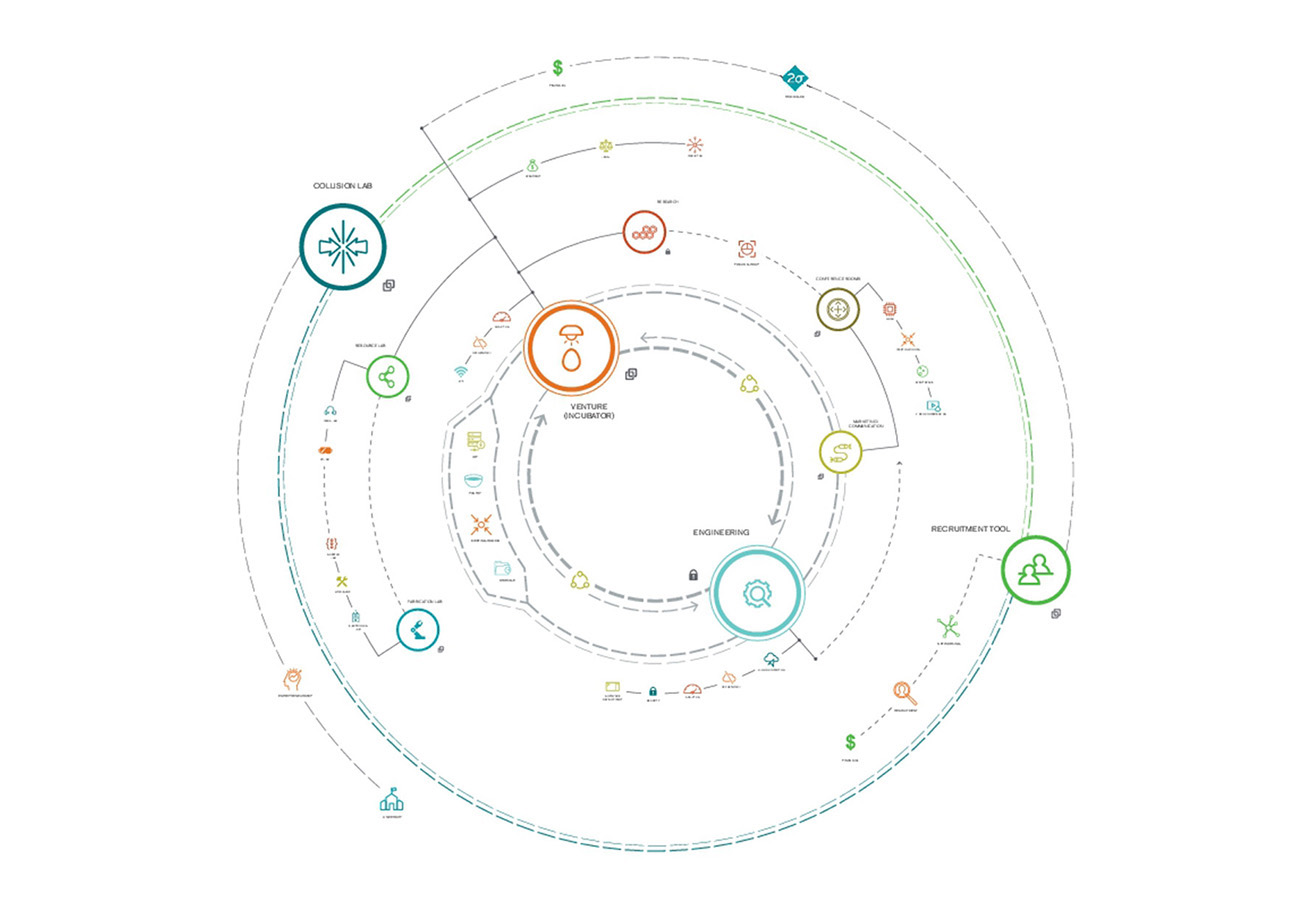
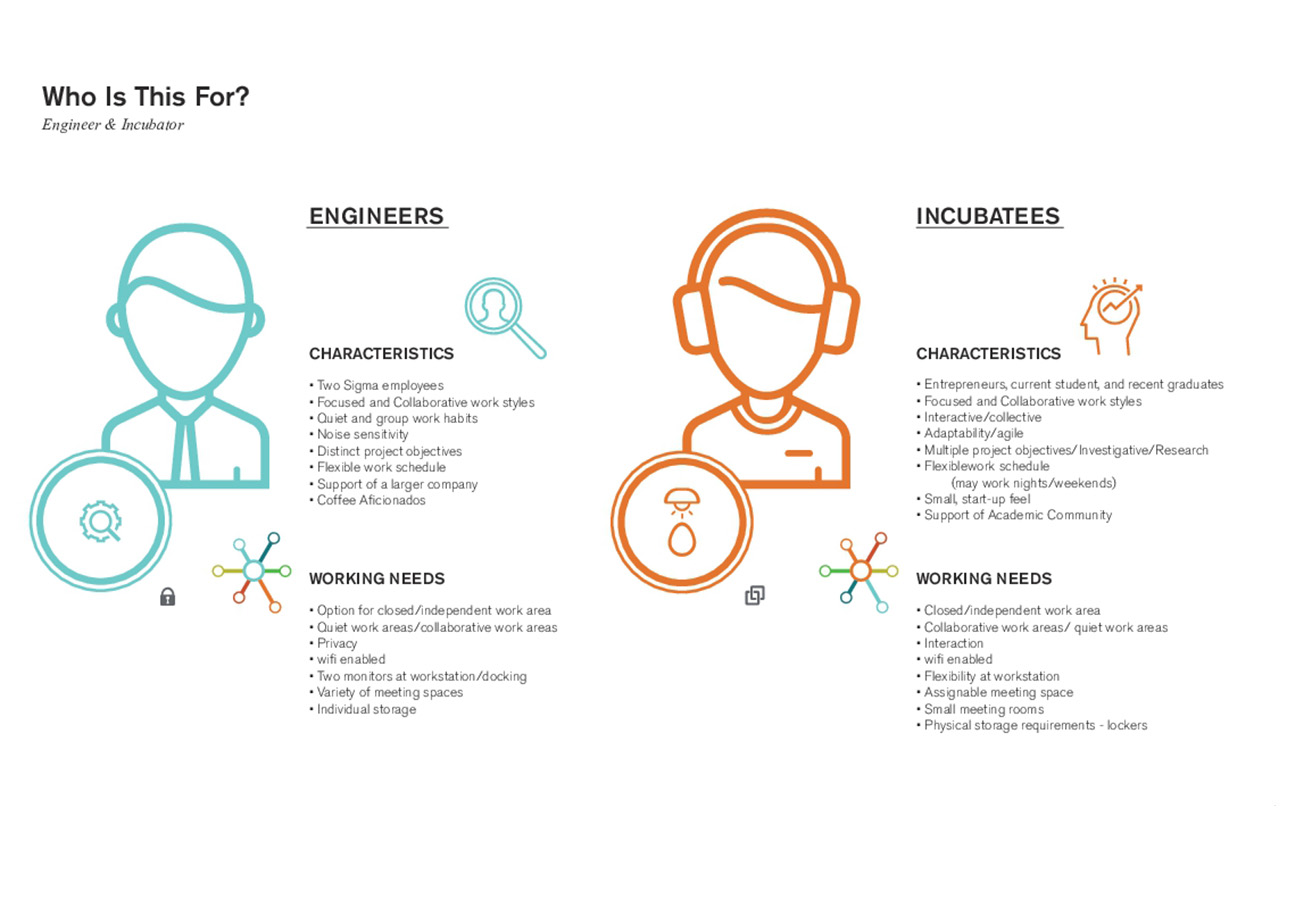
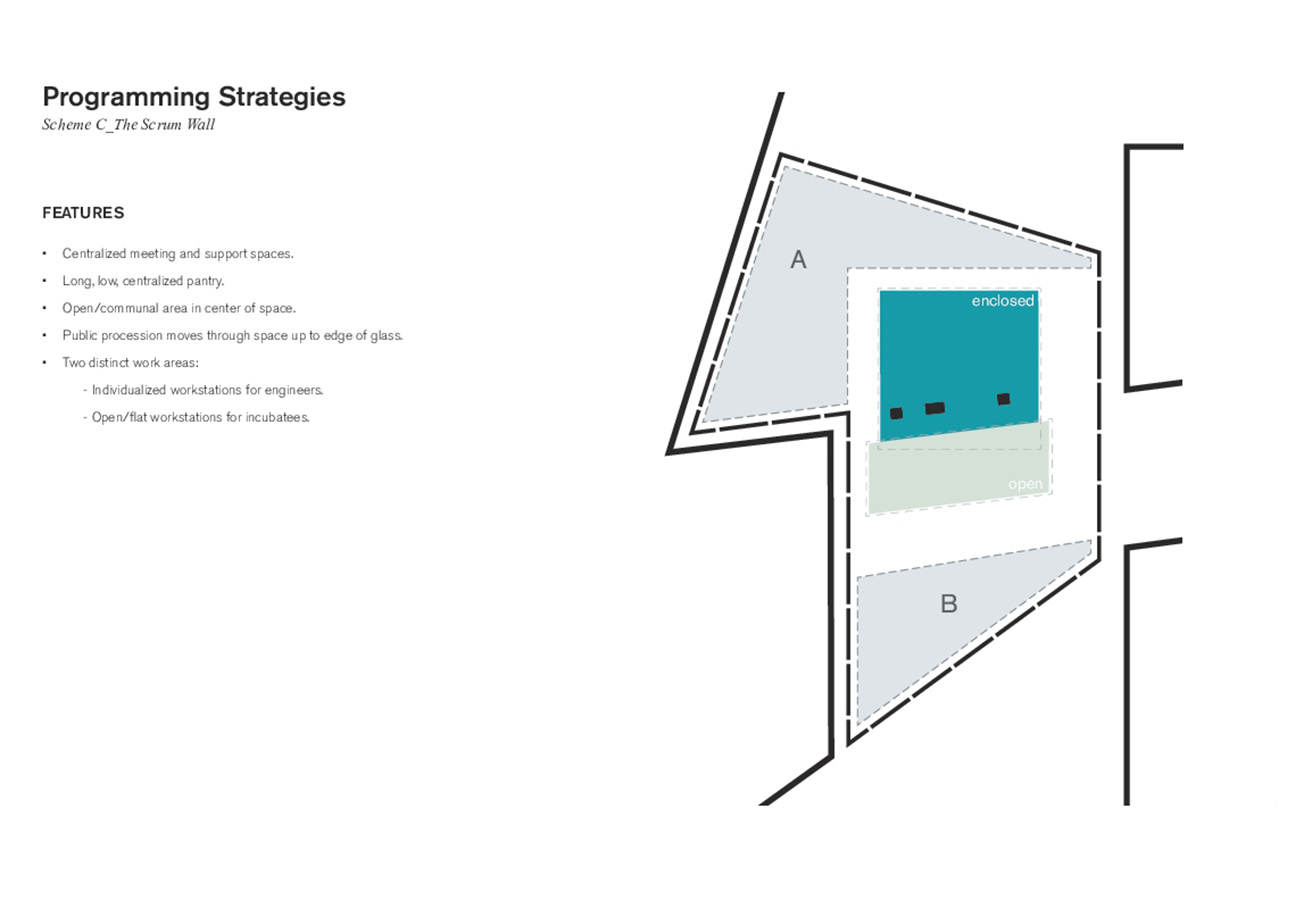
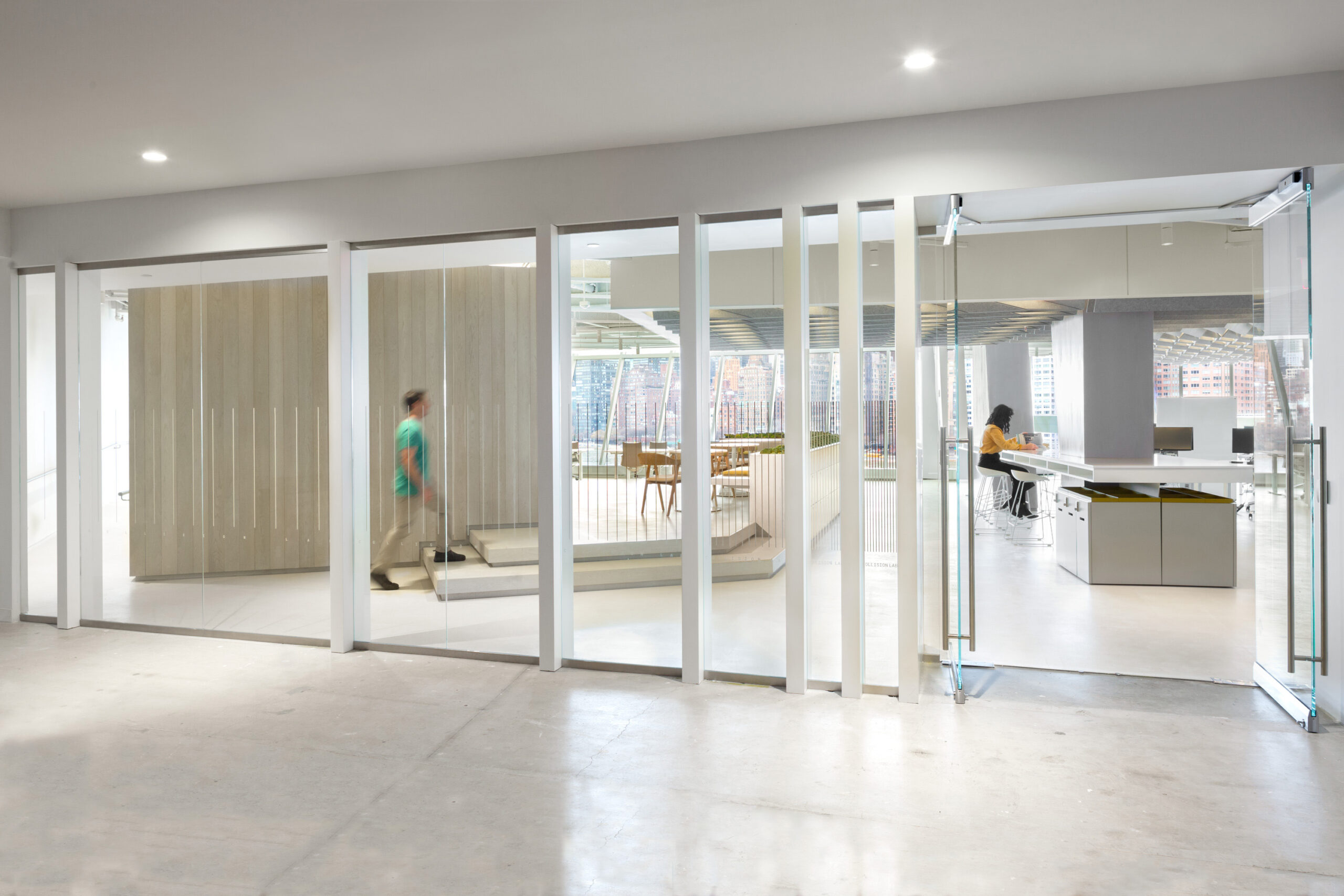
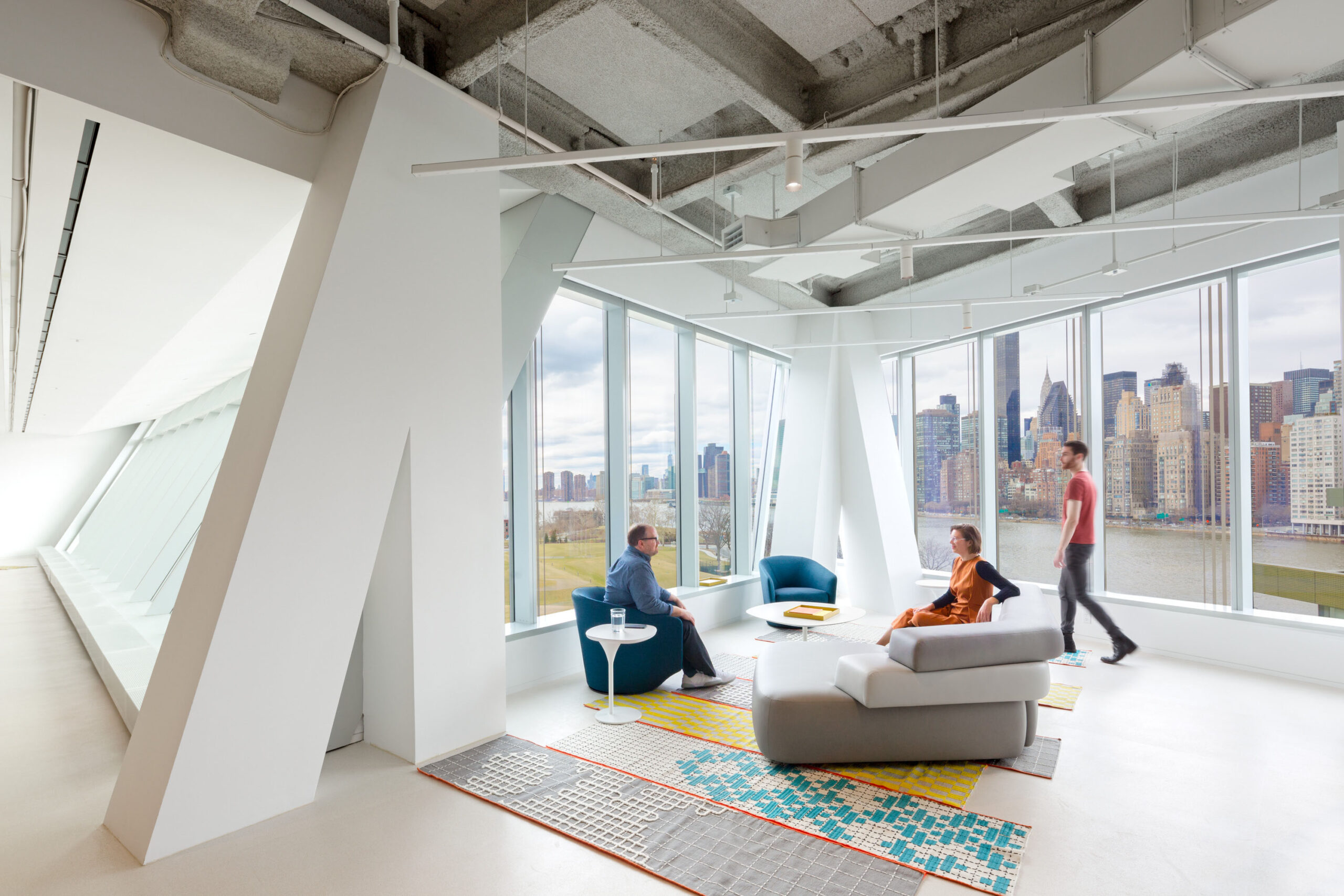
Reflecting Two Sigma’s investment strategy, which is rooted in the scientific method, interior design draws on the principles of experimentation and discovery to spark innovation among engineers, students, and venture-funded entrepreneurs. A flexible, informal lab environment served as the guiding vision—this is the place to roll up your sleeves and experiment together. The simple, open layout, with views of the island, river, and city, feels equal parts maker-space, student union, and modern workplace.

User Driven Design

Previous Slide
Next Slide

Adaptable spaces to interact and invent

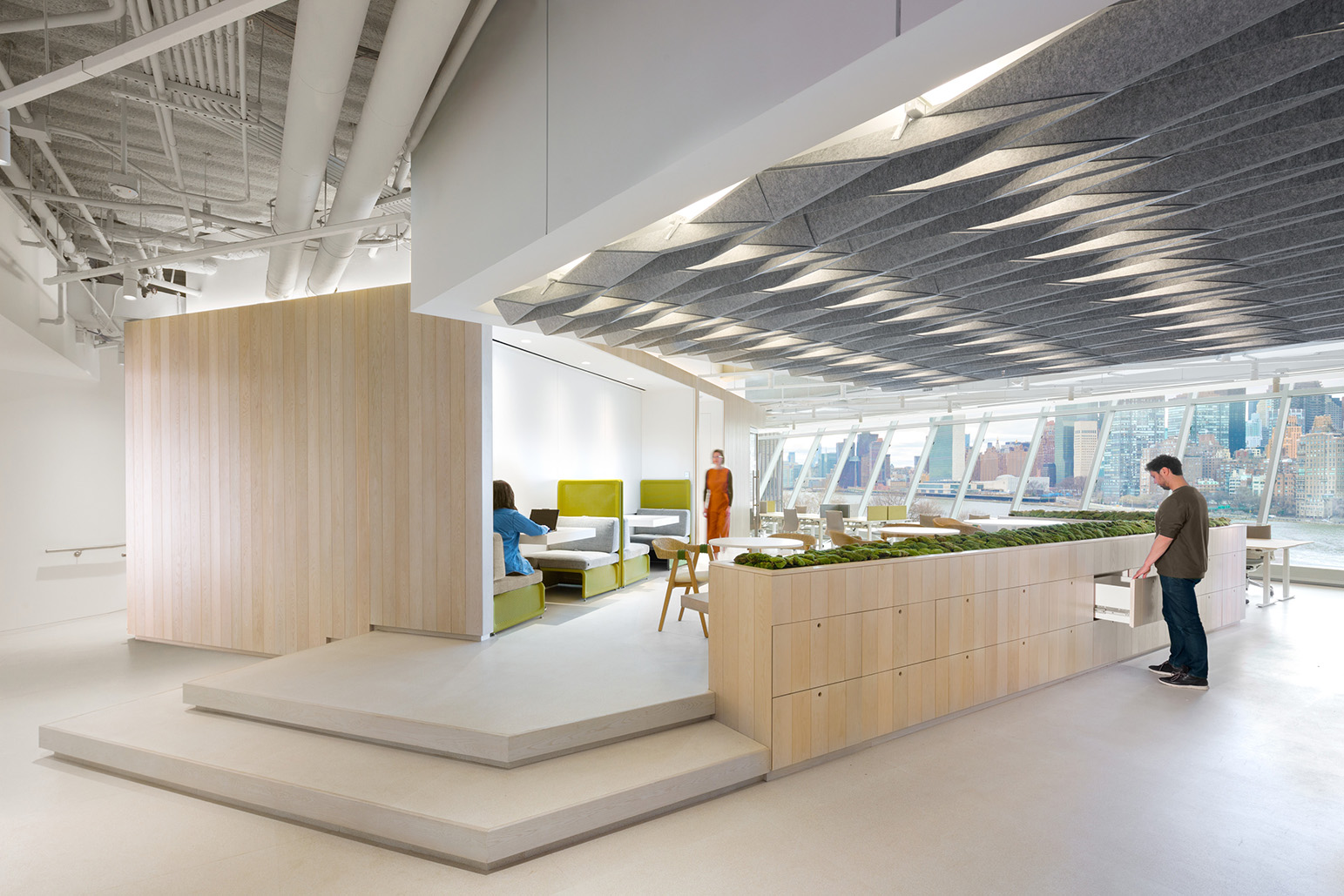
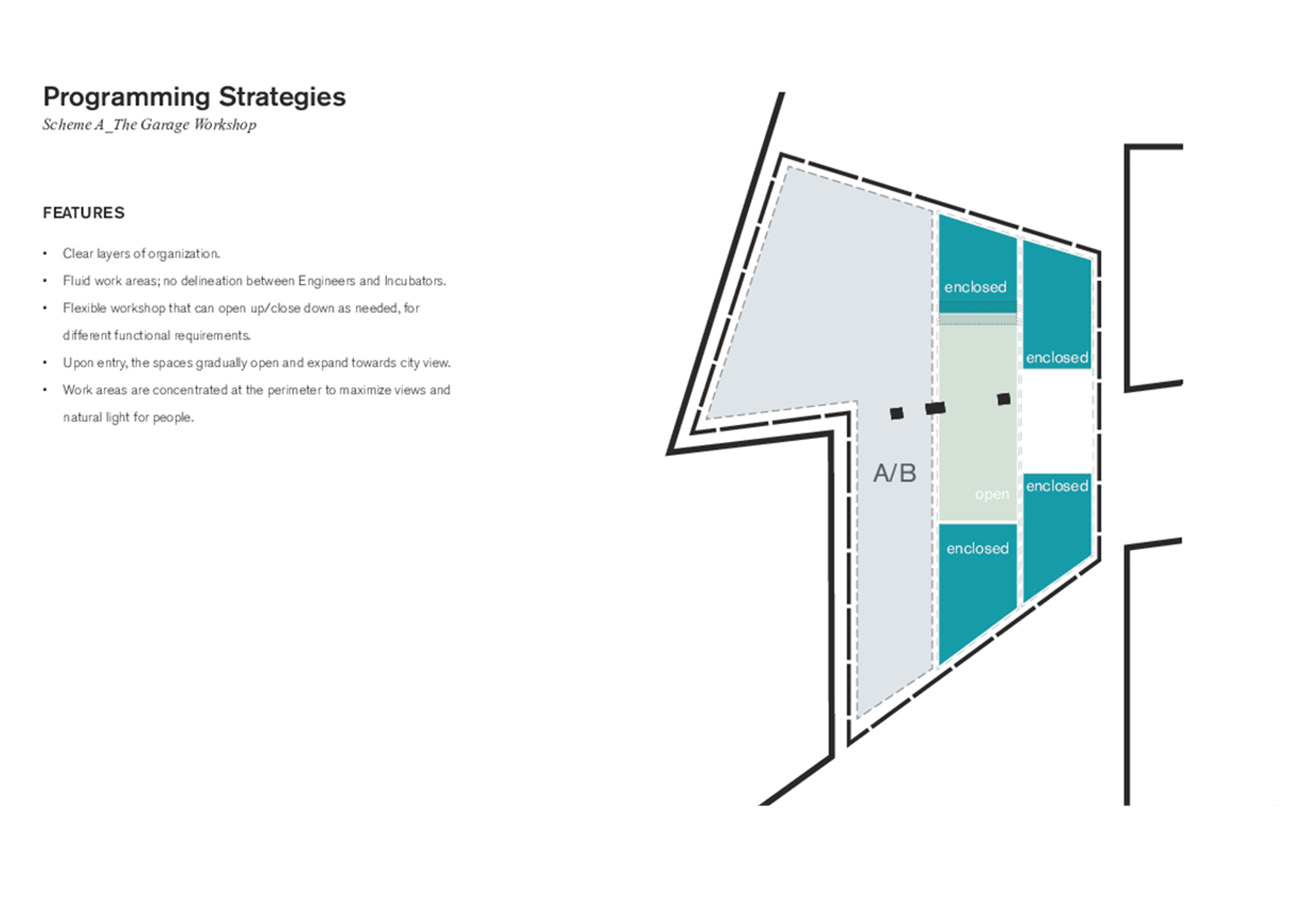
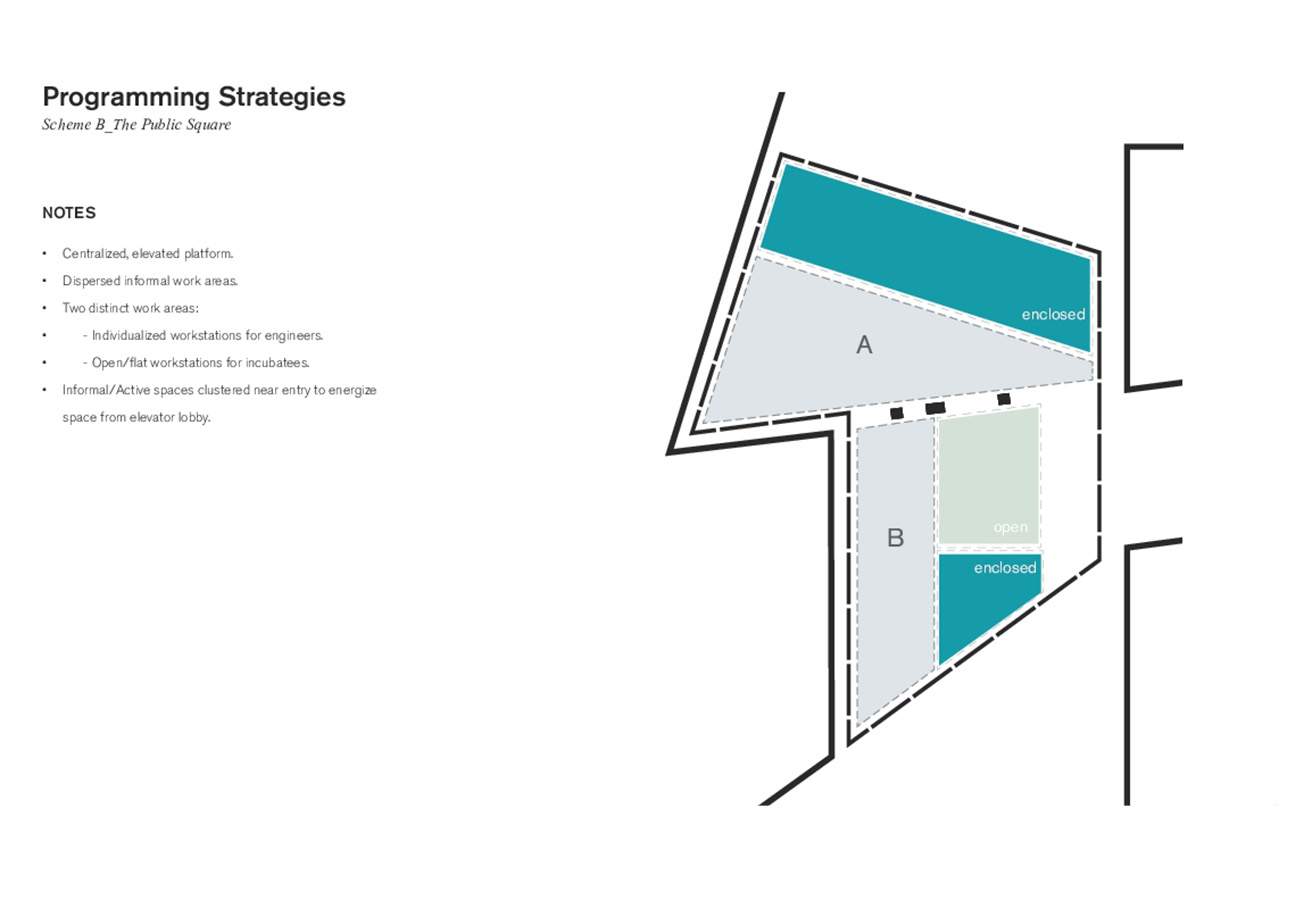
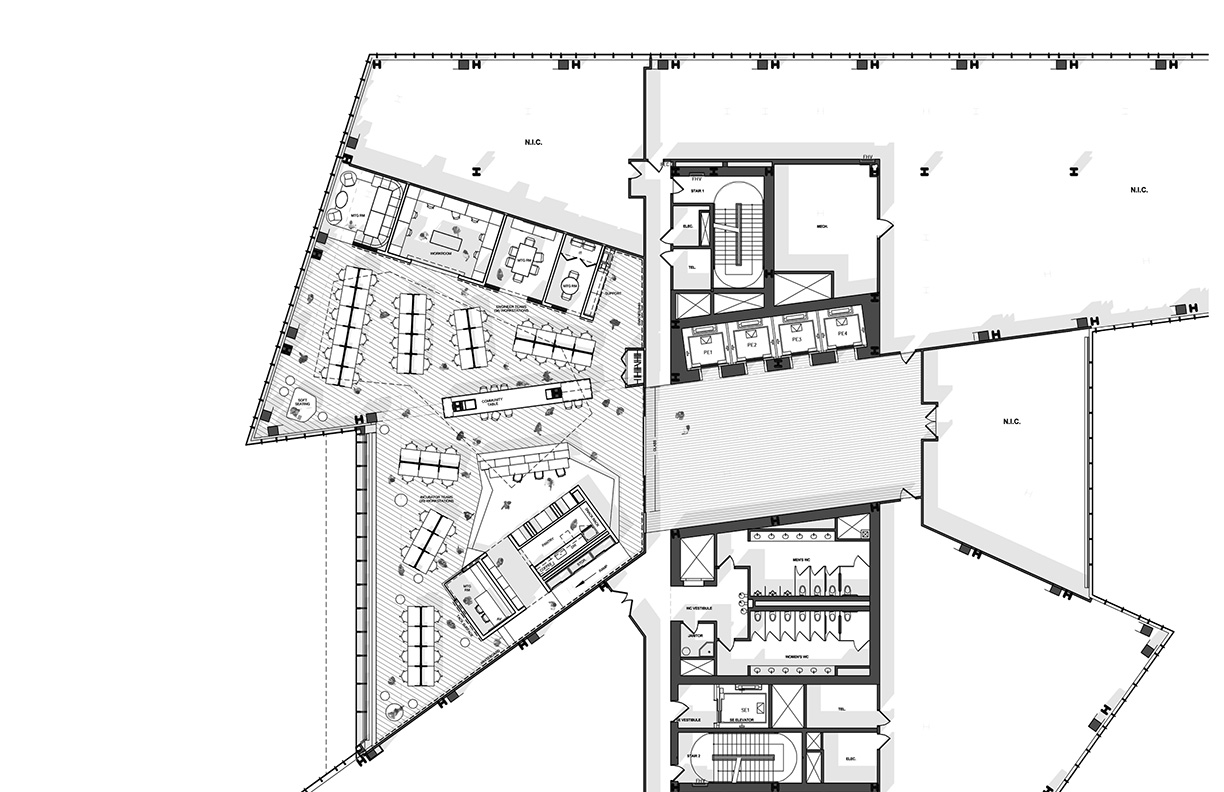
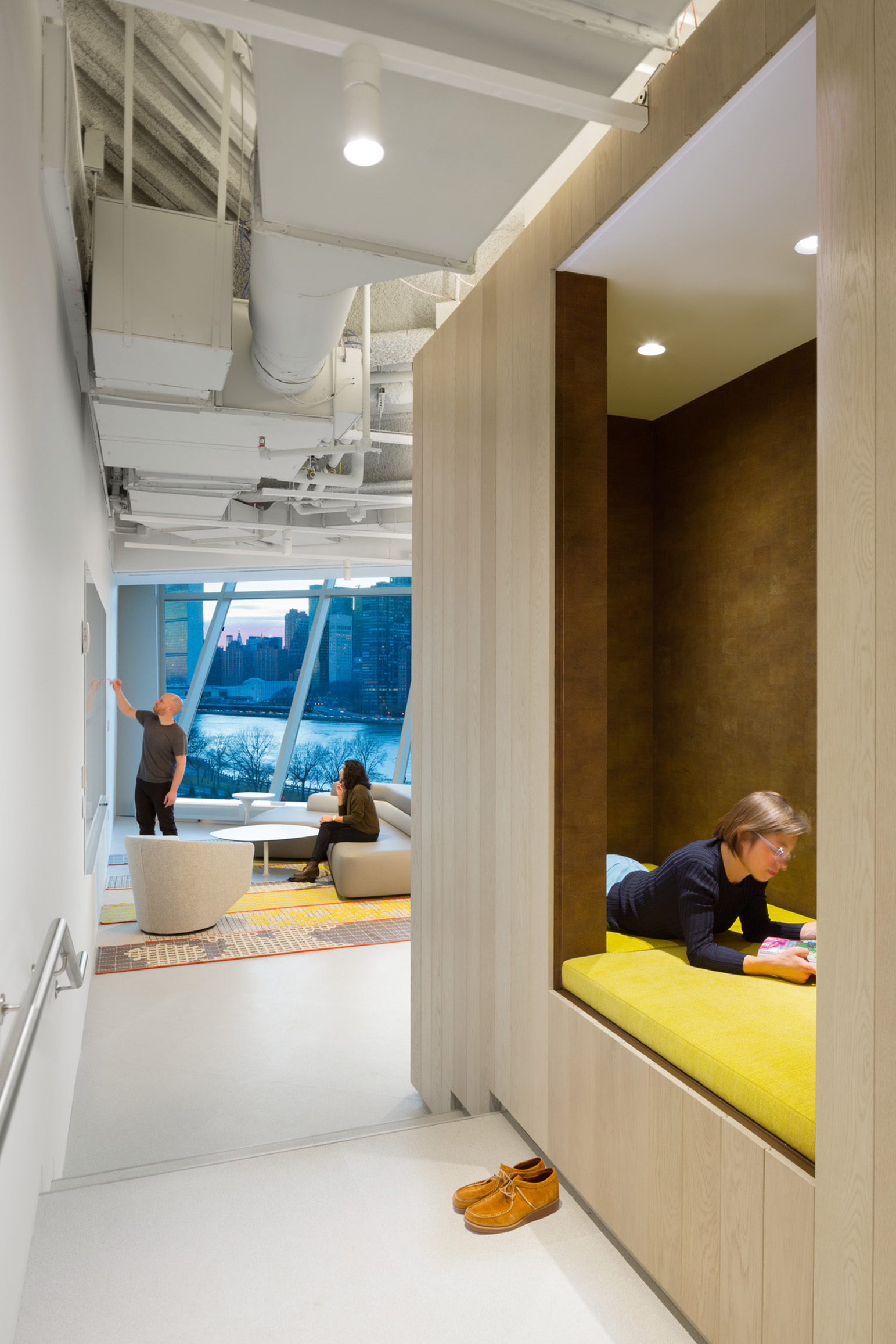
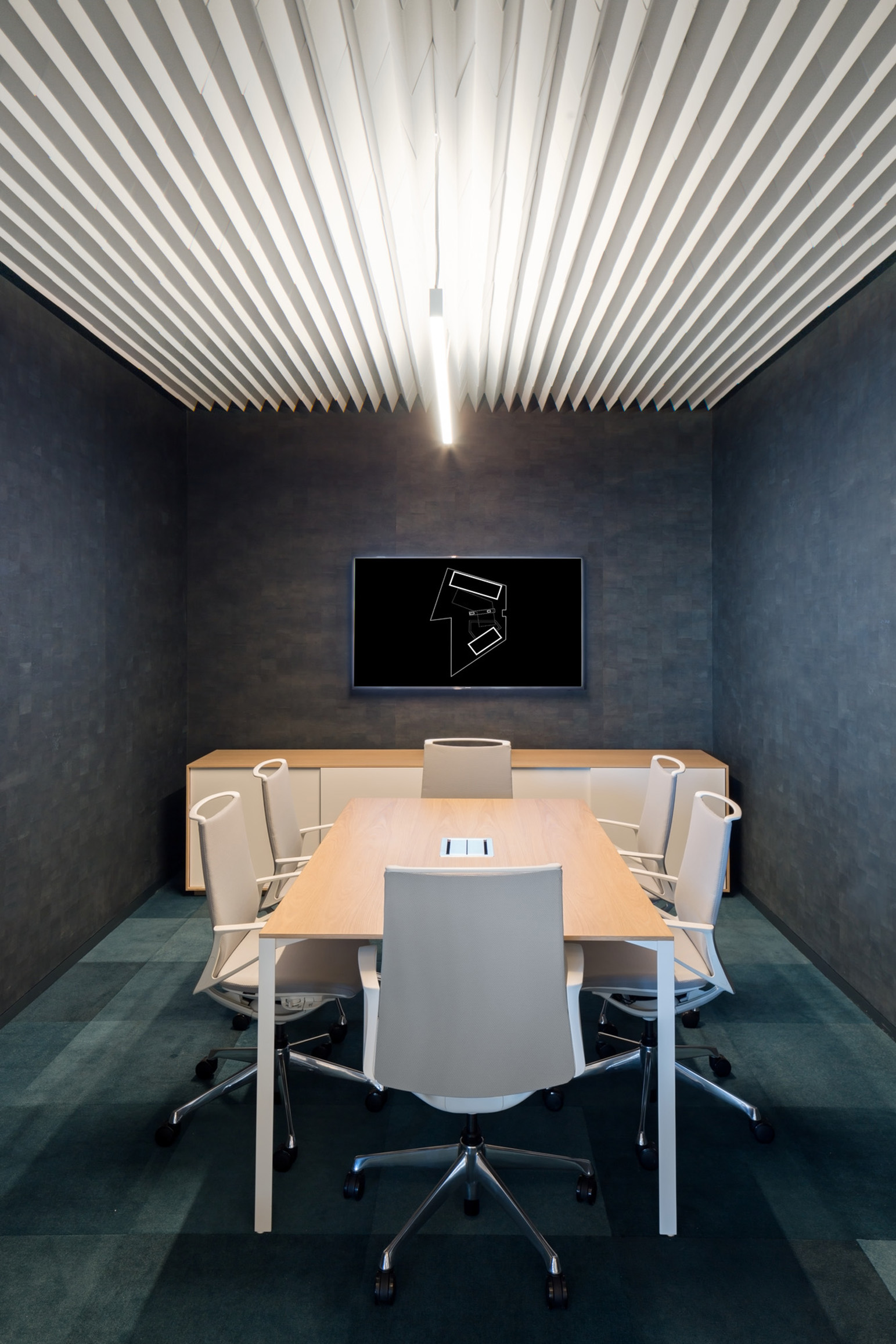
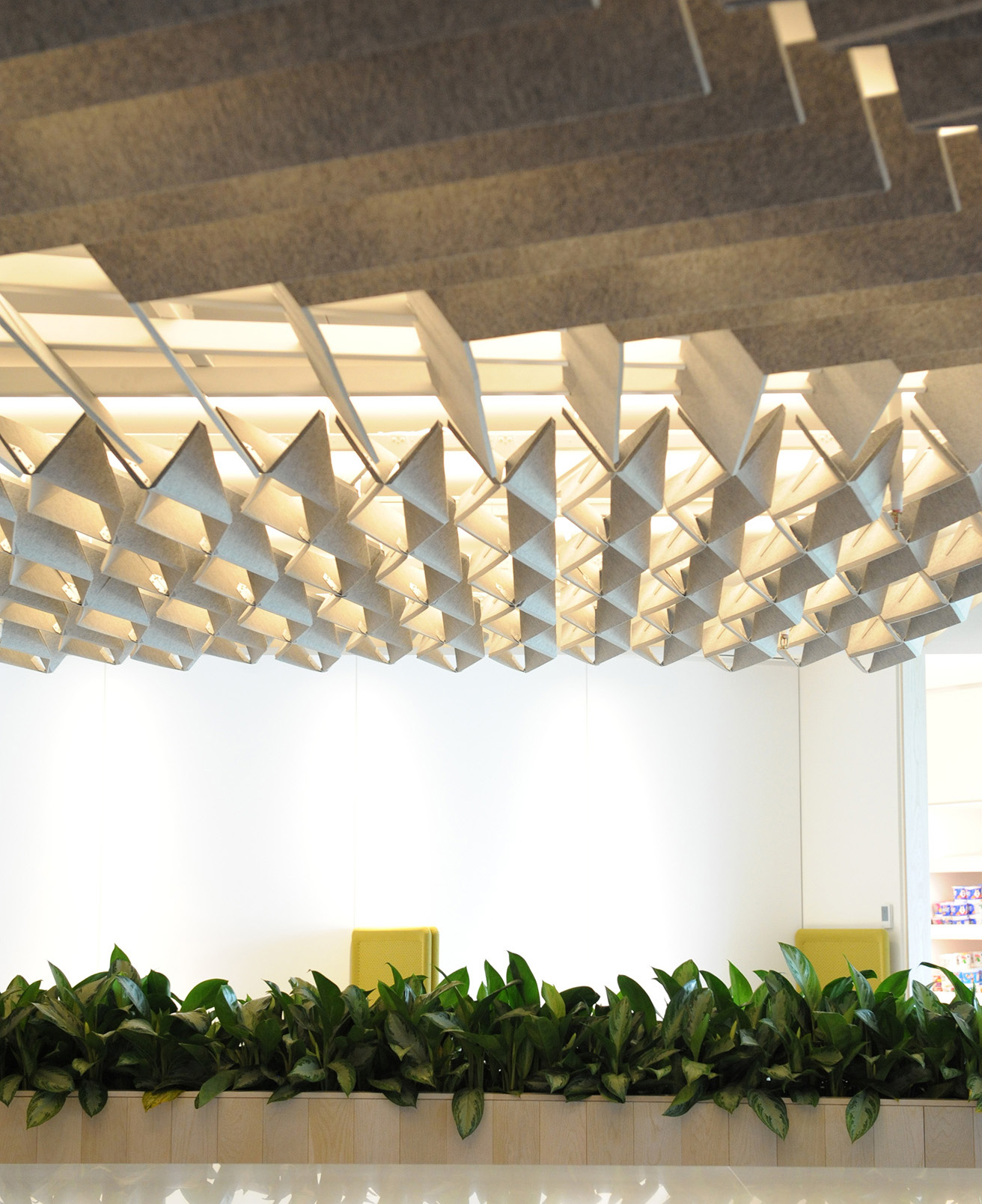
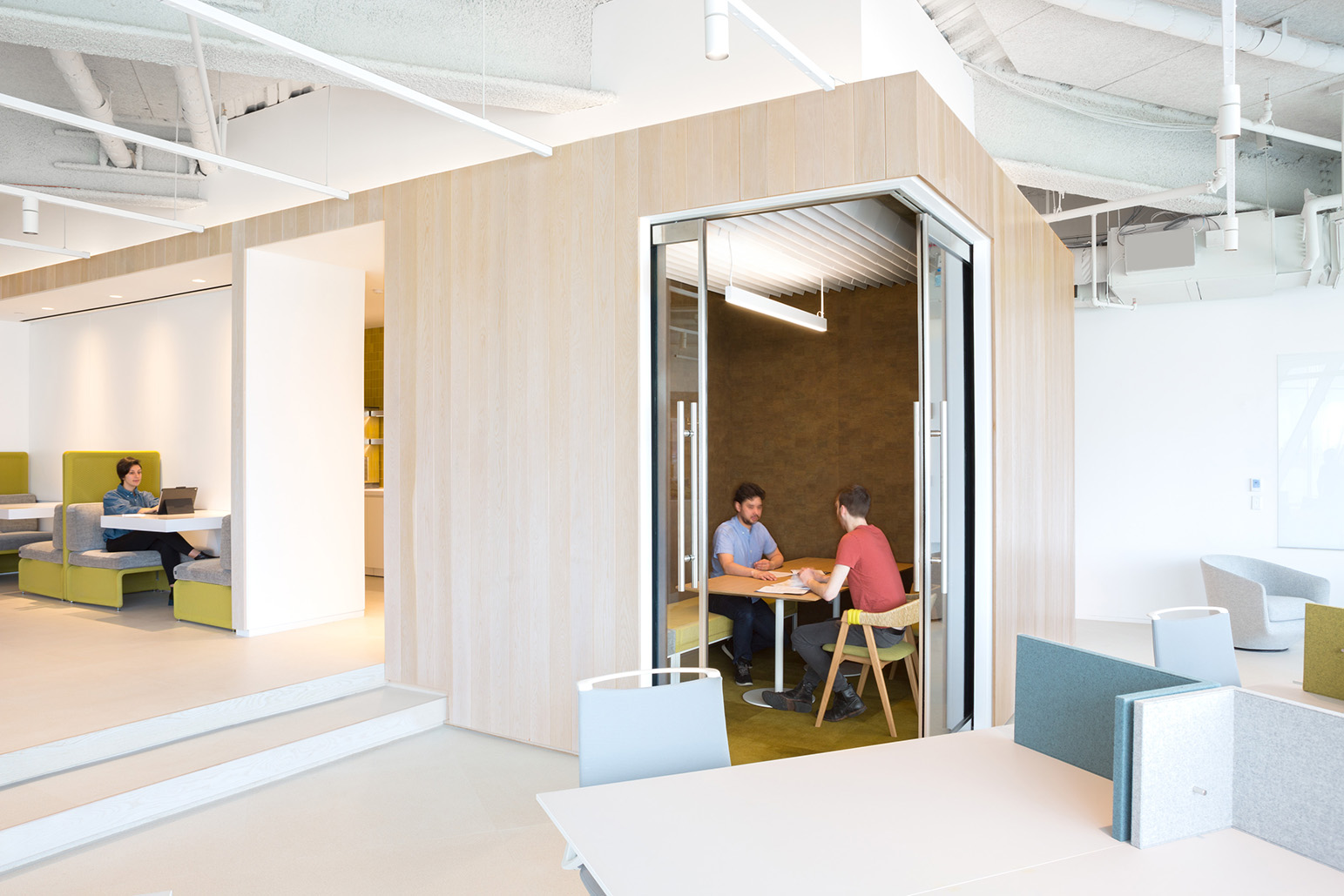
Collision Lab features a variety of adaptable workspaces, with design, furniture, and materials chosen to meet specific needs. Plug-and-play workstations adjust to different team sizes and functions, while movable desks, whiteboards, and seating encourage customized setups. The open layout is anchored by a central community table and a sculptural acoustic canopy, creating distinct zones for both quieter and more dynamic work. Conference rooms, a hidden pantry, and support spaces are organized within two pavilions along the north and south sides. These pavilions offer a range of meeting rooms, from a seven-person conference room to a cozy “crawl” space.

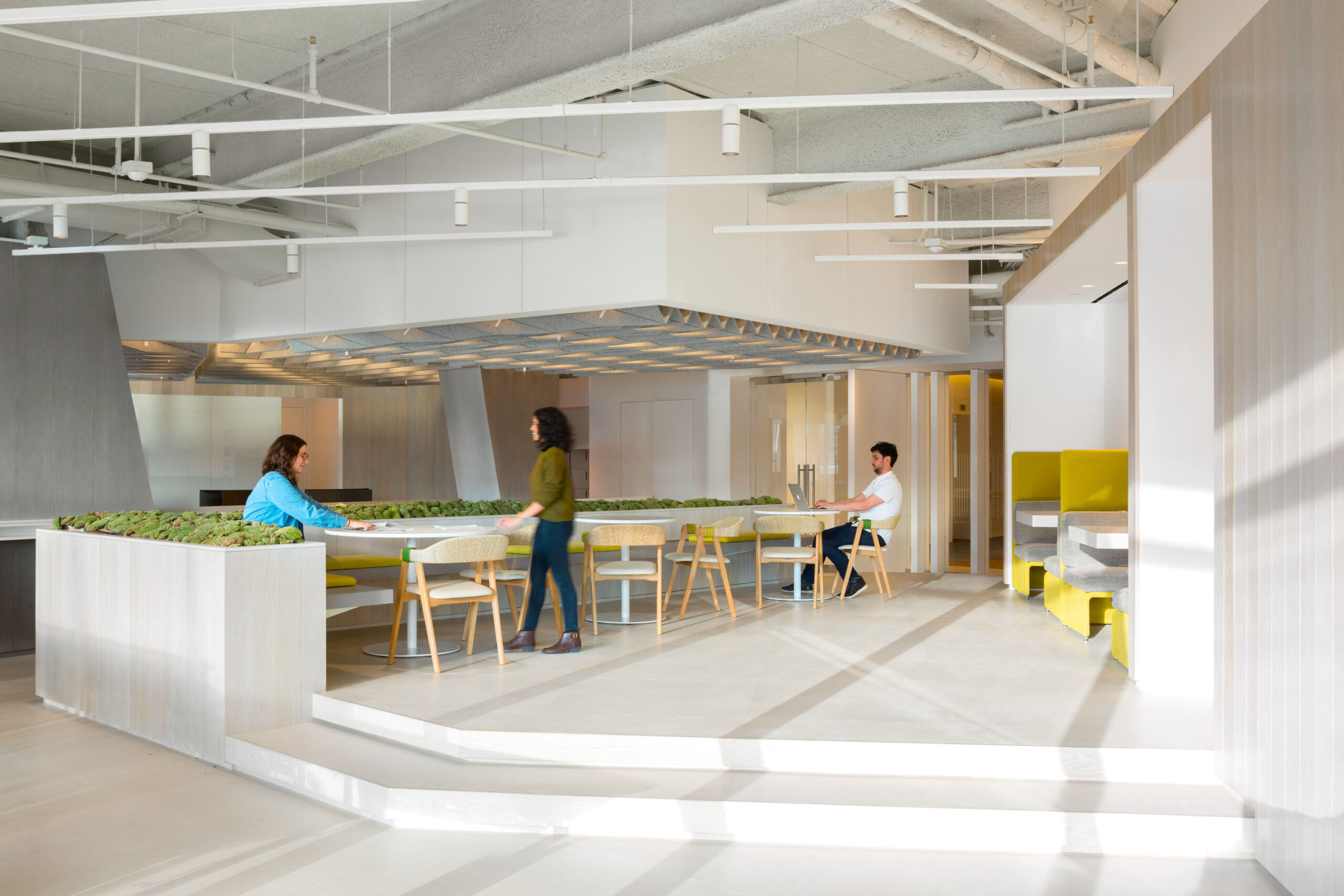
A raised platform extends from the south pavilion, creating a hub for social interaction and doubling as a stage for all-hands meetings and panel discussions. Positioned at the heart of the Lab, the platform reinforces Two Sigma’s core values of teaching and collaboration, making it a central element of the workspace’s design.
Tech ethereal

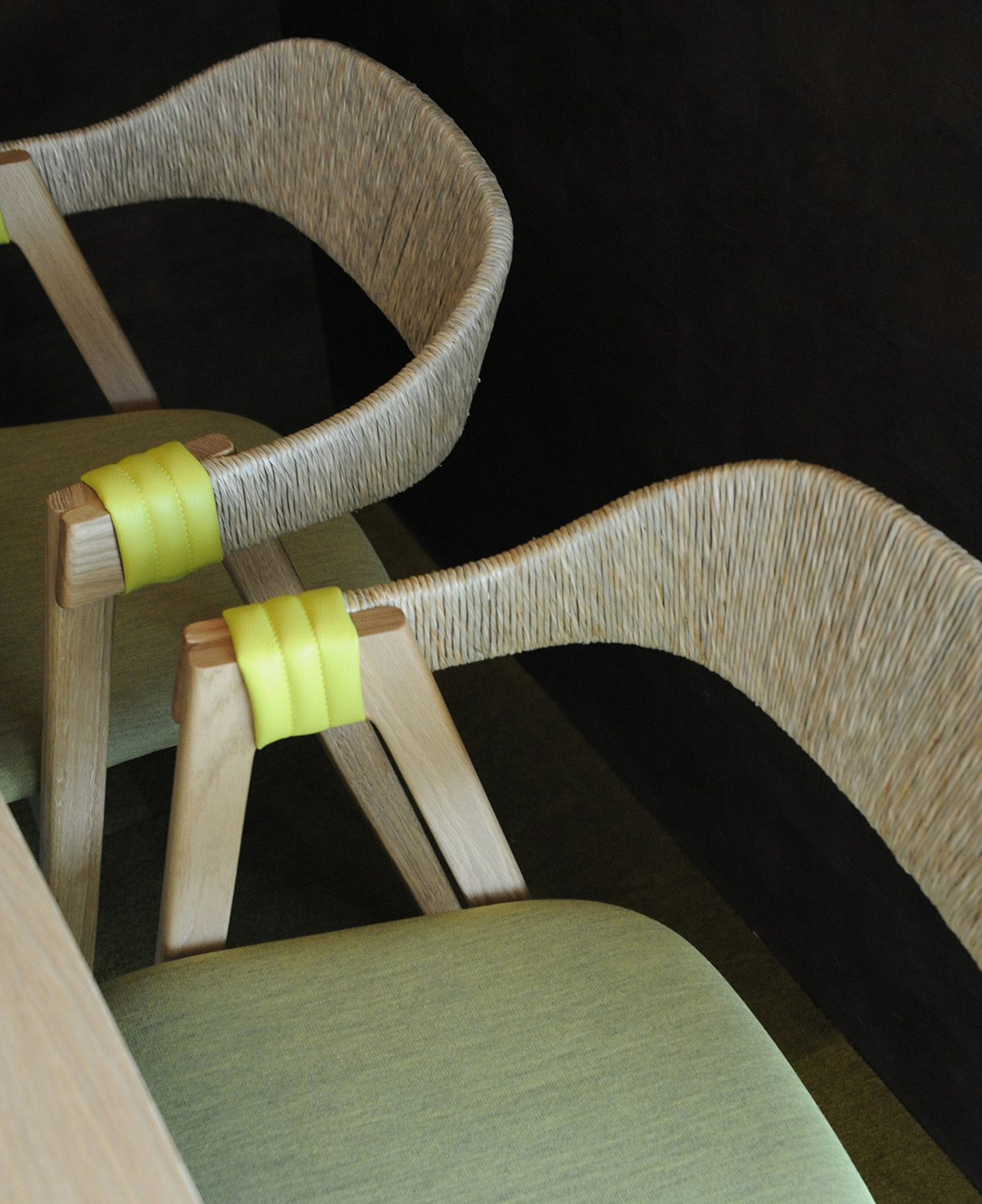
The team introduced the concept of “tech ethereal,” an elevated approach to tech interiors, combining clean lines with a palette of earth tones and vibrant organic colors inspired by Two Sigma’s branding. In the conference rooms, chartreuse upholstery contrasts with mottled cork, while a trough of Irish Moss adds a natural touch to the white oak central platform. Floor-to-ceiling glass windows flood the Collision Lab with daylight, framing a striking tableau of midtown Manhattan and creating a transparent connection to the Cornell Tech campus below.

Details

Previous Slide
Next Slide

Collaboration and autonomy

Collision Lab is designed to support the two core conditions of knowledge work—collaboration and autonomy. It enables people to interact, share, and develop ideas while also giving them control over their individual processes. The space thrives on the way entrepreneurs—Cornell Tech academics, Two Sigma professionals, and venture-funded partners—come together, customize the environment, and innovate.